FameEX Today’s Crypto News Recap | September 24, 2026
2026-09-24 02:42:08

Bitcoin falls below $84K as longs unwind, while Visa flags stablecoin safeguards and the SEC explains case withdrawals; today’s BTC price is near $84.3K in Greed sentiment. BTC is trading near $84.3K, down about 2.3% over the past 24 hours. The price has moved back into a lower range after previously approaching $87K. ETH is currently near $2,680 and has fallen around 2.4% over the same period. Its price movement has weakened alongside BTC. As both major crypto assets pulled back, leverage in the derivatives market also declined noticeably. Total BTC futures open interest fell 5.32% over the past 24 hours to around USD 58.446 billion. This suggests that some market participants have been reducing leveraged positions. Total crypto market liquidations reached USD 504 million during the same period. Long liquidations accounted for about USD 358 million, while short liquidations totaled around USD 146 million. A total of 120,713 traders were liquidated. Despite the price decline, the Crypto Fear and Greed Index remains at 71 in the Greed zone. This is well above last week’s Neutral sentiment in 50. ETH liquidation positions are currently concentrated on both sides of the market. If ETH rises above $2,794, cumulative short liquidation intensity across major CEXs could reach around USD 1.283 billion. If the price falls below $2,536, cumulative long liquidation intensity could reach around USD 469 million. The combination of lower BTC and ETH prices, declining open interest and heavier long liquidations shows that market leverage is being readjusted. The market will continue to watch whether spot demand improves and whether open interest and liquidation activity begin to stabilize.
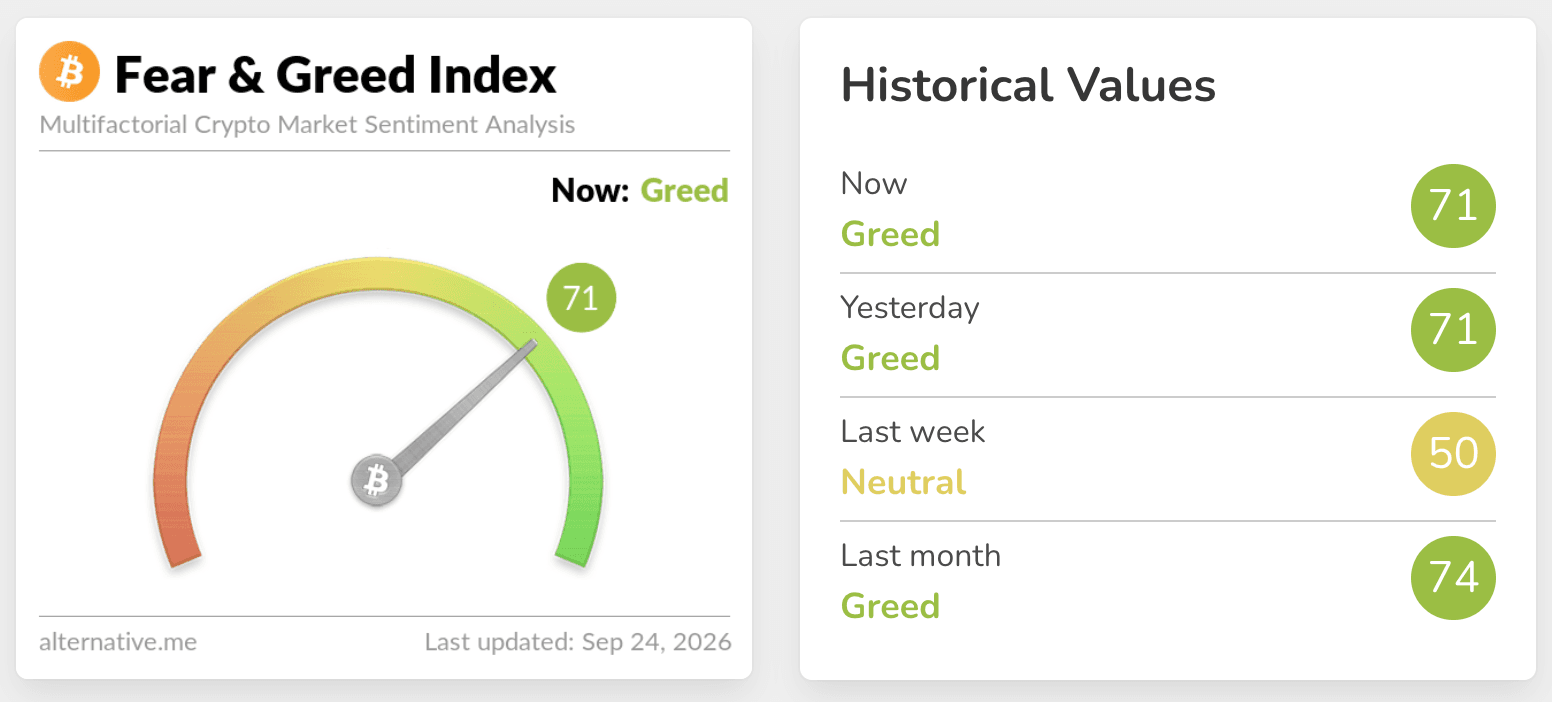
Source: Alternative
Key News Highlights:
Bitcoin Falls Below $84K As Long Liquidations Rise Sharply
Bitcoin failed to extend its gains after another attempt to break above $87K. The price then moved sharply lower and briefly fell below $84K. This correction brought BTC close to its weekly low and triggered a larger wave of leveraged liquidations in the derivatives market. Data showed that Bitcoin liquidations reached about USD 280 million in the four hours before the report was published. Long positions accounted for most of the impact. BTC had been trading within a relatively narrow range at the time. Liquidity had accumulated above and below the spot price, which increased liquidation activity when the market moved lower quickly. Market analyst Rekt Capital identified $82K as the next key price area on his radar. He noted that the level could become important if the lower-timeframe market structure weakens further. Spot demand for Bitcoin also remains relatively limited. Data from on-chain analytics firm CryptoQuant showed that cumulative apparent spot demand over the past 30 days stood at around negative 180,000 BTC. This means supply continued to exceed spot demand during the measured period. The negative reading has narrowed slightly, while futures demand has continued to increase. This indicates that derivatives activity still plays an important role in current market demand. The aggregate cost basis of U.S. spot Bitcoin ETFs is currently just below $86K. BTC’s recent return to this price area has brought ETF cost levels and changes in spot demand back into focus.
Visa Survey Finds Security Protections Remain Key To U.S. Stablecoin Adoption
A new Visa consumer survey found that security protections and the identity of the financial service provider could play an important role in U.S. stablecoin adoption. Morning Consult conducted the survey among 2,192 U.S. adults. The study focused on consumer views of stablecoins and cross-border payments. Under current conditions, 36% of respondents said they would consider using stablecoins. That figure rose to 56% in a hypothetical scenario where stablecoins offered bank-level fraud protection and deposit insurance. Willingness to use stablecoins also increased from 36% to 45% when the service was offered by an existing financial provider. The survey further found that 64% of respondents placed more importance on who provides a payment method than on the technology behind it. Many U.S. consumers are still unfamiliar with stablecoins. Some respondents had not previously encountered the concept, while others showed limited understanding of how stablecoins differ from other crypto assets. Visa noted that the bank-level protections described in the survey were hypothetical and were used only to measure changes in adoption intention. Stablecoins are not currently covered by Federal Deposit Insurance Corporation deposit insurance. Meanwhile, the U.S. market is preparing for the implementation of the GENIUS Act. Financial regulators still need to finalize several key rules. European regulators are also reviewing bank deposit ratios and liquidity requirements for stablecoin reserves. Consumer protection, reserve management and the role of traditional financial institutions have therefore become shared areas of regulatory focus in both the U.S. and Europe.
SEC Commissioner Explains Regulatory Rationale Behind Dropping Earlier Crypto Cases
U.S. Securities and Exchange Commission Commissioner Mark Uyeda said the agency dropped several civil cases involving crypto companies in early 2025 as it prepared for a major shift in regulatory policy. Uyeda served as acting SEC chair from January to April 2025 before Paul Atkins was confirmed as chair. He said the agency was preparing to take a different approach to certain digital asset rules and legal interpretations. Continuing to defend earlier regulatory positions in court could have created inconsistencies if the Commission later issued policies that took a substantially different position. Uyeda said having SEC litigators continue to defend legal interpretations that the agency planned to change could damage its credibility in court. He also said there were significant questions over whether some crypto-related cases had sufficient support under existing law. The SEC later dropped several previously filed cases involving crypto companies. This marked a clear shift from the earlier approach that relied more heavily on enforcement actions to address digital asset issues. Uyeda’s comments were focused on the agency’s regulatory reasoning behind those decisions. They did not change existing court rulings or the law itself. The SEC is now continuing its work on rules covering digital assets and tokenized securities. Market participants are watching how the new regulatory direction will be implemented through the formal rulemaking process.
Disclaimer: The information provided in this section is for informational purposes only and doesn't represent any investment advice or FameEX's official view.