FameEX Today’s Crypto News Recap | July 10, 2026
2026-07-10 06:43:16
Phantom and Hyperliquid urge CFTC onchain reform, Zcash confirms July 28 for Ironwood upgrade, and Russia expands crypto transaction monitoring, as BTC and ETH face ETF outflows. BTC traded around $63K today. It briefly fell to $62,202 before recovering toward the upper end of the range near $64,092, showing that some buying interest remained after the short-term pullback. Even so, the broader market direction has yet to show a clear shift to the upside. ETH is currently trading near $1,624.95. It remains some distance from the liquidation pressure area above, while key levels below have become a major focus for the market. The Crypto Fear and Greed Index stands at 23 today, which remains in the Extreme Fear zone. This is slightly higher than yesterday’s 22 and last week’s 21, but it is still far from neutral. Compared with last month’s reading of 9, market fear has eased to some extent. However, capital behavior remains cautious. On the ETF side, spot Bitcoin ETFs recorded total net outflows of USD 95.3017 million yesterday, showing weaker daily fund momentum. Spot Ethereum ETFs also posted total net outflows of USD 52.0804 million, ending the previous five-day streak of net inflows. In macro markets, Hong Kong and South Korean equities were strong at midday. The Hang Seng Index rose 1.86%, the Hang Seng Tech Index gained 2.69%, and South Korea’s KOSPI climbed more than 5%. This suggests that some Asian risk assets are showing signs of recovery. However, the crypto market itself is still being shaped by ETF outflows, leveraged liquidation structures, and extreme fear sentiment. Short-term trading behavior remains largely defensive and wait-and-see.
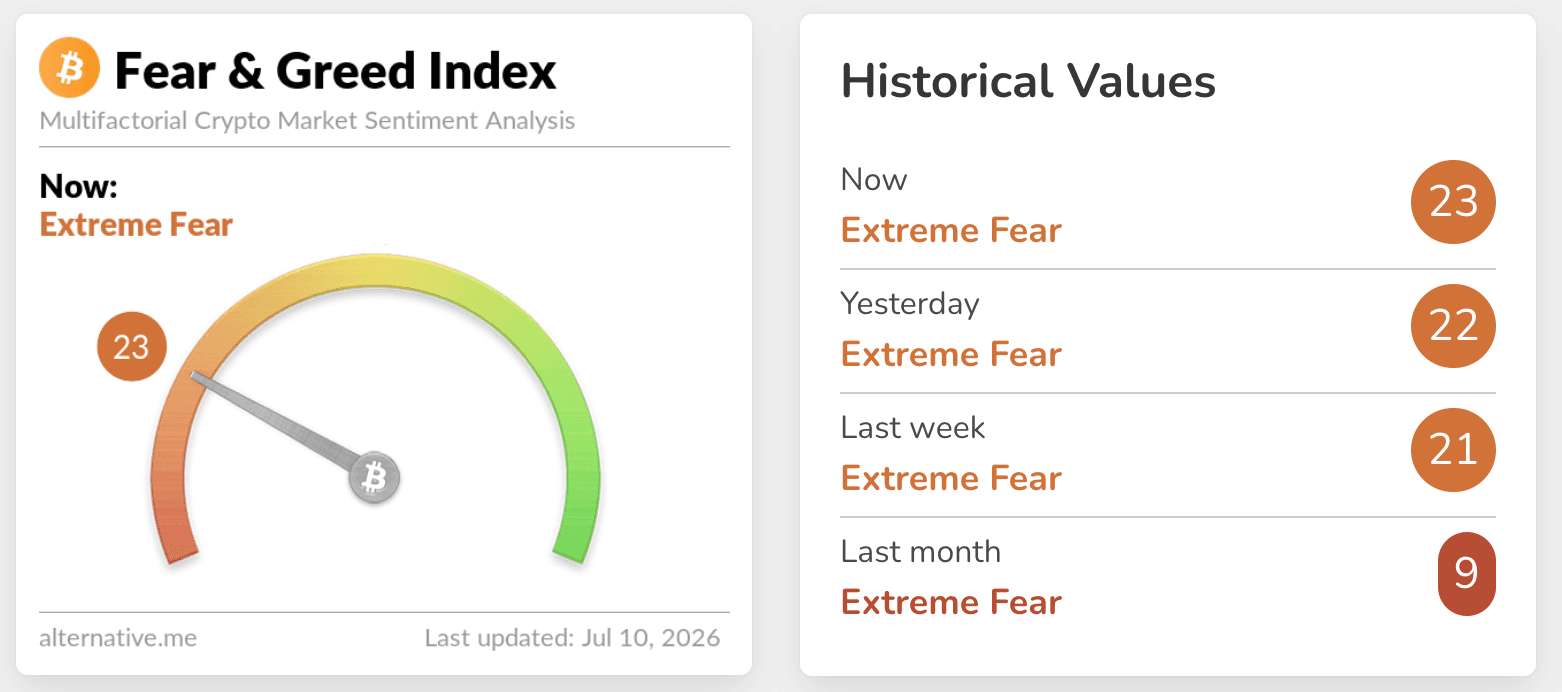
Source: Alternative
Key News Highlights:
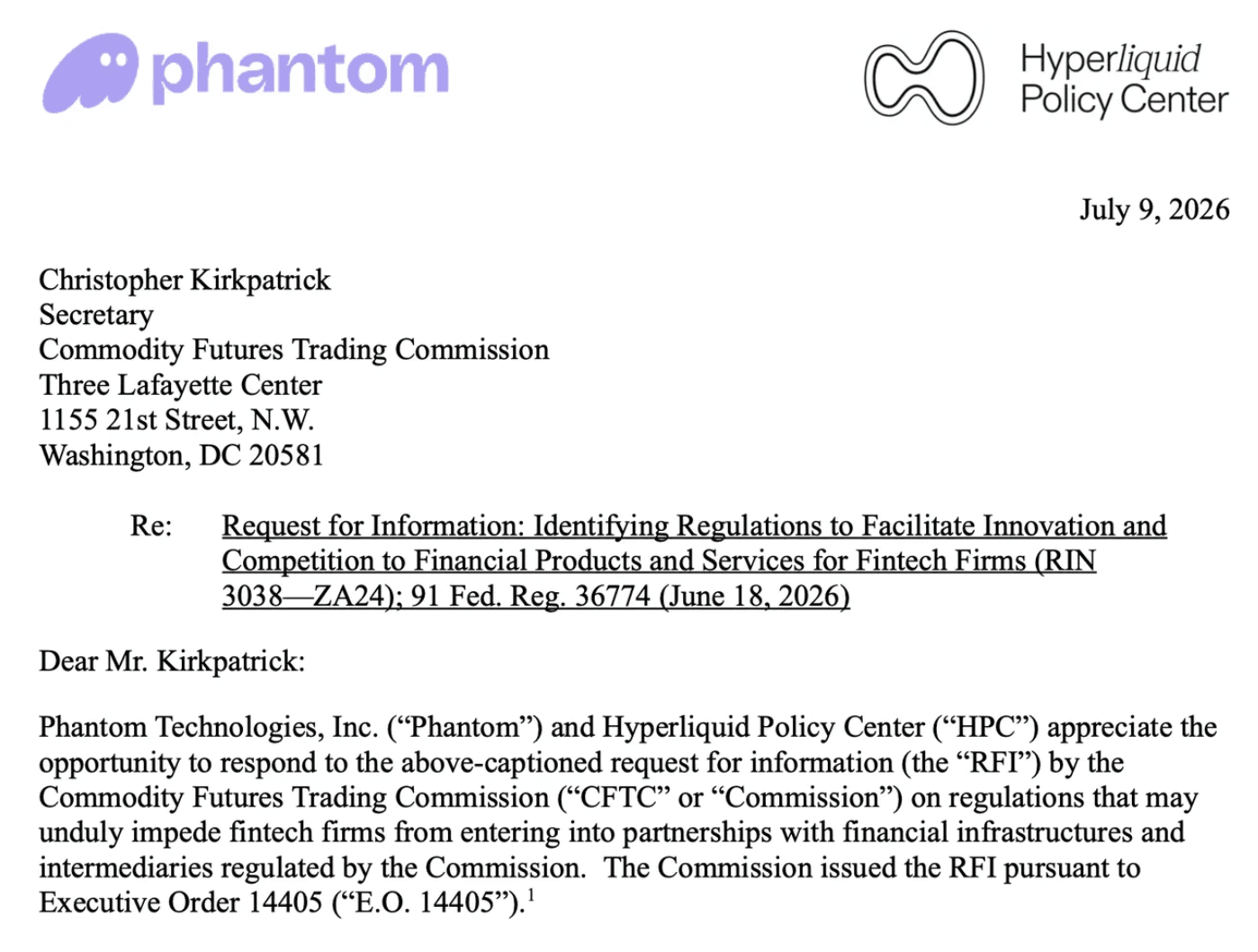
Phantom and Hyperliquid Submit Regulatory Recommendations to the CFTC
Crypto wallet developer Phantom and the Hyperliquid Policy Center recently submitted a joint comment letter to the U.S. Commodity Futures Trading Commission, formally urging the regulator to exclude blockchain protocol developers and non-custodial wallet providers from strict rules designed for traditional financial intermediaries. The groups noted that the current CFTC regulatory framework mainly targets custodial financial intermediaries that hold customer assets and process trades. By contrast, blockchain protocols allow users to trade directly without an intermediary controlling funds or executing orders. This creates a clear technical difference between the two models. They recommended that regulators confirm blockchain developers should not be required to register simply for creating on-chain software. They also called for clearer permission for regulated derivatives firms to use on-chain infrastructure for trade execution, settlement, and risk management functions. The proposal aims to prevent U.S. users from being cut off from on-chain derivatives markets. It also seeks to avoid pushing innovation overseas. The move has triggered broader discussion over whether the regulatory framework for on-chain derivatives should be modernized as the technology evolves.
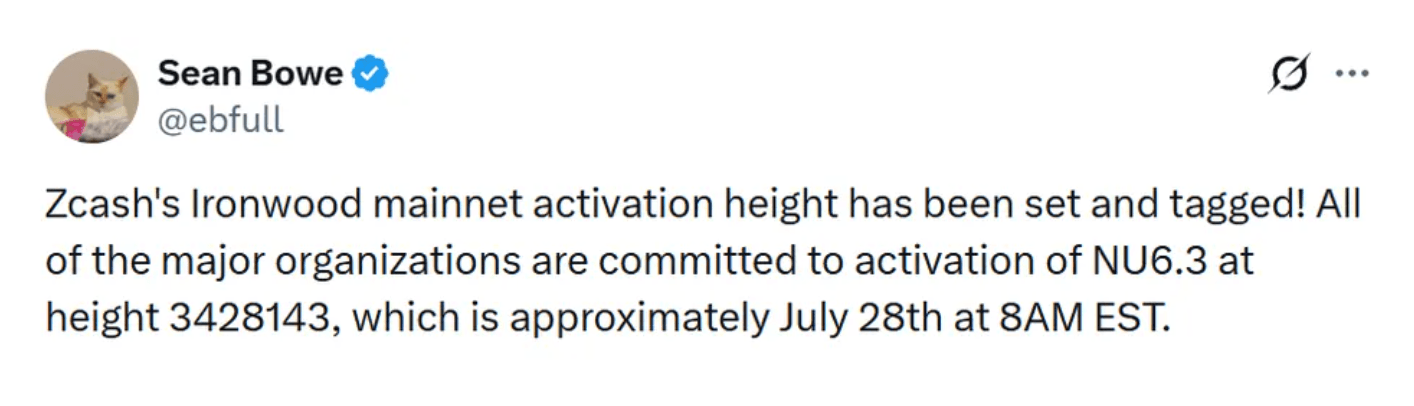
Zcash Plans Ironwood Network Upgrade for July 28
The Zcash core development team has confirmed the activation height for the Ironwood network upgrade. The upgrade is expected to go live on the mainnet at 8:00 p.m. Beijing time on July 28. This upgrade is designed to address a vulnerability previously discovered in the Orchard privacy pool. The issue raised market concerns over whether counterfeit ZEC may have been created. Ironwood will introduce two key measures. First, it will close the older Orchard pool that carries security risks and deploy a new privacy pool. Second, all funds moving out of the old pool must pass through an accounting checkpoint. This process may provide important evidence to determine whether counterfeit tokens entered the market before the vulnerability was fixed. Some ecosystem participants had previously suggested delaying the upgrade to give exchanges and wallet service providers more time to prepare. However, major organizations have now reached consensus and will proceed with the NU6.3 upgrade as planned. The market continues to monitor the long-term impact of the upgrade on ZEC value stability and protocol security.
Russia’s Financial Monitoring Authority May Gain Power to Track All Crypto Transactions, with Reports Required Above 60,000 Rubles
Russian regulators are moving to expand oversight of crypto transactions. They also plan to grant financial intelligence authorities broader powers to collect data related to crypto asset transactions. Under the relevant draft proposal, crypto transactions above 60,000 rubles may need to submit more complete transaction information. Crypto transactions related to foreign trade may face stricter information collection requirements if the amount exceeds 1 million rubles. The draft requires digital asset depositories and certain foreign financial institutions to provide authorities with transaction data related to Russian residents’ crypto assets. For transactions above the threshold, the information may include the payer’s and recipient’s name or company name, wallet address, physical address, date of birth, and tax identification details. For transactions below 60,000 rubles, the draft proposes a simpler data requirement. This would mainly include the name or company name and address identifier. The proposal also covers limits on banks’ digital asset operations and requires banks to hold capital against related risks. Russia’s central bank may also receive broader powers to restrict or prohibit certain activities. These measures may apply when crypto transactions are considered a potential threat to investor interests or financial stability. The arrangement still depends on the legislative progress of the main crypto asset regulatory bill, and the final effective date remains subject to further review.
Bitcoin Miners’ AI Pivot Draws Scrutiny Over Insider Stock Sales
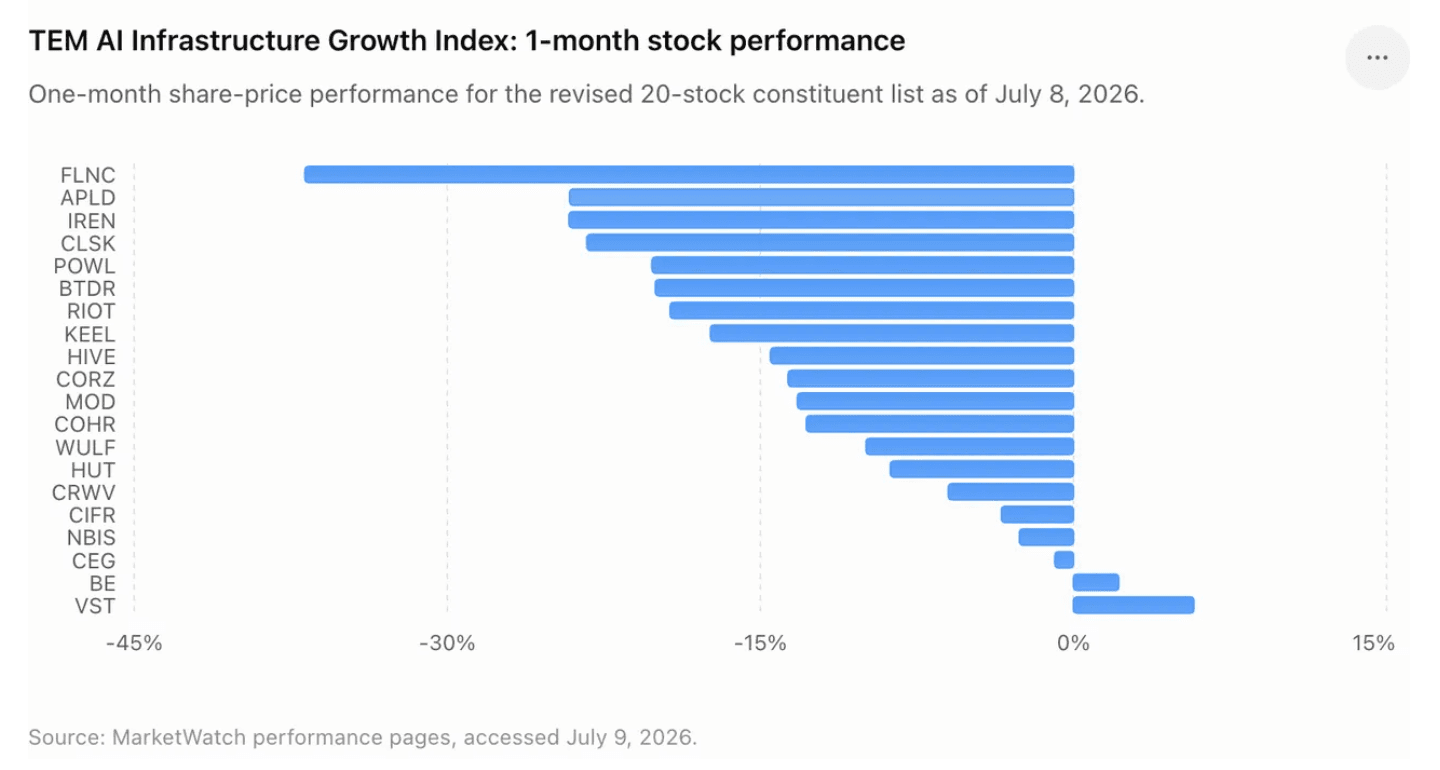
According to a miner weekly report from Blocksbridge Consulting, publicly listed Bitcoin mining companies have actively shifted their business focus toward AI infrastructure after recent market volatility. They are seeking new growth opportunities, but the move has drawn investor scrutiny over heavy insider stock sales. As the valuation rally driven by the AI narrative begins to lose momentum, executives and major shareholders at several mining companies have recently sold shares. These companies include TeraWulf, Cipher Digital, Riot Platforms, and Core Scientific. Stablecoin issuer Tether has also reduced its stake in Bitdeer. The research firm noted that many of these transactions were carried out through prearranged Rule 10b5-1 trading plans, which are generally compliant insider trading arrangements. Even so, the market remains concerned about whether miners’ large-scale investments in data centers and computing infrastructure can generate meaningful long-term returns for public shareholders. Investors are now focusing more closely on corporate governance structures. They are also questioning whether diversification into AI can genuinely ease the pressure from declining mining profitability, or whether it is mainly a short-term strategy to support valuations during the market cycle.
Disclaimer: The information provided in this section is for informational purposes only and doesn't represent any investment advice or FameEX's official view.