FameEX Today’s Crypto News Recap | July 14, 2026
2026-07-14 07:07:04

Hyundai completes USDT cross-border pilot, Bolivia evaluates USDT payment framework and BTC dips to $61K amid global tension. As geopolitical tensions intensify, Bitcoin has experienced significant price volatility amid a broader shift toward risk aversion. The price briefly fell to around $61,750, marking an intraday decline of approximately 4%. Ethereum also came under pressure. Spot Ethereum ETFs recorded net outflows, while investors remained cautious ahead of the upcoming US Consumer Price Index report. Reduced liquidity and highly leveraged long positions contributed to a series of liquidations across the market. The Crypto Fear and Greed Index has now fallen to 22, placing the market in the Extreme Fear section. Most risk assets are also facing renewed correction pressure. Although macroeconomic conditions have created short-term instability, the market remains focused on how the latest US inflation data could influence the Federal Reserve’s interest rate policy. Investor behavior is gradually shifting away from aggressive risk-taking toward more defensive asset allocation. Institutional fund flows also reflect this change. Net outflows from spot crypto ETFs suggest that large institutions are reducing risk exposure amid heightened uncertainty. The broader market structure is moving away from leverage-driven positioning and toward spot-based defensive strategies. Key levels to watch include the concentration of short liquidations above $65,638 and potential long liquidations below $59,463. Activity around these levels may shape the market’s near-term direction.
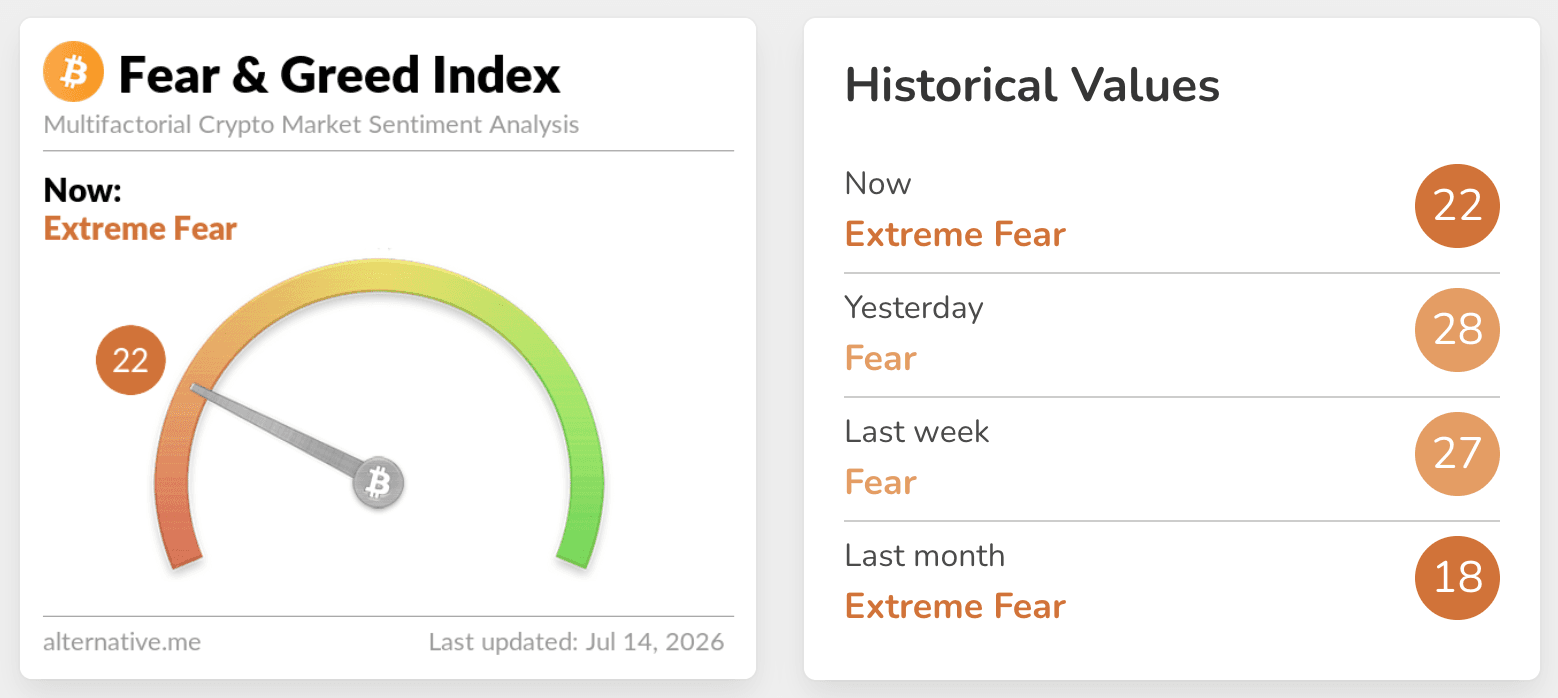
Source: Alternative
Key News Highlights:
Hyundai Completes USDT Cross-Border Treasury Settlement Pilot Between the US and Mexico
Hyundai Motor Group recently completed a cross-border treasury settlement pilot between its US and Mexican subsidiaries. The project used Tether’s USDT as the settlement asset and processed the transfer through the Avalanche blockchain. During the proof of concept, a cross-border payment of USD 20,000 was completed in approximately seven minutes. This was significantly faster than the three to four hours normally required by traditional banking systems. Through the pilot, Hyundai assessed whether stablecoin payments could be integrated into its existing corporate treasury operations. The company focused on whether funds could be transferred without changing its established compliance, accounting, governance, and approval procedures. As corporate treasury departments seek faster cross-border payment options, stablecoin-based settlement is becoming an increasingly relevant tool for improving liquidity management. Axiym provided the settlement infrastructure for the pilot. Hyundai Card designed the remittance structure and supervised the compliance and operational requirements. Hyundai plans to expand the testing to additional payment corridors and local currency settlement scenarios. The company will continue exploring how stablecoins could be used within corporate treasury workflows while remaining within applicable legal and regulatory boundaries.
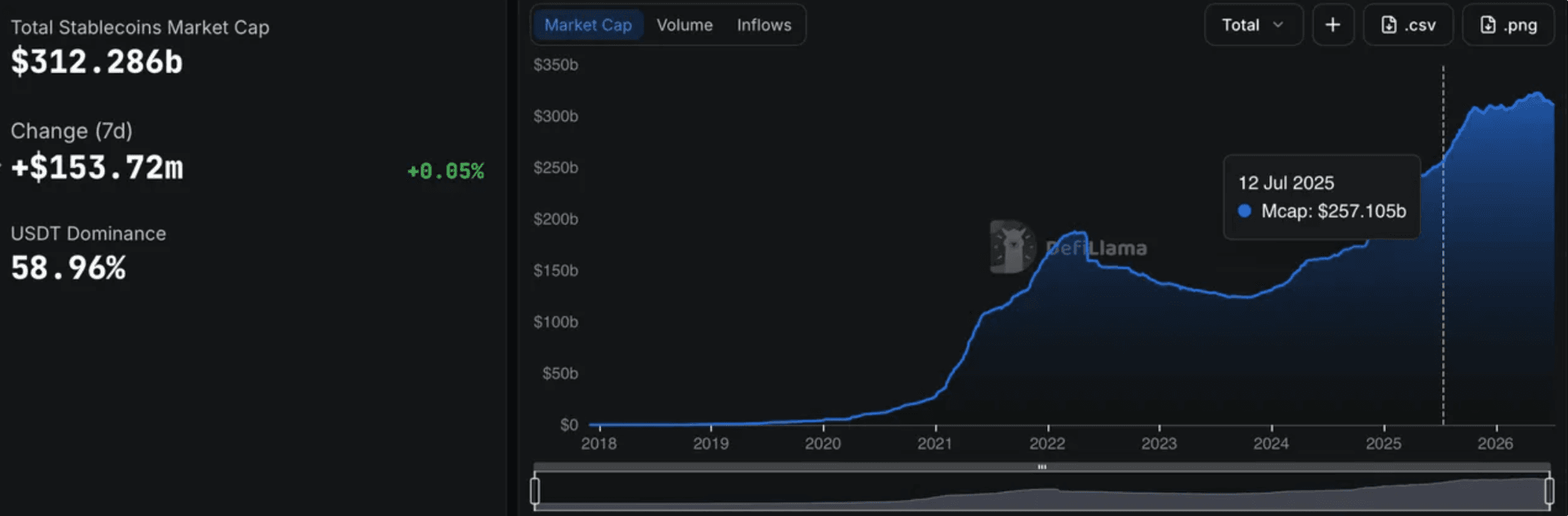
Bolivia Considers Recognizing USDT as an Official Payment Currency
Bolivia is evaluating a new regulatory framework that could allow USDT to operate within the country’s national payment system. The proposal comes as the country continues to face pressure on its US dollar reserves. Officials from the Ministry of Economy and Public Finance said the initiative is intended to ease the severe shortage of dollars. Under the proposed framework, USDT could circulate alongside the boliviano and the US dollar. It could potentially be used for everyday payments, savings, and commercial trade settlements. If implemented, the framework would represent a significant development for stablecoin adoption in Latin America. It would also give digital assets a more formal role within Bolivia’s financial system. However, Bolivia remains on the Financial Action Task Force grey list. Any rollout would therefore require strict regulatory controls and comprehensive anti-money laundering safeguards. These measures would be necessary to protect the stability and integrity of the country’s financial system. The proposal also follows Bolivia’s decision to lift its long-standing cryptocurrency ban in 2024. It shows that the government is exploring whether digital assets can address liquidity problems that the traditional banking system has struggled to resolve. The policy remains under review and is expected to receive close attention from both market participants and regulators.
White House Crypto Adviser Patrick Witt to Take Leave for Military Training
Patrick Witt, executive director of the White House President’s Council of Advisors for Digital Assets, is expected to temporarily step away from his position in late July. He will attend several months of military training. According to reports, Witt is scheduled to complete his current White House responsibilities on July 24. He will then report to the Georgia Army National Guard. Witt will participate in Judge Advocate General training, which will qualify him to serve as a legal officer in the Guard. He has served as executive director of the President’s Council of Advisors for Digital Assets since August 2025. In this role, he has helped coordinate negotiations surrounding the Digital Asset Market Clarity Act. His work has included discussions over the division of regulatory authority between the crypto and banking sectors. He has also been involved in debates over stablecoin yield, conflicts of interest, and ethics provisions within the legislation. During Witt’s absence, deputy director Harry Jung is expected to assume his main responsibilities. Jung will continue coordinating with government agencies, lawmakers, and industry representatives. People familiar with the matter said Jung has participated in many of the same policy meetings and negotiations over the past year. The transition is therefore expected to focus on maintaining the current pace of discussions. Witt reportedly plans to remain informed about the bill whenever his training schedule allows. His departure comes at a critical stage for the legislation as the US Senate continues its review. Congress is scheduled to begin its recess on August 8. The bill seeks to establish a federal framework covering digital asset classification, regulatory jurisdiction, and trading market rules. It must still complete the Senate review process and subsequent legislative procedures.

Japan’s JCB to Test USDC Merchant Payments for Foreign Tourists
Japanese credit card and payment services company JCB has partnered with a Circle-affiliated company to test USDC merchant payments in Tokyo during 2026. The first phase will take place at a physical retail location that receives a high number of foreign visitors. The pilot will evaluate the full payment process for international travelers using stablecoins. Participating customers will pay in USDC through digital wallets. Merchants will then complete transaction confirmation and settlement through the system designed for the pilot. The test aims to reduce the need for tourists to exchange funds into Japanese yen before making purchases. It will also examine whether stablecoin payments can lower cross-border payment costs and merchant settlement expenses. JCB will use the results to determine whether the service should be expanded to more affiliated merchants. The company has not yet announced a timetable for commercial deployment. JCB previously worked with Digital Garage and Resona Holdings to test in-store payments using USDC and the yen-denominated stablecoin JPYC. Those earlier trials used self-custody wallets for consumer payments. Merchants then received settlement funds in Japanese yen through the established payment process. Other Japanese retailers are also testing stablecoin payment systems. Lawson plans to begin testing JPYC for in-store settlement in August. These pilots must address wallet operations, transaction confirmation, merchant settlement, customer identity verification, and anti-money laundering requirements. JCB’s current initiative remains a limited-scale test focused on payment scenarios involving foreign travelers. It does not indicate that USDC has become a widely accepted retail payment method in Japan.
Disclaimer: The information provided in this section is for informational purposes only and doesn't represent any investment advice or FameEX's official view.