FameEX Today’s Crypto News Recap | September 10, 2026
2026-09-10 07:06:23

AMC stock-token dispute grows as Biden’s son Hunter Biden launches LAPTOP memecoin and Illinois crypto tax faces court challenge; today’s BTC price is near $78.4K in Greed. The crypto market continued to recover within a volatile range. BTC traded near $78.4K, up about 1.6% over the past 24 hours, while ETH was near $2,514 with a gain of around 1.8%. BTC briefly returned above $79K after previously falling below $78K. However, the price remains within its recent trading range of roughly $77.2K to $82.1K, with no clear short-term breakout yet. ETH also moved back above $2,500 and showed a modest improvement from the previous trading day. Market sentiment strengthened as the Fear & Greed Index rose from 66 yesterday to 69. It remains in the Greed zone, indicating relatively elevated risk appetite. ETF flows showed a mixed picture. U.S. spot Bitcoin ETFs recorded total net outflows of about USD 120 million yesterday, while spot Ethereum ETFs posted net inflows of approximately USD 34.7535 million. Volatility also increased across the derivatives market. Total crypto liquidations reached USD 389 million over the past 24 hours, including about USD 274 million in long liquidations and USD 116 million in short liquidations. Long positions therefore faced greater liquidation pressure. BTC long and short liquidations were approximately USD 52.8141 million and USD 30.3562 million respectively. ETH long and short liquidations reached about USD 42.5493 million and USD 16.3081 million. Liquidation maps also show concentrated leverage around key price levels. If BTC moves above $82,091, cumulative short liquidation intensity across major trading platforms could reach around USD 1.649 billion. If BTC falls below $74,711, cumulative long liquidation intensity could reach approximately USD 1.094 billion. Overall, BTC and ETH are still rebounding within their recent ranges. ETF flows, leveraged-position liquidations and macro rate expectations continue to shape the short-term market structure, while volatility remains elevated.
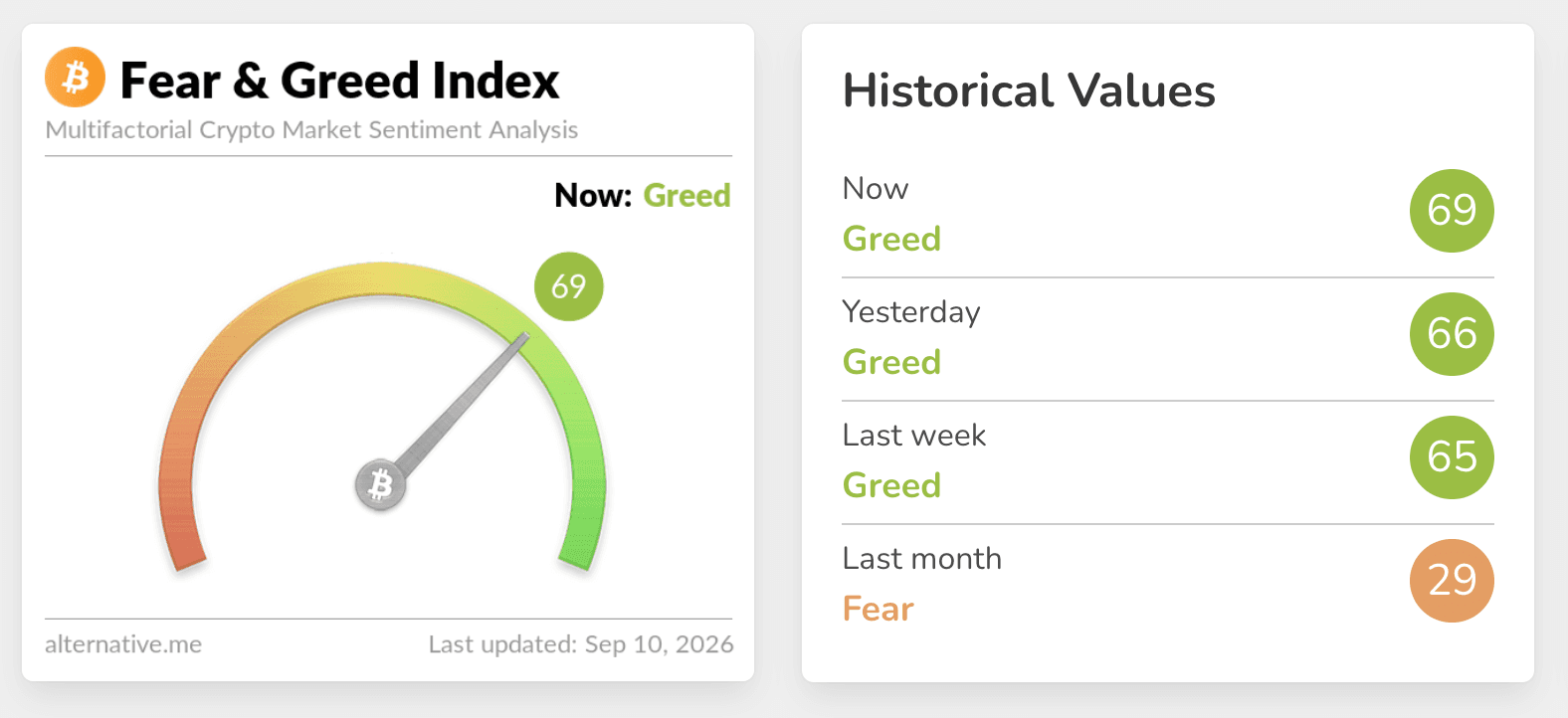
Source: Alternative
Key News Highlights:
AMC and Major Trading Platform Escalate Dispute Over Stock Token Issuance
The public dispute between AMC Entertainment and a major trading platform over stock tokens continues to escalate. The central issue is whether a third party must obtain consent from a listed company before offering a tokenized product linked to its share price. The platform's CEO said listed companies have control over the rights and obligations attached to the shares they issue. However, this does not mean they can control every financial product created by other firms that references those shares. He also argued that whether issuer consent is required should depend on the legal structure and design of the individual product rather than on a blanket rule for all stock-linked securities. The response followed earlier comments from AMC CEO Adam Aron, who said the company had no relationship with the AMC-linked stock token and had neither authorized nor endorsed the product. Aron later called on the platform to stop offering tokens linked to AMC shares and said he could seek intervention from the U.S. Securities and Exchange Commission. According to the platform, its stock tokens are backed 1:1 by underlying shares held as collateral. The tokens themselves are structured as debt securities rather than direct ownership of the original shares onchain. Token holders can receive economic benefits linked to dividends, but they do not receive the voting rights attached to the underlying shares. The product structure has renewed debate over the difference between putting an actual share onchain and issuing a separate financial instrument that references a stock. Some tokenization industry participants have noted that the two models differ materially in legal rights, asset ownership and pricing mechanisms. Thinly traded token markets can also diverge sharply from the price of the underlying stock. As a result, the legal status and transparency of stock-token products have become central issues in the dispute.
Hunter Biden Launches LAPTOP Memecoin, Which Falls More Than 95% in Its First Hour
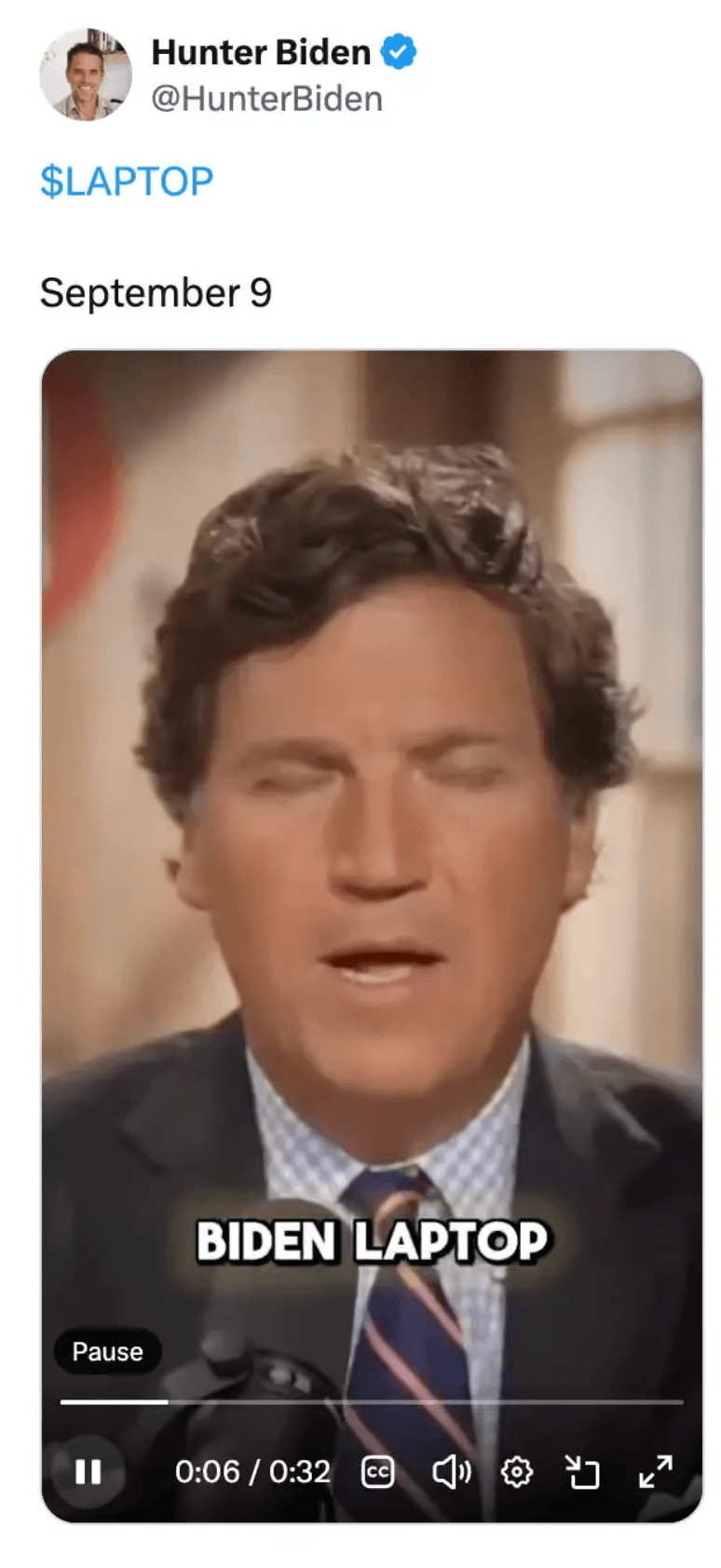
Hunter Biden, the son of former U.S. President Joe Biden, has launched a memecoin called LAPTOP. The project brings the political controversy surrounding his laptop into the crypto market. LAPTOP was issued on Base, an Ethereum Layer 2 network. The token opened as high as $199.50 before falling 95.7% within its first hour of trading. Later market data showed the token dropping to around $2.10, while total trading volume exceeded USD 13.4 million. The sharp move reflected significant volatility during its early trading period. Hunter Biden said one purpose of LAPTOP was to reclaim the public narrative that had developed around his laptop over the years. He described the project as a symbol of resilience, redemption and recovery. He also acknowledged the skepticism surrounding politically themed memecoins and warned participants not to expect him or anyone else to increase the token's value. Public information about the project indicates that LAPTOP has no stated utility. Some team-held tokens are also subject to a six-month lockup. The project plans to allocate 2% of its token supply to certain wallets that previously suffered losses from another politically themed memecoin. Onchain data shows that some of the largest token holders are newly funded wallets that received capital within roughly the past ten days. This has drawn attention to the token's initial distribution. The Base team said the LAPTOP project had previously contacted it, but Base did not participate in the token's design or promotion. The launch further extends the intersection between political figures, political events and memecoin markets. It has also renewed attention on token distribution, disclosure practices and the boundaries of political involvement in crypto projects.
Crypto Industry Groups Seek Court Injunction Against Illinois Digital Asset Transaction Tax
U.S. crypto industry groups are escalating their challenge to Illinois' planned digital asset transaction tax. The Blockchain Association and the Crypto Council for Innovation have filed for a preliminary injunction in state court in an effort to stop the law from taking effect. Illinois Governor JB Pritzker previously signed the Digital Asset Tax Act as part of the state's fiscal year 2027 budget package. Under the legislation, Illinois plans to impose a 0.2% tax on digital asset transactions. The measure is scheduled to take effect in January 2027. Both industry groups had already filed lawsuits challenging the law. Their latest request asks the court to block enforcement while the case remains under review. In a 34-page court filing, the groups said companies would be required to spend substantial amounts on compliance systems despite limited regulatory guidance. They also said affected firms could face the risk of criminal penalties under the law. The plaintiffs argue that even if companies can eventually comply with the new requirements, the system changes and operating costs incurred before implementation could create losses that cannot be fully recovered. The groups also claim that the law treats digital assets differently from other asset classes and may therefore raise equal-taxation concerns under the Illinois Constitution. They also cited the federal Internet Tax Freedom Act. In their view, the law prohibits state governments from imposing discriminatory taxes on electronic commerce. The Illinois government has not yet issued a public response to the latest injunction request. The court's decision will determine whether the new tax can take effect as scheduled in January 2027.
Disclaimer: The information provided in this section is for informational purposes only and doesn't represent any investment advice or FameEX's official view.