FameEX Today’s Crypto News Recap | July 15, 2026
2026-07-15 07:27:07

Kalshi faces regulatory conflicts, the UK adopts crypto lending tax deferrals, and Velocity raises USD 38M, Tether freezing assets linked to sanctions. BTC surged past $65K on strong ETF inflows. The crypto market recorded a notable recovery today. Bitcoin attracted strong buying interest during the session and moved above the $65K level. The rally was supported by net inflows into spot ETFs, while market sentiment showed a degree of resilience despite ongoing macroeconomic volatility. The latest data showed that U.S. spot Bitcoin ETFs recorded total daily net inflows of USD 181 million. BlackRock’s IBIT accounted for USD 139 million of the total. This suggests that institutional investors continue to maintain confidence in their medium- to long-term Bitcoin exposure and have not been significantly affected by short-term market noise. Ethereum also recovered alongside Bitcoin. U.S. spot Ethereum ETFs posted total net inflows of USD 58.3385 million yesterday, with none of the related ETF products reporting net outflows. BlackRock’s ETHA received all of the day’s net inflows, which shows that institutional capital continues to move into core digital asset products. The Crypto Fear and Greed Index remains in the Extreme Fear zone. However, changes in capital flows and open interest suggest that some market participants are increasing their exposure. Ethereum futures open interest rose 12.26% over the past 24 hours to USD 27.199 billion. This indicates that activity in the derivatives market is gradually increasing as demand in the spot market recovers.
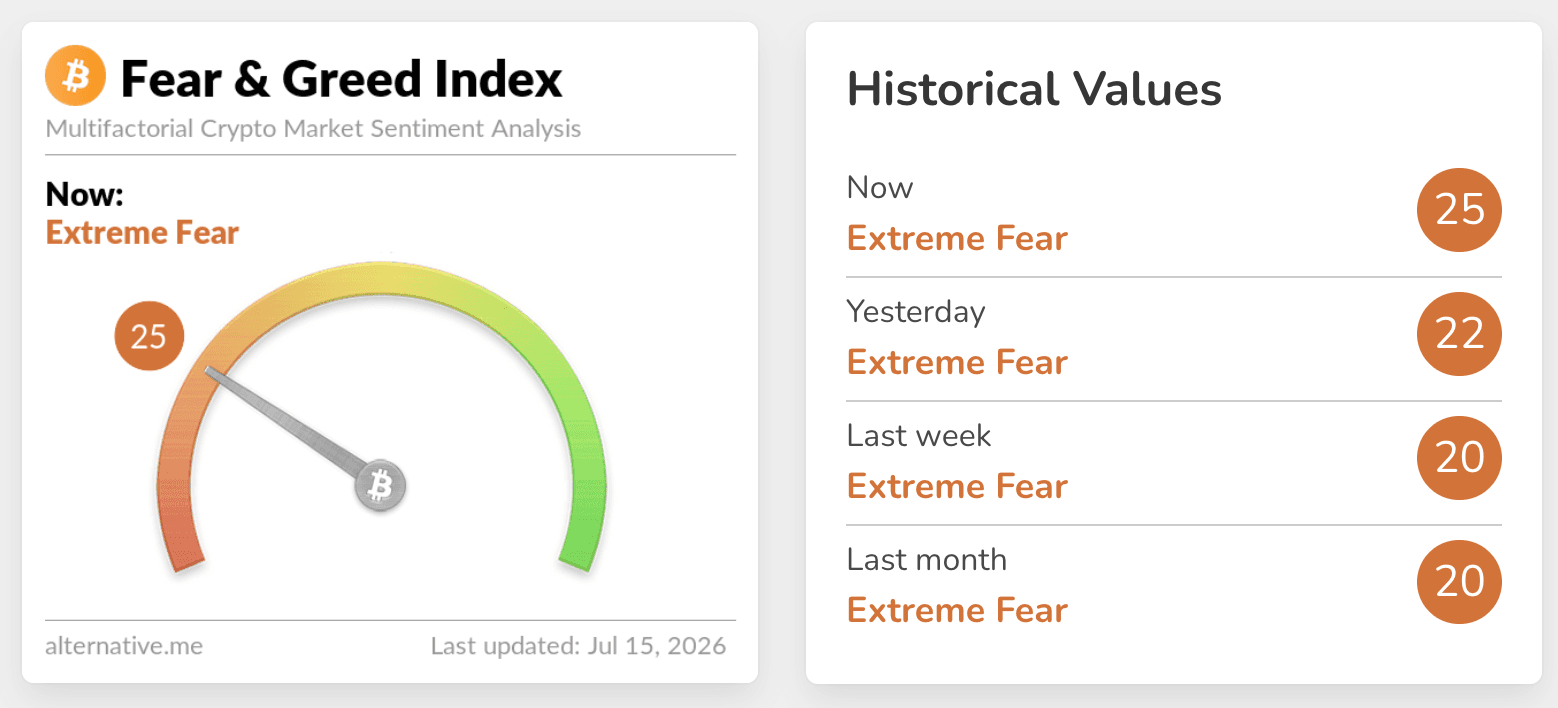
Source: Alternative
Key News Highlights:
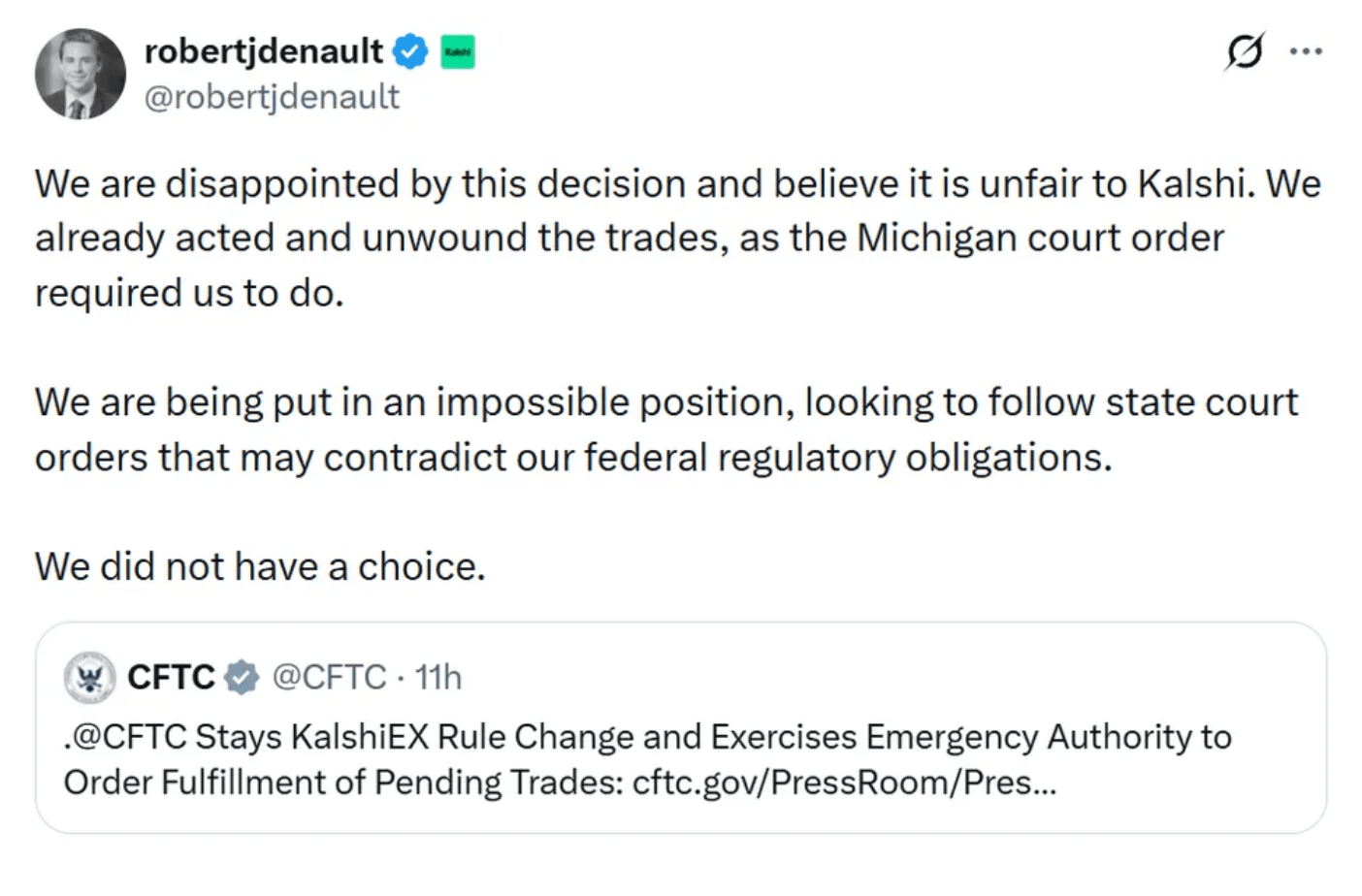
Kalshi Says CFTC and Michigan Orders Have Left It in an “Impossible Position”
Prediction market platform Kalshi is facing conflicting regulatory instructions from federal and state authorities. The company’s legal counsel said a Michigan court has ordered Kalshi to stop offering sports-related event contracts to users in the state. At the same time, the U.S. Commodity Futures Trading Commission has directed the company to continue operating and not comply with the state-level restriction. Kalshi said these contradictory requirements have placed it in an “impossible position.” The dispute highlights the long-running disagreement between the CFTC and state regulators over jurisdiction in prediction markets. The CFTC said it would not allow a state government to pressure one of its registered entities into violating federal requirements. The federal regulator also argued that Michigan’s attempt to interfere with previously executed derivatives transactions could undermine the legal certainty required for financial contracts. It added that such action could create an unprecedented example of state interference in federally regulated markets. Kalshi said it is reviewing the relevant orders and assessing possible legal action to resolve the conflict between its federal and state obligations.
UK to Defer Capital Gains Tax on Certain Crypto Lending and Liquidity Pool Transactions
HM Revenue and Customs has announced a new tax treatment for certain transactions involving crypto lending and liquidity pools. Eligible disposals will be treated on a “no gain, no loss” basis. The new rules are expected to take effect on April 6, 2027, and will apply to individuals and trustees who participate in qualifying arrangements. Under the policy, eligible crypto transfers will not immediately be treated as taxable capital gains or losses. The tax obligation will instead be deferred until the participant completes a disposal that has a genuine economic effect. The rules cover single-asset crypto lending arrangements, single-asset borrowing arrangements and automated market maker arrangements operated through smart contracts. In a crypto lending arrangement, a participant may exchange an asset for an interest that entitles them to receive the same type of asset without immediately recognizing a gain or loss. Similar treatment may apply when a participant deposits and later withdraws the same type and quantity of assets from an automated market maker. If the final amount returned differs from the original amount deposited, the excess or shortfall may still create a reportable gain or loss. The UK government estimates that the policy will affect around 700,000 people who participate in crypto lending or liquidity pool activities. The change is intended to reduce the reporting and administrative burden created by the existing tax framework.
Velocity Raises USD 38 Million in Series A Funding to Expand Enterprise Stablecoin Infrastructure
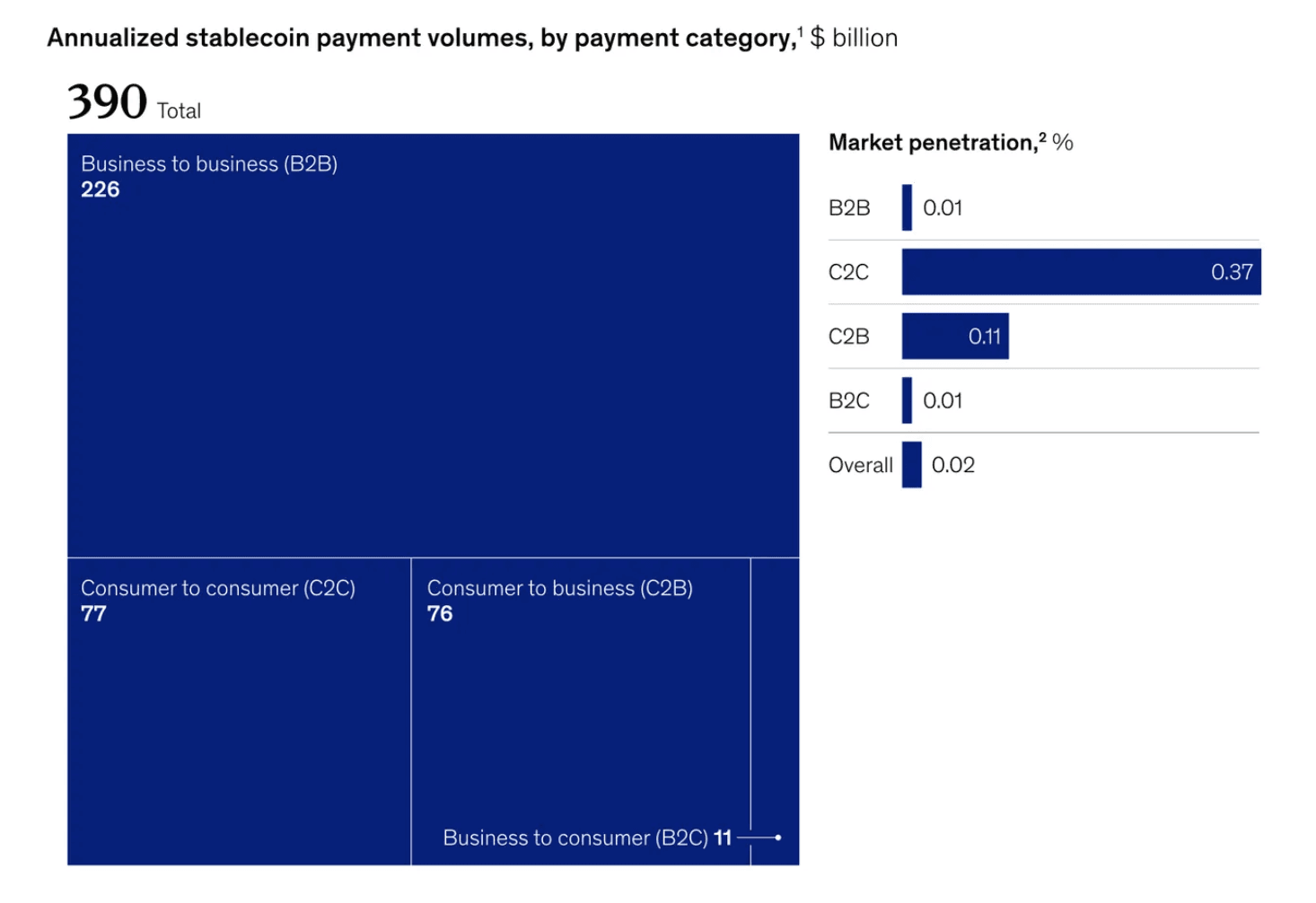
Stablecoin treasury and settlement platform Velocity has raised USD 38 million in a Series A funding round led by Dragonfly and FirstMark. Other participants came from the enterprise software, payments, fintech and digital asset investment sectors. They included Activant Capital, Capital One Ventures, QED Investors, Wintermute Ventures and Ripple. Velocity said it will use the funding to expand its global banking and payments network. It also plans to accelerate product development, strengthen its regulatory capabilities and support the adoption of stablecoin services by enterprises and financial institutions. Founded in 2025, the company develops enterprise software that connects stablecoin networks with traditional banking systems. Its platform integrates local banking channels, custody, compliance, liquidity management and settlement coordination. This allows businesses to use stablecoins without completely replacing their existing financial systems. Velocity serves corporate treasury teams, payment providers, fintech companies, global merchants and financial institutions. Businesses can use the platform to manage funds, arrange cross-border settlements, reduce pre-funding requirements and track cash flows across different markets. Following the latest round, Velocity has raised nearly USD 50 million since its launch. Joint data from McKinsey and Artemis Analytics showed that stablecoins processed an annualized USD 390 billion in real-world payments during 2025. Business-to-business payments accounted for approximately USD 226 billion of that total.
Tether Freezes Four TRON Addresses Suspected of Links to Sanctioned Iranian Entities
On-chain investigator Specter reported that Tether has frozen four wallet addresses on the TRON network. The addresses collectively held approximately USD 131 million in USDT. On-chain fund tracking showed that most of the assets had previously been withdrawn from a crypto asset trading platform before being transferred into the affected wallets. Further analysis of the address connections suggested that the wallets may have financial links to Iranian entities sanctioned by the U.S. Department of the Treasury’s Office of Foreign Assets Control. The entities mentioned include the Islamic Revolutionary Guard Corps and the Central Bank of Iran. Both are subject to U.S. sanctions. Public information has not yet clarified when Tether carried out the freezes, which legal requirements applied or what directly triggered the action. Tether has also not released complete information about the owners of the four addresses or the intended use of the funds. The current findings are based mainly on public blockchain transaction records and address relationships identified by on-chain investigators. They do not represent a final conclusion issued by a regulatory authority. As USDT is managed by a centralized issuer, Tether can restrict certain addresses from transferring tokens in response to sanctions, law enforcement requests or compliance requirements. Further confirmation is still required to determine whether the addresses were directly controlled by sanctioned entities and whether the funds were involved in sanctions violations.
Disclaimer: The information provided in this section is for informational purposes only and doesn't represent any investment advice or FameEX's official view.