FameEX Today’s Crypto News Recap | August 6 2026
2026-08-06 06:57:36

The cryptocurrency market remains cautious as macroeconomic uncertainty and geopolitical tensions continue to shape overall risk appetite. Bitcoin traded within a narrow range near $64K before and after the Wall Street open. It failed to follow traditional risk assets to new highs. Market sentiment also weakened further. The Crypto Fear and Greed Index fell to 25, which indicates Extreme Fear, compared with 27 in the previous session. This decline reflects a more defensive stance among market participants during the current cycle. Fund flow data showed some resilience across institutional investment products. U.S. spot Bitcoin ETFs recorded USD 244 million in daily net inflows and extended their recent inflow streak. U.S. spot Ethereum ETFs posted USD 60.8576 million in daily net inflows, which pushed their cumulative historical inflows higher. In the derivatives market, total crypto liquidations reached USD 257 million over the past 24 hours. Long liquidations totaled USD 91.215 million, while short liquidations reached USD 166 million. The largest single liquidation occurred on a major trading platform and was valued at USD 3.5545 million. This activity highlights the pressure on leveraged positions during narrow-range price movements. Overall, expectations for macro liquidity, developments in geopolitical conflicts, and positioning across the derivatives market remain the main forces shaping short-term crypto price action and participant behavior.
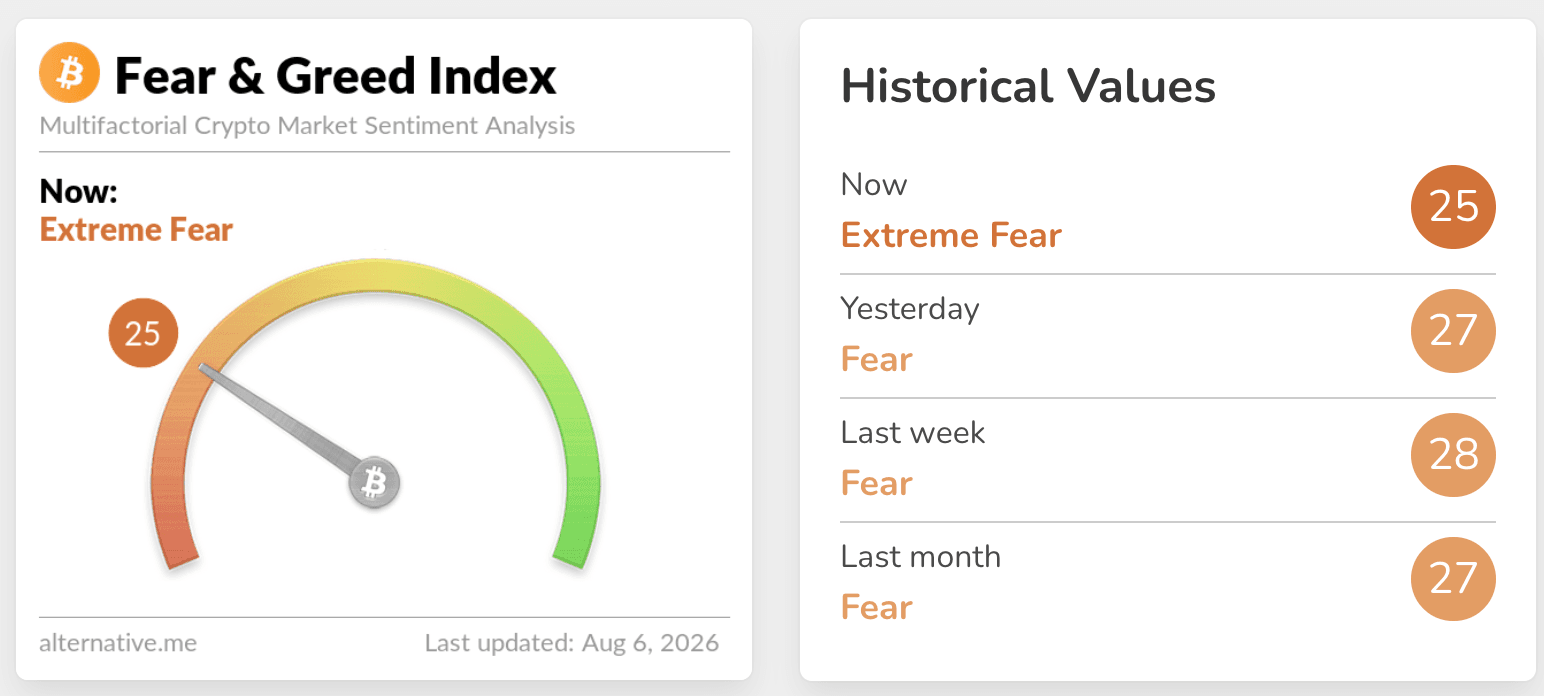
Source: Alternative
Key News Highlights:
Senate Recess Nears as Lummis Pushes for a CLARITY Act Vote Before the 2026 Midterm Cycle
U.S. Senator Cynthia Lummis said she still expects the Senate to vote on the Digital Asset Market Clarity Act, known as the CLARITY Act, before its August recess. The Senate is preparing to begin a recess of around one month, which leaves lawmakers only a few business days to schedule consideration of the bill. The House of Representatives passed the CLARITY Act in July 2025 by a vote of 294 to 134. The legislation then moved to the Senate. It aims to establish a regulatory framework for the U.S. digital asset market. However, lawmakers remain divided over provisions covering ethics rules for government officials, stablecoin yields, and tokenized equities. Some Democratic senators are seeking stricter conflict-of-interest and ethics requirements. These issues have become central to the negotiations between the two parties. As of Wednesday, the official calendar released by Senate Democrats did not include a scheduled vote on the CLARITY Act. Senate Majority Leader John Thune has the authority to bring the bill to the floor. Reports indicate that he is still considering a vote before Saturday. The legislation would need at least 60 votes to end debate and advance through the Senate. Some Republican senators have also raised concerns about banking regulation and stablecoin rules. It therefore remains unclear whether the bill can secure enough support. The Senate is expected to remain in recess until mid-September after this week. A failure to hold the vote before the recess would push further consideration closer to the 2026 midterm election cycle.
Gold Hits a Six-Week High on Chinese ETF Demand as Bitcoin Fails to Follow U.S. Stocks Above $64K
Gold rose to a nearly six-week high on Wednesday, while Bitcoin remained near $64K during the U.S. stock market session. Spot gold gained as much as 2.8% during the day and reached $4,213 per ounce. This marked its highest level since June 22. Demand from the Chinese market provided an important backdrop for the rally. Gold ETFs in China recorded inflows for 14 consecutive trading days. Chinese gold ETFs had experienced their largest monthly outflows on record in June. Even so, their total inflows during the first half of the year reached around 40 billion yuan. This was the second-highest first-half result on record. The People’s Bank of China also continued to increase its gold reserves. It purchased around 82 tonnes over the 20 months through June. U.S. equities showed relative strength during the same period. The S&P 500 rose above 7,793 and reached a new all-time high before pulling back slightly. Market data showed that around 66% of S&P 500 companies were trading above their 50-day moving averages. Around 57% were also outperforming the index benchmark. Bitcoin, by contrast, failed to rise alongside gold and U.S. equities for a second consecutive trading day. BTC continued to move around $64K on lower time frames and showed limited upside momentum. The performance gap between gold, U.S. stocks, and Bitcoin has brought cross-asset fund flows back into focus.
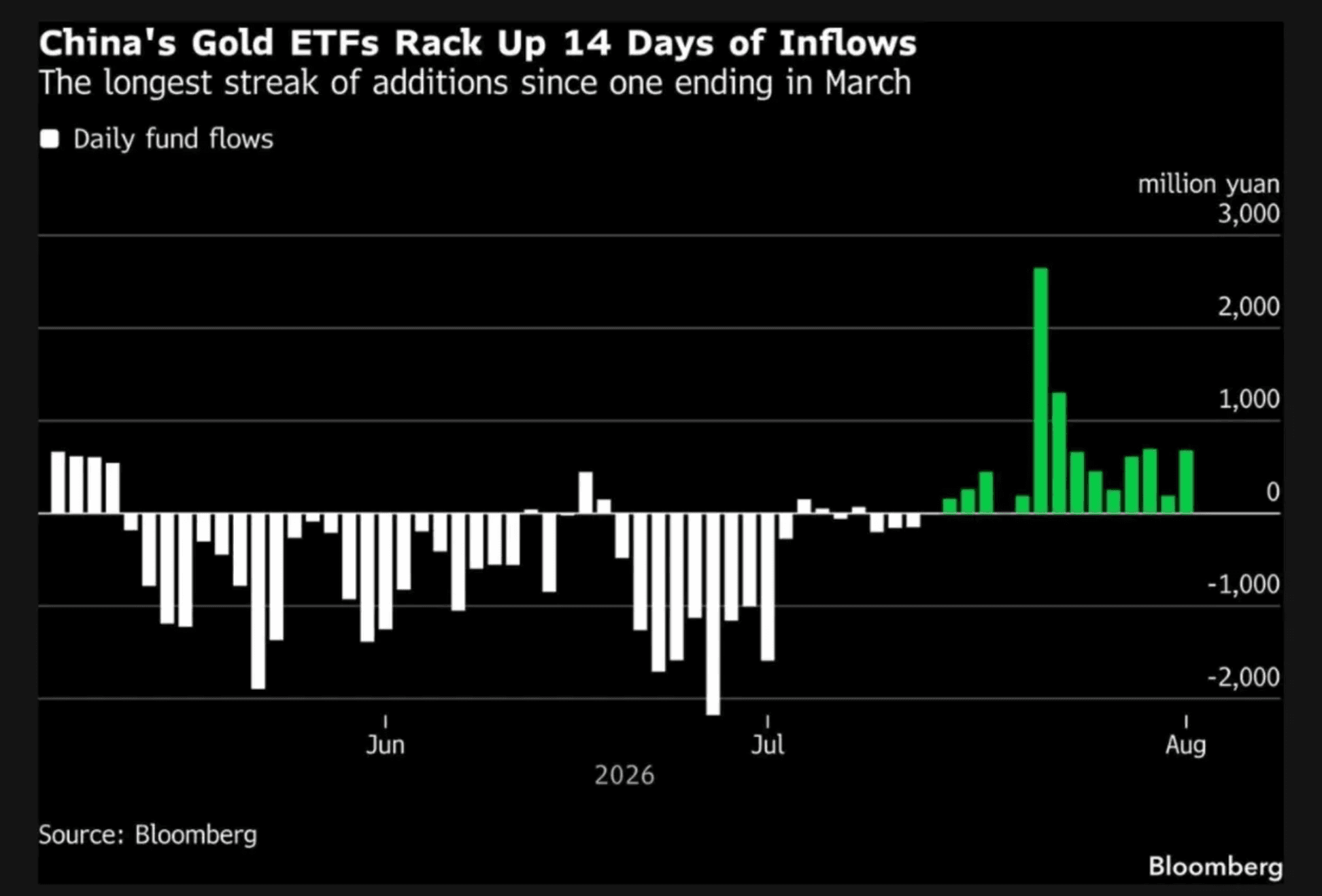
China Gold ETF Inflow Data. Source: Bloomberg
Ethereum Researchers Propose EIP-8363 to Gradually Reduce Validator Rewards as Staking Grows
Six Ethereum researchers and developers have proposed a new issuance policy that would reduce validator rewards more sharply as the amount of staked ETH increases. The contributors include Ethereum Foundation researcher Justin Drake. The draft is called Tapered Issuance Burn and has received the provisional number EIP-8363. Under the proposal, the network would burn a larger share of validator consensus-layer rewards as the proportion of staked ETH rises. The proposal sets a maximum staking threshold of 60.25 million ETH. This represents around 50% of the current ETH supply. As the amount of staked ETH approaches that threshold, a growing percentage of validator rewards would be deducted. The deduction would reach 100% once the threshold is met. The changes would be introduced gradually over 18 months rather than taking effect at once. The draft has faced opposition from some developers, stakers, and DeFi founders. Critics argue that lower rewards could affect solo validators first because they often face higher operating costs. Larger institutions and custodial service providers may be better positioned to absorb the reduction. Some market participants also warn that lower staking yields could weaken institutional demand for ETH. The proposal could also affect DeFi products that rely on staking returns. Proposal author Jérôme de Tychey said the share of staked ETH exceeded 33% in April. The research group aims to address the growing concentration of staked ETH among large custodians and liquid staking platforms.
Block Beats Q2 Expectations and Raises Full-Year Outlook as Agentic AI Touches Nearly All Code Changes
Fintech company Block raised its full-year 2026 outlook after reporting second-quarter results that exceeded expectations. Gross profit reached USD 3.17 billion, which represented a 25% increase from the same period last year. The result also came in above the company’s previous guidance. Adjusted operating income reached USD 855 million and exceeded Block’s earlier forecast. Adjusted diluted earnings per share were $1.02, compared with the Wall Street consensus estimate of $0.87. Block raised its full-year gross profit guidance from USD 12.33 billion to USD 12.51 billion. It also increased its adjusted operating income forecast from USD 3.34 billion to USD 3.47 billion. Chief Financial Officer Amrita Ahuja said the updated guidance reflected the company’s execution during the first half of the year. It also reflected the operating momentum that Block carried into the second half of 2026. Block disclosed in its shareholder letter that agentic AI helped write or review nearly all production code changes in June. The deployment followed the company’s decision to cut 4,000 jobs in February. At the time, Block described the restructuring as part of an AI-driven transformation. Business lead Owen Jennings said the number of code changes completed per engineer had increased by around 150% since the beginning of the year.
Disclaimer: The information provided in this section is for informational purposes only and doesn't represent any investment advice or FameEX's official view.