FameEX Today’s Crypto News Recap | May 7, 2026
2026-05-07 07:11:54

JPMorgan settles tokenized Treasuries via XRP Ledger as U.S. crypto bills push for vote and ETH faces resistance; BTC consolidates near $81K with neutral sentiment. Today’s cryptocurrency market showed a tug-of-war between bullish and bearish forces. Bitcoin (BTC) demonstrated clear market leadership after moving around $81,000, with its market dominance rising above 61% and reaching a new high since late 2025. However, as price entered a higher trading range, onchain data showed signs that long-term holders and whales had started to take profits. Bitcoin Coin Days Destroyed (CDD) inflows on major trading platforms reached their highest level since early 2023, indicating that sell-side pressure was actively building. Over the past 24 hours, total crypto liquidations reached USD 510 million, including USD 219 million in long liquidations and USD 291 million in short liquidations. This reflected the leverage-clearing effect caused by sharp market volatility. Although BTC remained relatively strong, Ether (ETH) continued to struggle with reduced network activity and declining DApp revenue, which limited its ability to break through the $2,400 resistance level. Overall market sentiment stayed in neutral territory. Traders remained cautious toward the next potential breakout, while Bitcoin accumulation by a major real estate investor and technical progress by multinational banks in tokenized assets continued to provide longer-term structural support for the market.
Crypto Markets Overview
The current Crypto Fear & Greed Index stands at 47, placing market sentiment in the Neutral zone. This marks a clear improvement from last month’s Extreme Fear reading and shows that investor sentiment has stabilized as prices recovered. BTC is currently trading around $81K, although its average 8-hour funding rate across the market has turned slightly negative at -0.002%. This suggests that short-term hedging demand or bearish positioning still exists. Ether (ETH) is trading in a narrow range near $2,300, with its average 8-hour funding rate across the market at only 0.0001%. This reflects a stalemate between long and short positions around the current price level. According to Coinglass data, if BTC falls below $77,545, cumulative long liquidation intensity on major CEXs could reach USD 1.367 billion. If ETH breaks above $2,459, cumulative short liquidation pressure could reach USD 1.658 billion. It is also worth noting that onchain monitoring recently detected a high-win-rate whale opening a 40x leveraged BTC long position on a major CEX, with a position size of USD 31.94 million. This high-leverage positioning is appearing at the same time as profit-taking signals from long-dormant addresses. Together, these conditions show that a strong supply wall exists in the $78,000 to $80,000 range. Whether spot demand can effectively absorb this supply will remain a key driver of short-term volatility.
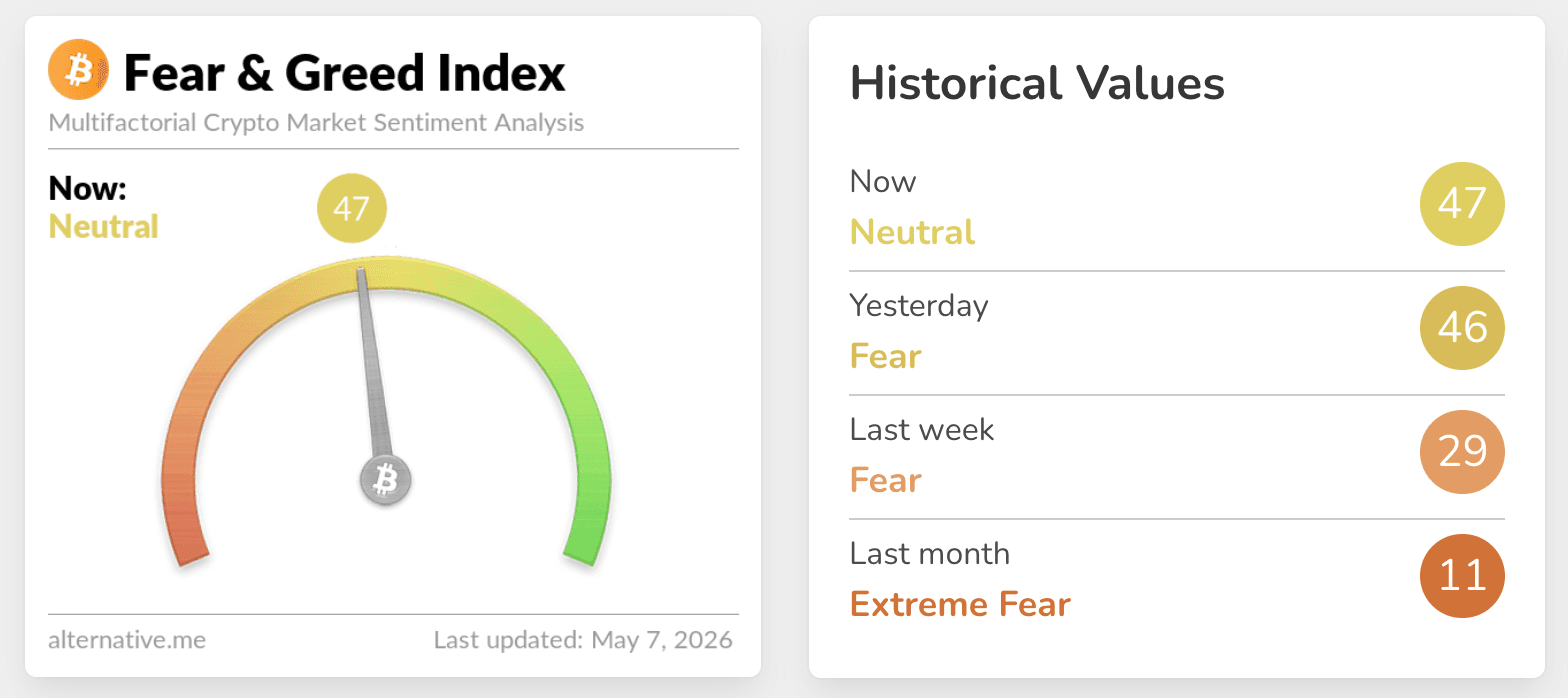
Source: Alternative
Key News Highlights:
JPMorgan And Mastercard Complete First Tokenized US Treasury Cross-Border Transfer Through XRP Ledger
JPMorgan and credit card giant Mastercard announced that they completed the first cross-border and cross-bank redemption of a tokenized US Treasury fund through Ripple’s XRP Ledger. This marked an important milestone in the integration of traditional finance and blockchain technology. In the pilot, tokenization platform Ondo Finance redeemed its OUSG short-term US Treasury fund on the XRP Ledger. Mastercard’s Multi-Token Network (MTN) then routed the settlement instructions to JPMorgan’s Kinexys blockchain platform. The final funds were delivered in US dollars to Ripple’s bank account in Singapore, which enabled real-time settlement between a public blockchain and global banking infrastructure outside traditional banking hours. The total value of tokenized real-world assets (RWA) onchain has now exceeded USD 31.1 billion. Boston Consulting Group has projected that the market could reach USD 16 trillion by 2030, which reflects strong institutional interest in this sector. Despite the technical breakthrough, the International Monetary Fund (IMF) has warned that smart contract risk and legal clarity still require close attention. Shark Tank investor Kevin O’Leary also noted that large-scale institutional capital may remain cautious until market structure legislation is formally passed and aligned with regulatory requirements. Even so, this pilot clearly demonstrated blockchain’s potential to reduce cross-border payment costs and improve settlement efficiency.
ETH Struggles To Break $2,400 As Network Activity And Institutional Participation Decline
ETH has failed to hold above the $2,400 level over the past three months. Its year-to-date decline has reached 21%, which means its performance has lagged behind the broader recovery in the crypto market. Multiple onchain indicators show that shrinking Ethereum network activity is one of the key reasons behind this price pressure. Decentralized exchange (DEX) trading volume dropped 53% over the past six months, which directly led to a 49% decline in decentralized application (DApp) revenue. At the same time, institutional participation has been affected by reserve losses. Bitmine, the world’s largest publicly listed ETH holder, is currently facing a significant unrealized loss on its reserves. The company spent USD 12.2 billion to acquire ETH, while the position is now valued at around USD 10.8 billion. This has weakened the asset’s appeal among some institutional investors. In addition, Ethereum is facing intense competition from emerging public chains such as Solana and Hyperliquid. These two networks now account for a combined 42% share of the DApp revenue market, which challenges Ethereum’s long-standing ecosystem leadership. Although developers are actively advancing network upgrades to improve base-layer scalability, the market remains divided over Layer 2 fee mechanisms and value capture. With onchain activity declining, competition intensifying, and institutional interest weakening, ETH would need stronger network growth data and supportive macro sentiment to challenge the $2,800 resistance level in the near term.
US Senator Says Crypto Market Structure Bill Could Face A Vote Before August Recess
US Senator Kirsten Gillibrand said at the Consensus conference that the CLARITY Act, a bill focused on digital asset market structure, could face a vote before the August recess this year. This would depend on whether lawmakers can resolve key issues such as consumer protection, illicit finance, and strict ethics provisions. Gillibrand emphasized that it is unacceptable for members of Congress or senior government officials to profit from the crypto industry through insider status. For this reason, the bill must include transparent ethics safeguards to ensure legislative fairness. The bill is currently awaiting further review by the Senate Banking Committee. Although the process was previously delayed by issues related to stablecoin yield distribution and decentralized finance rules, recent bipartisan progress has added fresh momentum to the legislative track. Ripple CEO Brad Garlinghouse said the next two weeks could represent a key window for advancing the bill. Otherwise, as the US midterm elections approach, the legislation could face more political friction. Prediction market data shows that the bill has an estimated 65% chance of being signed into law by the end of 2026. This reflects the industry’s relatively optimistic view toward the gradual arrival of a clearer regulatory framework. If the bill passes, it would provide the US crypto industry with a clearer compliance pathway. This would be important for attracting large traditional institutions into the market and would also support the broader maturation and mainstream adoption of crypto market structure.
Trending Tokens:
- $PROS (Pharos Network)
Pharos Network has attracted strong market attention after the official launch of its Pacific Ocean mainnet, which positioned itself as a high-performance Layer 1 blockchain. The project was founded by former blockchain leaders from Ant Financial and Alibaba, and has raised USD 52 million from notable investors including Hack VC and Faction. Pharos stands out through its modular and full-stack parallel blockchain design, which is built to connect deep liquidity with real-world assets. Its network architecture is designed to meet institution-grade regulatory compliance requirements while preserving the efficiency needed for large-scale decentralized finance applications. Current market data shows a sharp increase in both its growth and heat indexes, reflecting strong investor confidence in its technical architecture. By offering wrapped versions of its native token on Ethereum and Base, Pharos is actively positioning itself as a core hub for cross-chain institutional liquidity. The mainnet transition represents a key milestone in its mission to provide robust infrastructure for the next generation of global financial networks.
- $BLOCK (Blockstreet)
Blockstreet has entered a new transformation phase after its strategic acquisition by AiFi Corporation, formerly Alt5 Sigma, marking an important convergence between traditional finance and decentralized technology. As a platform dedicated to the USD1 stablecoin ecosystem, Blockstreet focuses on empowering builders across DeFi, payments, and real-world assets. The acquisition comes as global market liquidity returns and asset tokenization accelerates under an increasingly clear regulatory framework. Its native token is built with LayerZero technology and serves as the main connective layer for seamless multichain expansion and ecosystem participation. Token holders can directly participate in projects launched through the platform, which is designed to support the convergence of Wall Street and Web3. The partnership with Alt5 Sigma is expected to provide the strong institutional infrastructure required to support financial operations at global scale. This development highlights a growing trend in which established financial entities acquire specialized blockchain platforms to capture emerging opportunities in onchain markets.
- $BILL (Billions Network)
Billions Network recently reached a major milestone with the completion of its Season 1 rewards program and the simultaneous launch of Season 2. Backed by top venture capital firms including Coinbase Ventures and Polychain, the project has raised USD 30 million to build a secure digital identity verification layer. The platform uses advanced zero-knowledge proof technology to provide scalable identity solutions for human users and AI agents. As the largest human-verified agentic network, it directly addresses the growing need for trust and privacy in an increasingly AI-driven digital environment. The launch of the Billions Leaderboard and referral system encourages long-term community commitment through the accumulation of network Power. This identity infrastructure is especially relevant because it shares a broader vision with major projects such as Sam Altman’s Worldcoin in establishing verifiable human presence. The ongoing reward distribution has triggered a meaningful surge in social engagement and growth metrics across the crypto ecosystem.

Disclaimer: The information provided in this section is for informational purposes only and doesn't represent any investment advice or FameEX's official view.