FameEX Today’s Crypto News Recap | July 21, 2026
2026-07-21 06:55:53

Grayscale files for a U.S. Worldcoin ETF as ADGM backs Tether Gold and World Cup prediction-market OI falls; BTC returns to $65K amid extreme fear. BTC recovered to around $65K today and gained approximately 0.6% over the past 24 hours. The price traded mainly between $63.7K and $65.7K during the day, which showed renewed buying support following the recent pullback. ETH also moved higher and is currently trading near $1,897. It gained approximately 1.9% over the past 24 hours and briefly approached an intraday high of $1,916. In terms of fund flows, U.S. spot Bitcoin ETFs recorded net inflows of USD 227 million on July 20. This marked their fifth consecutive trading day of net inflows. Spot Ethereum ETFs recorded USD 38.0886 million in net inflows on the same day, with a product managed by a major asset manager accounting for most of the total. Despite the price recovery, the Crypto Fear and Greed Index remains at 25 and is still in the Extreme Fear zone. This is lower than yesterday’s reading of 29 but higher than last week’s 22. Liquidation data shows that cumulative long liquidation exposure across major CEXs could reach USD 1.144 billion if ETH falls below $1,833. If ETH rises above $2,005, cumulative short liquidation exposure could reach USD 615 million. Most crypto sectors also recovered. The DeFi sector gained 2.28% over the past 24 hours, while the RWA sector rose 2.02%. SocialFi declined slightly by 0.96%. Overall, spot ETF inflows remain positive and both BTC and ETH have returned to the upper end of their recent trading ranges. However, derivatives positioning and market sentiment still reflect strong demand for downside protection. Uncertainty surrounding the Middle East and U.S. interest rate policy also continues to affect the pricing of global risk assets. Therefore, the market remains in a structure where price recovery and hedging demand exist at the same time.
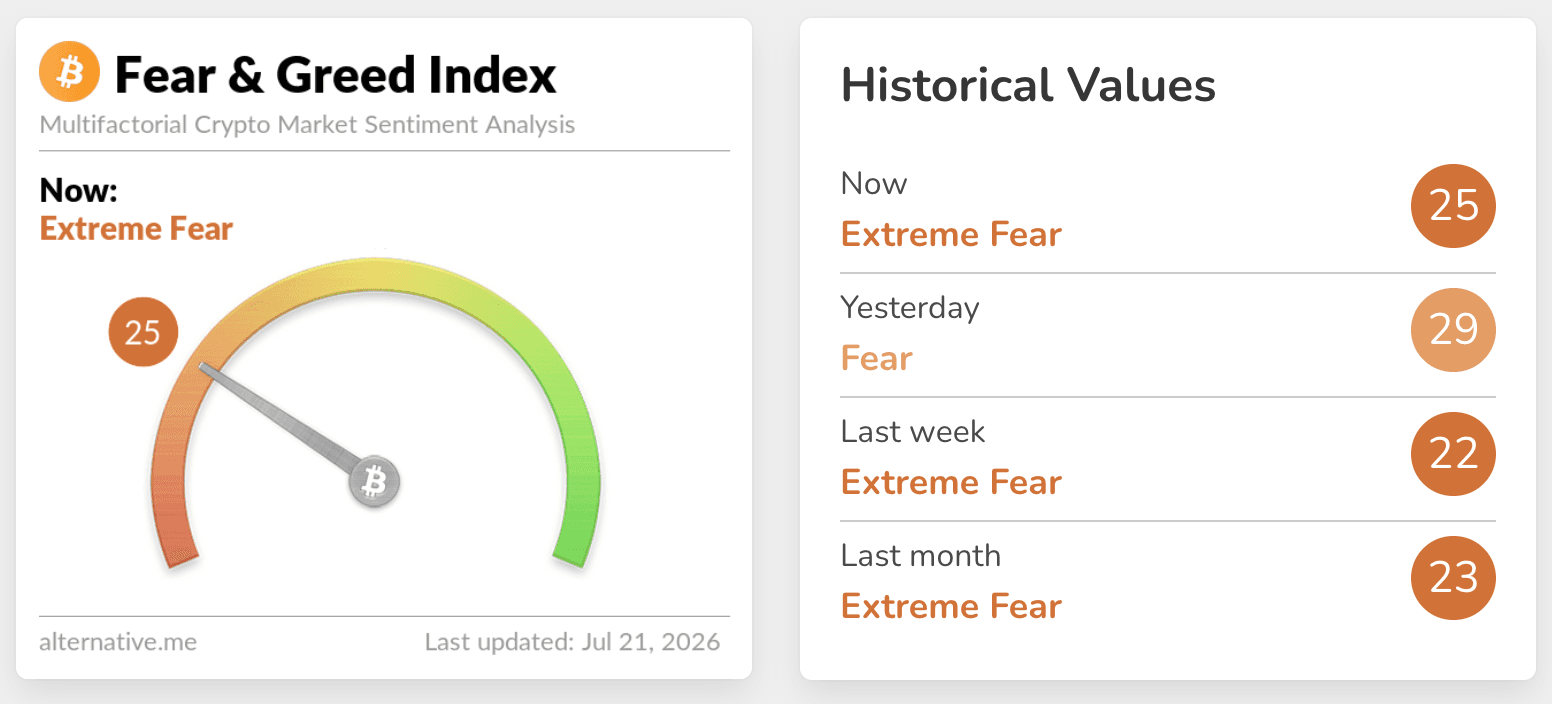
Source: Alternative
Key News Highlights:
Grayscale Files With the SEC for the First U.S. Spot Worldcoin ETF
Crypto asset manager Grayscale has filed an S-1 registration statement with the U.S. Securities and Exchange Commission for the first U.S. spot exchange-traded fund focused on Worldcoin. According to the preliminary prospectus, the proposed fund would be named the Grayscale Worldcoin ETF. It is expected to list on Nasdaq under the ticker GWLD. Under the proposed custody and operating structure, BitGo Bank & Trust would serve as the custodian for the fund’s tokens. BNY Mellon would act as the fund administrator and transfer agent, while CSC Delaware Trust Company would serve as trustee. The current filing does not disclose the proposed management fee, seed capital, authorized participants or liquidity providers. WLD is the project’s native ERC-20 token and is issued on the Ethereum blockchain. World was co-founded by OpenAI CEO Sam Altman and uses biometric verification technology to confirm that users are human. The new ETF filing marks another expansion of Grayscale’s crypto investment product lineup. The company already offers 17 crypto-related investment products covering assets such as Bitcoin, Ether, Solana, XRP, Dogecoin and Chainlink. The filing also shows that institutional asset managers are seeking regulated investment channels beyond major blue-chip cryptocurrencies. These products may help meet growing demand for exposure to emerging utility tokens. Should the fund receive regulatory approval, it would give traditional market participants a new way to gain exposure to WLD price movements without directly holding the token.
Tether Gold Recognized as an Accepted Spot Commodity in Abu Dhabi Global Market
Tokenized gold asset Tether Gold, or XAUT, has been officially recognized as an Accepted Spot Commodity in Abu Dhabi Global Market. The designation means that financial institutions registered in the international financial center may offer XAUT-related financial services and trading products after obtaining the required regulatory permissions. Abu Dhabi’s financial regulator previously recognized Tether-issued USDT as an Accepted Fiat-Referenced Token. The approval of XAUT further expands Tether’s regulated product presence within a major Middle Eastern financial hub. Tether CEO Paolo Ardoino said the recognition provides institutional investors with a clearer regulatory path to access tokenized gold. It may also support the commercial adoption of tokenized real-world assets across the region. According to DefiLlama, the total value locked in XAUT has risen sharply over the past year. It increased from approximately USD 826 million to around USD 2.86 billion. This growth reflects stronger demand for tokenized exposure to physical gold. Beyond conventional trading and custody services, tokenized gold is also expanding into the lending market. Bitcoin lending platform Ledn plans to accept XAUT as loan collateral later this year. This would allow holders to access liquidity without selling their tokenized gold. According to RWA.xyz, the global tokenized commodities market has reached approximately USD 4.46 billion. It represents nearly 13% of the broader USD 34.73 billion tokenized real-world asset market. This regulatory development strengthens the compliance status of tokenized gold and highlights the Middle East’s growing openness to new financial products.
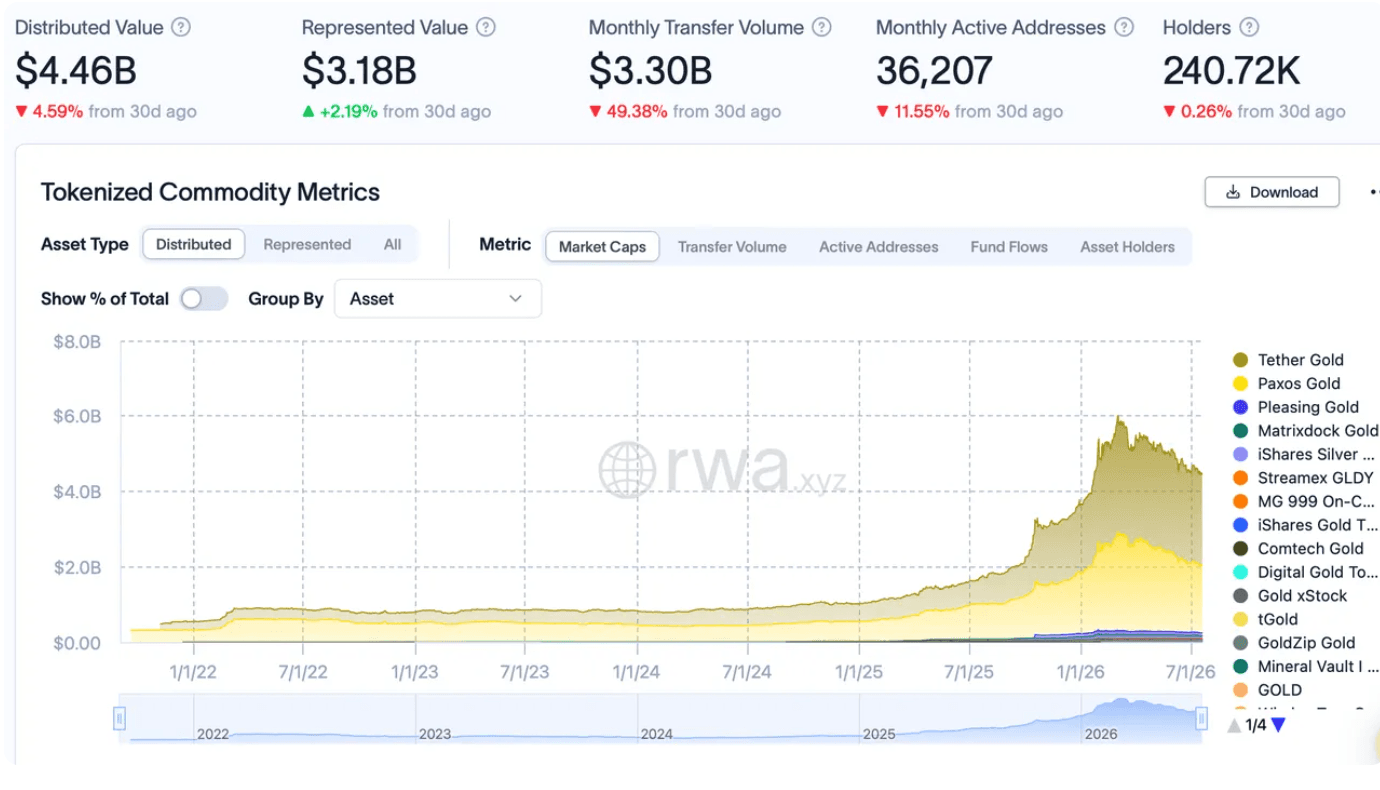
Tokenized commodities, source: https://rwa.xyz/
Bitcoin Decouples From U.S. Tech Stocks as Spot Market Positioning Holds Firm
Bitcoin has shown a relatively independent price trend despite selling pressure across traditional financial markets. Concerns about excessive artificial intelligence valuations and a sharp pullback in U.S. technology stocks have weighed on broader risk assets. During the same period, Bitcoin recovered to around $65,500 and showed signs of decoupling from U.S. equities. Sentiment in the derivatives market remains cautious. The annualized funding rate for perpetual futures is holding near a neutral level of 8%. The 30-day options delta skew also shows that put options continue to trade at a 13% premium over call options. This indicates that large institutional traders and market makers still prefer to maintain downside hedges. One important liquidity development came from Strategy’s efforts to strengthen its balance sheet. The company recently raised USD 263 million in cash through the sale of common stock. This increased its cash reserves to USD 3.22 billion. The move helped ease earlier concerns about its annual USD 1.76 billion preferred stock dividend obligations. It also reduced concerns surrounding USD 2.6 billion in convertible debt scheduled to mature in 2028 and 2029. A stronger cash position lowers the risk that the company may need to sell assets to meet its financial obligations. On the macroeconomic side, the U.S. five-year Treasury yield rose to 4.33%. This reflects investor concerns about further policy easing and the continued expansion of government debt. Rising geopolitical risks and greater volatility across traditional risk assets have also renewed attention on Bitcoin’s role as a borderless scarce asset. As AI-related companies release earnings and global liquidity conditions continue to change, Bitcoin’s spot market positioning has remained relatively resilient. Market participants are now watching whether the price can move closer to the $70,000 level.
World Cup Sends Kalshi and Polymarket Open Interest Down 20%
Trading activity on decentralized prediction market Polymarket and regulated prediction platform Kalshi declined sharply following the end of the World Cup. Combined open interest across the two platforms fell by 20% from its early July peak of approximately USD 2 billion. It declined to around USD 1.5 billion. Sports-related markets accounted for more than 80% of total trading volume on both platforms during the tournament. They became the main driver behind the prediction market sector’s record activity. Data shows that Kalshi’s weekly sports trading volume fell by 55% from a peak of USD 9 billion to approximately USD 4 billion. Polymarket’s sports trading volume dropped by nearly 70%, falling from USD 2.3 billion to around USD 740 million. Daily trading volume declined rapidly as the tournament ended. Open interest fell at a slower pace because a large amount of capital still needed to be released after the final settlement of event contracts. On-chain data from Polymarket’s World Cup winner market shows that more than 194,000 unique addresses participated. Approximately two-thirds of those participants recorded losses. However, 54 addresses earned more than USD 100,000 each, while five leading addresses generated profits of more than USD 1 million. Industry observers expect prediction market activity to remain subdued in the near term after the end of this major sporting event. Market participants may remain on the sidelines until new catalysts emerge. Attention is expected to shift toward major political events later in the year, including the U.S. midterm elections.
Disclaimer: The information provided in this section is for informational purposes only and doesn't represent any investment advice or FameEX's official view.