NFLX (Netflix) Token Price & Latest Live Chart
2026-07-28 03:49:09
What is NFLX (Netflix)?
In traditional financial markets and the global entertainment industry, NFLX usually refers to the ticker symbol used by Netflix, Inc. on the Nasdaq Stock Market. Netflix is a global entertainment company built around streaming video services. It provides series, films, documentaries, animation, games, and live programming. After paying a subscription fee, users can watch content on demand through smart TVs, smartphones, tablets, personal computers, game consoles, and other internet-connected devices. They do not need to follow a fixed television schedule or pay separately for each title. By 2025, Netflix had more than 325 million paid memberships across over 190 countries. This scale reflects its evolution from a domestic U.S. video service into one of the world’s largest direct-to-consumer entertainment platforms.
Netflix was founded in 1997 and initially operated as a DVD-by-mail rental service. Users selected films online, and the company delivered physical discs to their homes. As broadband internet became more widely available, Netflix shifted its core business to online streaming in 2007. This allowed viewers to decide when and where they wanted to watch content. In 2013, the company began releasing original series such as “House of Cards”. This marked its further transformation from a content rental and distribution platform into an entertainment company directly involved in content investment, production, and global distribution. Netflix’s development also reflects a broader shift in the entertainment industry. Audiences have moved away from physical media and scheduled television toward on-demand viewing, global releases, and personalized recommendations.
From an operating perspective, Netflix is more than a website that stores films and television series. The company has built a digital entertainment system that combines content investment, global distribution, membership management, video delivery, recommendation algorithms, advertising, and data analysis. Netflix directly manages its customer relationships, viewing interface, pricing plans, and content recommendations. It does not need to rely entirely on television networks, cable operators, or other media distributors to reach viewers. This direct C2C model allows the company to adjust its content investments and product strategy based on viewing behavior, search activity, cancellation patterns, and content preferences.
Netflix still generates most of its revenue from monthly streaming membership fees. This means the company does not need to build a separate revenue model for every film or series. Instead, it offers its entire content library as a bundled subscription service. Some popular titles attract new members, while long-running series may increase viewing time. Regional content can also improve retention in specific markets. A single title does not need to generate box-office or rental revenue directly. It can still have commercial value if it strengthens the overall appeal of the subscription service.
Therefore, Netflix’s core assets extend beyond films, series, and licensed rights. They also include its global brand, membership base, recommendation system, streaming technology, production network, advertising capabilities, and multilingual distribution infrastructure. The company can produce content in markets such as South Korea, Japan, Spain, and India, then distribute it to wider audiences through subtitles, dubbing, and global recommendations. This cross-border distribution capability allows Netflix to turn content made for one market into international viewing demand. It also reduces the company’s dependence on U.S. film and television content.
How does NFLX (Netflix) work?
Netflix’s business model can be understood as a cycle of content investment, member usage, data feedback, and revenue reinvestment. The company first needs to secure a broad range of compelling content. It then distributes that content to members through its global streaming platform. Viewing behavior and subscription retention provide signals about the value of each type of content. Netflix uses these results to adjust future production budgets, licensing strategies, pricing plans, and product features.
Netflix obtains content through licensing, in-house development, commissioned productions, and co-productions. Licensed content refers to films and programs for which Netflix obtains viewing rights from studios, television networks, production companies, or other rights holders. These rights normally apply to specific regions and periods. Contracts may need to be renegotiated when they expire, and some titles may leave the platform because of licensing arrangements. Netflix originals are generally funded, developed, or distributed by Netflix under broader rights agreements. This gives the company more control over release schedules, markets, subtitles, dubbing, and future content extensions.
When Netflix evaluates a content investment, it does not focus only on whether an individual film or series can generate direct revenue. Its core model monetizes the entire content library through a single subscription service. Different titles serve different purposes. Some are designed to attract new members, while others help retain existing subscribers. Certain programs can also make Netflix a more essential part of a user’s daily entertainment routine. In its Q2 2026 shareholder letter, Netflix stated that live programming was expected to account for just over 5% of annual content spending and around 1% of total viewing hours. However, live events were linked to six of the ten largest new-member signup days over the previous five years. This suggests that the value of live programming may be reflected in member acquisition, media attention, and advertising demand rather than viewing hours alone.
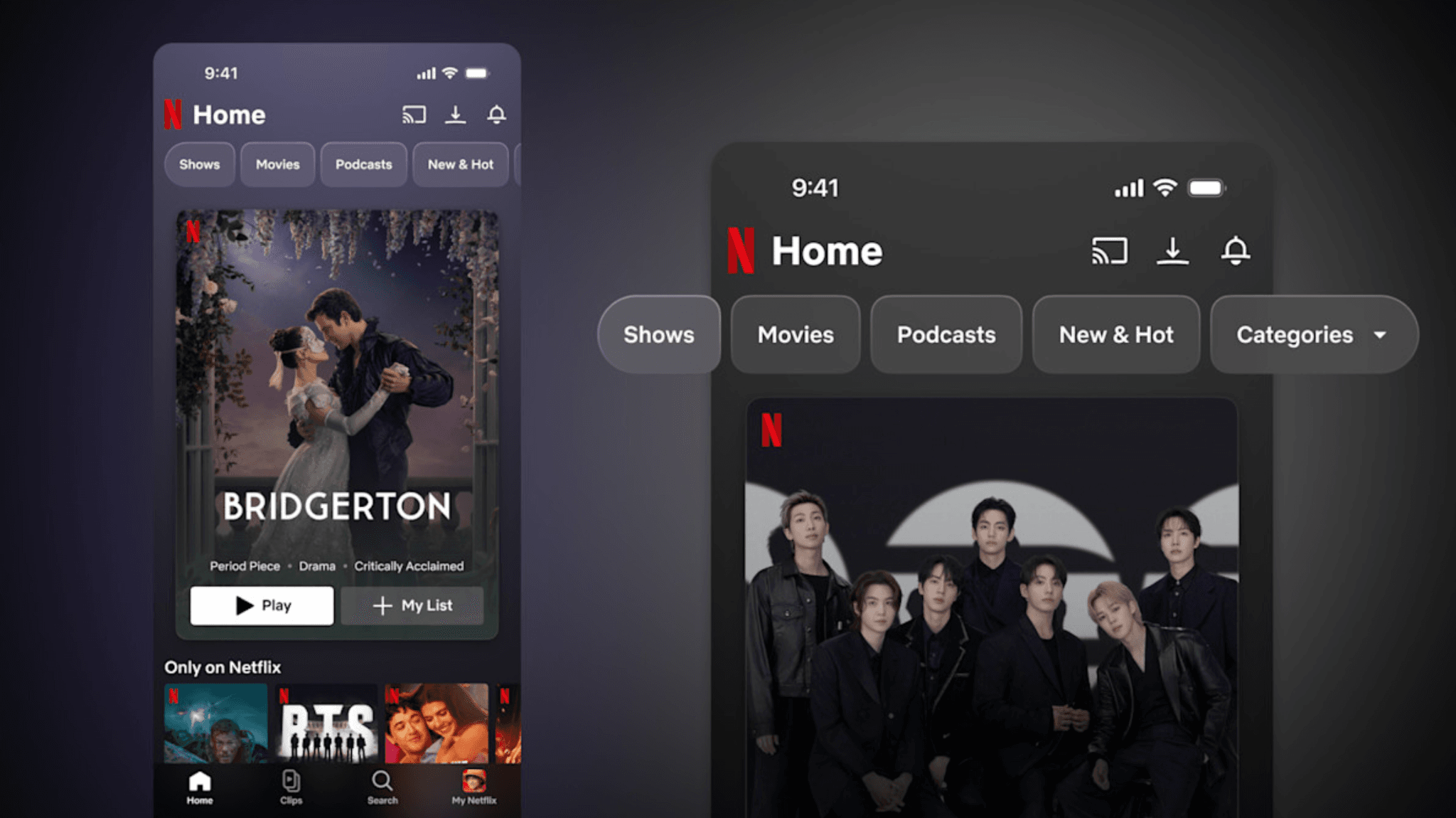
The recommendation system helps members find relevant titles within Netflix’s large content library. The platform adjusts its homepage based on viewing history, search behavior, language preferences, content genres, device usage, and other interaction signals. Two users in the same market may see different recommendations, title order, and cover artwork. The commercial value of this system lies in reducing the effort required to choose what to watch. Users who can quickly find appealing content are more likely to continue watching and retain their subscriptions.
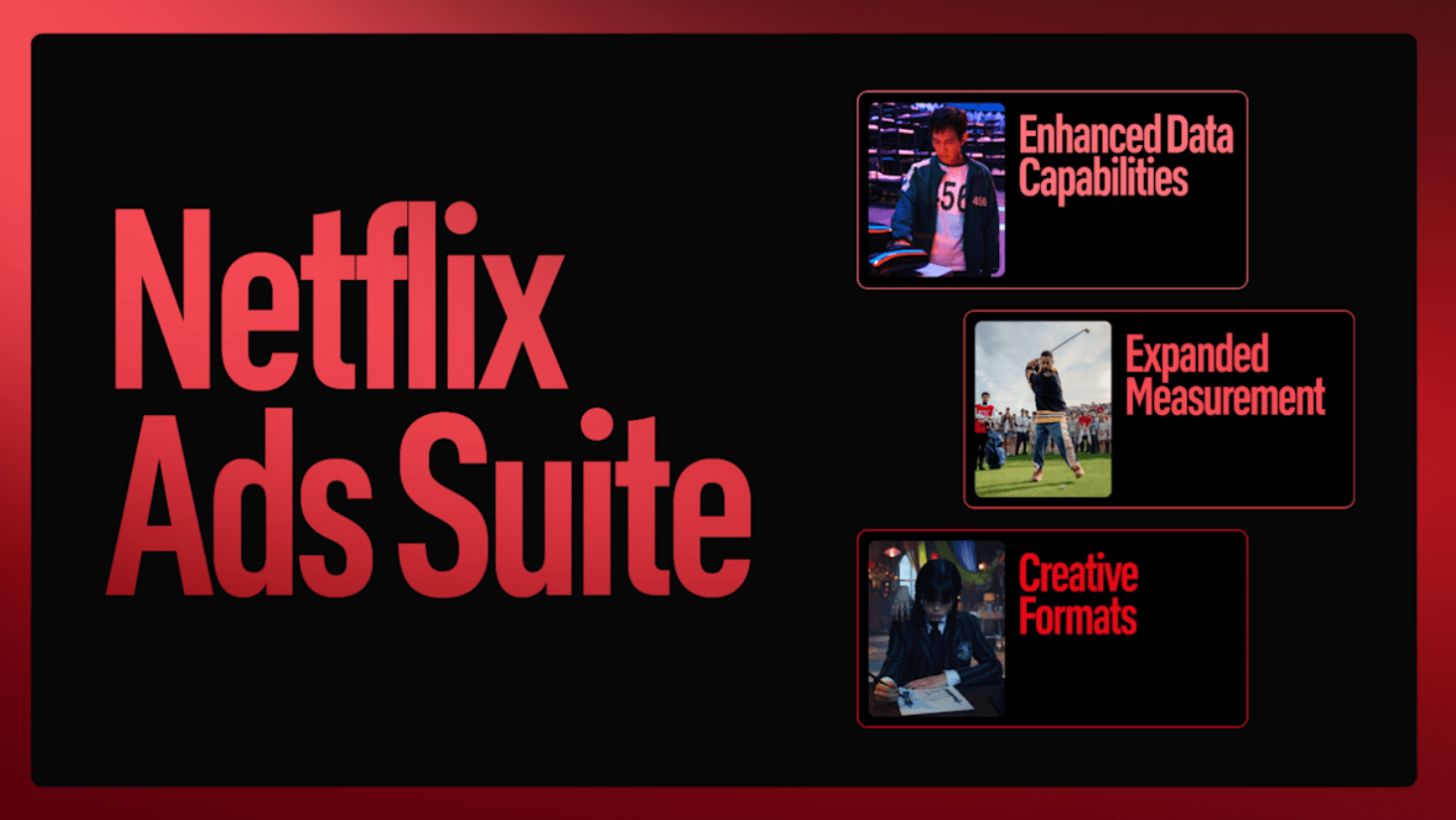
Netflix continues to earn most of its revenue from monthly subscription fees. It offers different plans based on the local market, video quality, number of supported devices, and advertising options. Members can choose the plan that best matches their needs. This recurring revenue model makes revenue more predictable, but it does not guarantee permanent customer retention. Price increases, weaker content appeal, lower household spending, or stronger competition may affect both new subscriptions and cancellations. The ad plan gives Netflix an additional source of revenue beyond membership fees. Users pay a lower subscription price and receive advertisements while watching content. Netflix then sells audience reach and advertising exposure to brands. To increase the value of its advertising inventory, the company must provide effective ad delivery, audience segmentation, performance measurement, programmatic buying, and brand-safety tools. Netflix expects its advertising revenue to reach approximately $3 billion in 2026. This would be close to twice the previous year’s level. The increase suggests that advertising is moving from a supplementary revenue stream toward a more important part of the company’s monetization strategy.
Netflix is also expanding into live programming, games, video podcasts, and creator-led content. These businesses may not yet generate revenue on the same scale as subscriptions. However, they can broaden the range of content available on the platform and reach users at different times of the day. They may also reduce Netflix’s reliance on traditional films and television series. In the first half of 2026, Netflix members watched more than 97 billion hours of content. This represented year-over-year growth of approximately 2%. Non-English-language content once again contributed more than one-third of total viewing hours, which highlights the importance of Netflix’s global content strategy.
NFLX (Netflix) market price & tokenomics
NFLX is the ticker symbol for Netflix common stock. It is not a cryptocurrency or an official blockchain token issued by Netflix. Therefore, NFLX has no mining mechanism, staking system, on-chain governance, token unlock schedule, burn mechanism, or smart contract address. Its market price is determined by supply and demand in the stock market. Behind that price is the market’s collective view of Netflix’s future revenue, profitability, and cash flow. When investors believe that membership monetization, advertising revenue, or operating margins can improve, they may be willing to assign the company a higher valuation. If revenue growth slows, content costs increase, or management guidance falls below expectations, the valuation may decline. NFLX will be influenced by more than the latest quarterly results. Its share price also reflects expectations for the company’s performance over the next several quarters or even years.
Based on the latest fundamentals in their report, Netflix generated approximately $12.56 billion in revenue during the second quarter of 2026. This represented year-over-year growth of 13.4%. Operating income reached approximately $4.19 billion, while the operating margin was 33.4%. The company narrowed its full-year revenue guidance to between $51.0 billion and $51.4 billion. It maintained its full-year operating margin target at 31.5%. However, Netflix forecast third-quarter revenue growth of 11.7%. This was below the 16.2% recorded in the first quarter and the 13.4% recorded in the second quarter. The figures show that Netflix is still expanding, but its growth rate is gradually slowing as the business becomes larger. The company already has strong cash flow, high margins, and a substantial global membership base. Investors must now decide whether it can continue generating double-digit revenue growth as it enters a more mature stage. If advertising, pricing changes, live programming, and other new content formats continue to raise revenue, profitability may improve further. If membership growth and viewing demand weaken, the market may reassess the valuation that NFLX deserves.
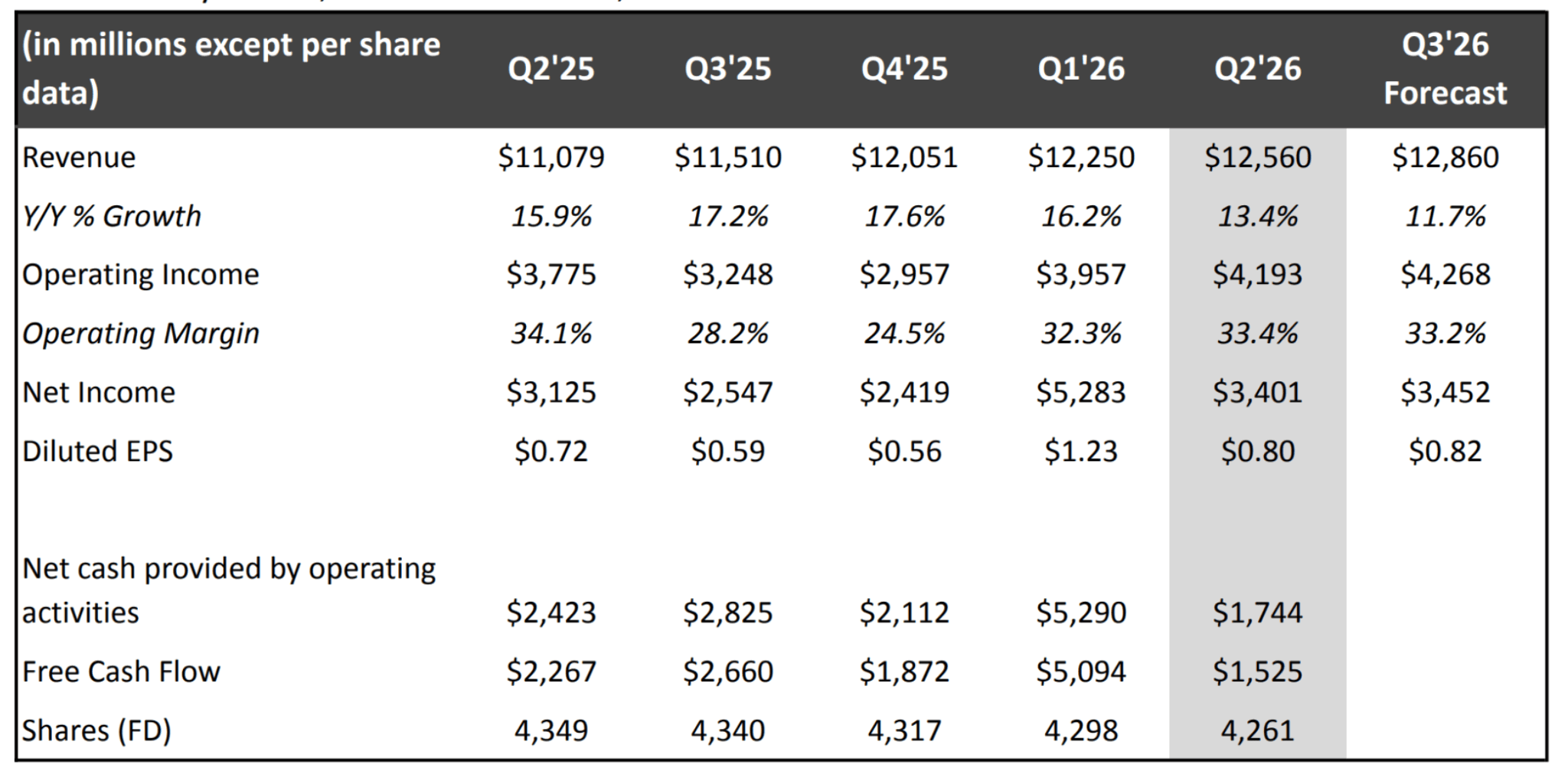
Netflix’s key financial results for the second quarter of 2026 and its third-quarter outlook. Source: https://s22.q4cdn.com/959853165/files/doc_financials/2026/q2/FINAL-Q2-26-Shareholder-Letter.pdf
Within the TradFi product ecosystem, NFLXUSDT is a perpetual contract that uses Netflix common stock, NFLX, as its underlying reference asset. USDT is used as the margin and settlement currency. NFLXUSDT is not the same as owning NFLX shares. Trading NFLXUSDT means holding a derivatives position whose value is linked to movements in the NFLX share price. NFLXUSDT traders do not become Netflix shareholders. They do not receive voting rights, dividend entitlements, or ownership claims over the company’s assets. NFLXUSDT is designed to track price changes in the NFLX stock price through a perpetual contract. Its profit and loss may be affected by the underlying NFLX price, leverage, funding rates, contract liquidity, and the platform’s risk-control mechanisms.
Trading NFLXUSDT also involves risks that do not apply in the same way to unleveraged spot shares. A perpetual contract has no fixed expiry date, so funding payments are used to keep its price close to the underlying reference price. When demand for long positions is stronger, long traders may need to pay funding fees. When demand for short positions is stronger, short traders may be required to pay. These accumulated costs can materially affect the final result of a long-term position. Moreover, leverage can also amplify both gains and losses. A trader may have the correct long-term view of Netflix’s business but still suffer losses because of short-term price volatility. If available margin falls below the required level, the position may be liquidated.
Why do you invest in NFLX (Netflix)?
Investors pay attention to NFLX because Netflix is at the intersection of global streaming scale and business-model diversification. In the past, its growth depended mainly on paid membership expansion and entry into new international markets. As the membership base becomes more mature, the company is now relying more heavily on pricing, ad-supported plans, live programming, games, and other forms of entertainment to increase the revenue generated by each member. Netflix has built a content distribution network that reaches major markets around the world. It can also take productions from different countries and introduce them to wider audiences through subtitles, dubbing, and personalized recommendations. This global content circulation model works alongside Netflix’s direct membership relationships, streaming technology, and brand strength. These capabilities make Netflix more than a producer of films and television series. It is a global entertainment platform that can convert content, viewing time, and audience scale into subscription revenue, advertising revenue, and free cash flow.
From this perspective, the investment case for NFLX is not based only on the remaining growth potential of the streaming market. It also depends on how the market values Netflix’s global membership base, content efficiency, advertising capabilities, and long-term earnings potential. The company expects advertising revenue to approach $3 billion in 2026 and free cash flow to reach approximately $12.5 billion. It also aims to maintain an operating margin above 30%. These figures suggest that Netflix is moving beyond a model focused mainly on subscriber expansion. It is placing greater emphasis on revenue quality, profitability, and capital returns.
However, the key question is whether Netflix can continue converting its large membership base into stable revenue, margins, and cash flow. If the ad plan attracts users in price, advertising technology continues to improve, and live programming brings in new members at a reasonable cost, the company’s revenue mix may become more diversified. If revenue growth continues to slow, content production and sports-rights costs rise, or price increases lead to member losses, profitability may come under pressure. Netflix also competes with other streaming services, traditional television, YouTube, open content platforms, games, short-form video, and social media for users’ time. Its advertising business is exposed to changes in advertiser demand, measurement capabilities, privacy regulation, and the overall viewing experience. These factors mean that the long-term value of NFLX will depend on Netflix’s ability to maintain content appeal, control costs, and build sustainable revenue from advertising, live programming, and other emerging businesses.
Explore the latest NFLX (Netflix) price and live chart, trade NFLX on FameEX, and access real-time market data! Get started now with a seamless trading experience!
Disclaimer: The information provided in this article is intended only for educational and reference purposes and should not be considered investment advice. Conduct your own research and seek advice from a professional financial advisor before making any investment decisions. FameEX is not liable for any direct or indirect losses incurred from the use of or reliance on the information in this article.