FameEX Today’s Crypto News Recap | July 20, 2026
2026-07-20 07:46:27

Allbridge hacked, Japan logistics adopts JPYC, South Korea probes crypto fraud, and CLARITY stalls. Bitcoin hovers near $64K with a total of $116M in liquidations. The BTC price is hovering between $64K and $65K today. It briefly returned to $65K before pulling back to consolidate near $64K, which reflects an ongoing struggle between short-term buyers and sellers. ETH remained largely within the $1,850 to $1,870 range. Its price movements were relatively limited, and the market has yet to establish a clear directional trend. The Crypto Fear & Greed Index currently stands at 29, which remains in the Fear zone. This is slightly higher than yesterday’s reading of 28, but overall investor sentiment remains cautious. Total crypto liquidations reached approximately USD 116 million over the past 24 hours. Long liquidations accounted for USD 52.9159 million, while short liquidations reached USD 62.7055 million. This indicates that both sides were affected by repeated intraday price swings. BTC long and short liquidations totaled USD 7.7408 million and USD 13.1856 million, respectively. ETH long liquidations reached USD 12.9174 million, while short liquidations totaled USD 15.9633 million. Around 69,409 traders had leveraged positions liquidated over the past day. Although the market did not experience a major one-way move, highly leveraged positions continued to face significant risk. Liquidation data shows that cumulative long liquidation pressure across major CEXs could reach USD 886 million if BTC falls below $61,662. In contrast, cumulative short liquidation pressure could reach USD 806 million if BTC breaks above $67,646. Similar-sized liquidation clusters are positioned on both sides of the market. As a result, BTC remains sensitive to concentrated position closures and shifts in market liquidity. Developments in traditional finance and regulation are also keeping the market on edge. These include the compliance countdown under stablecoin legislation, as well as rising geopolitical tensions in the Middle East. Concerns over safe-haven demand and potential disruptions to energy supplies continue to introduce complex external risks and structural challenges for the digital asset market.
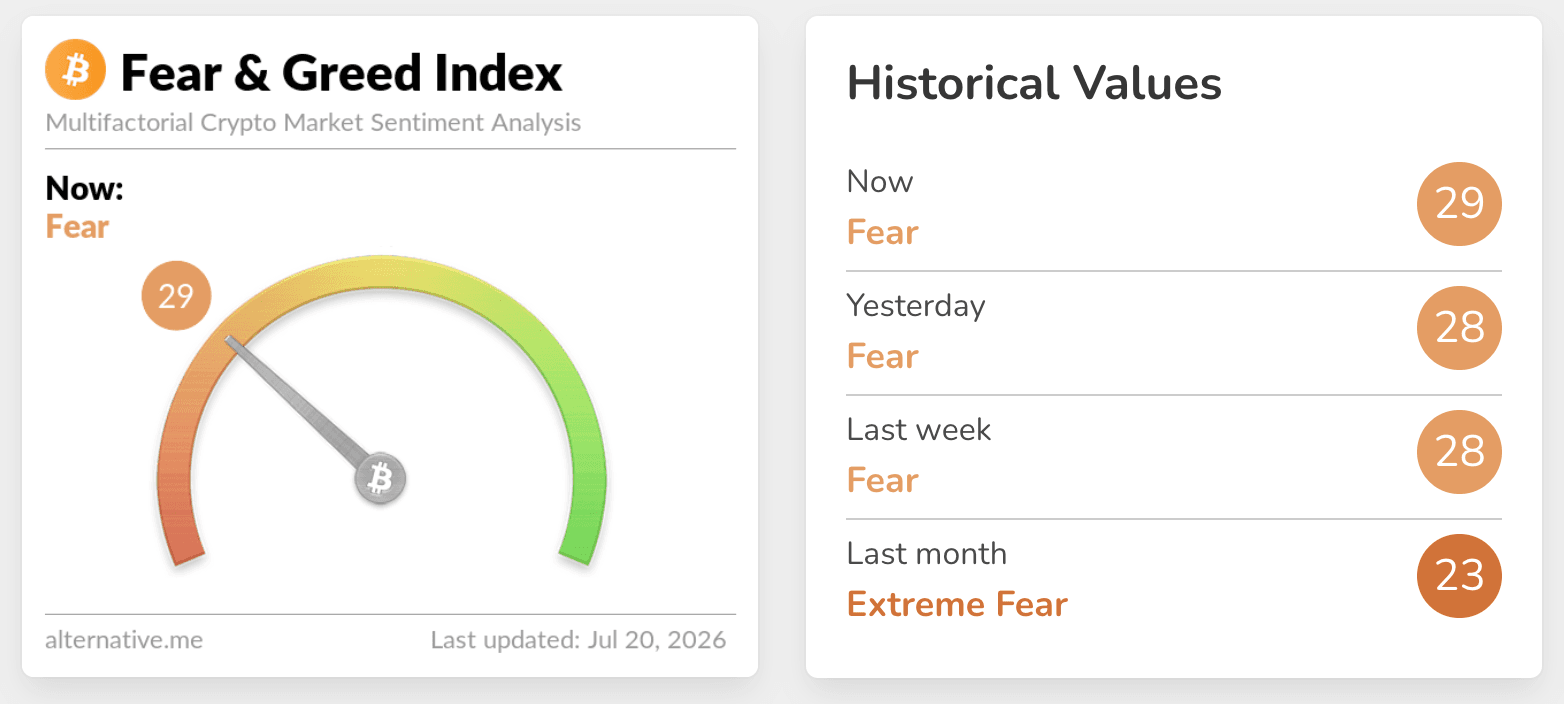
Source: Alternative
Key News Highlights:
Allbridge Core Pauses Cross-Chain Bridge After Exploit
Cross-chain stablecoin bridge Allbridge Core announced that it had paused the protocol following a security incident. The team is investigating how the attack occurred and tracking the movement of the affected funds. Several on-chain security firms estimate that the exploit resulted in losses of approximately USD 1.65 million. The incident mainly affected Allbridge Core’s deployment on Solana. On-chain records indicate that the attacker first borrowed around USD 1.12 million in USDC through a flash loan. The funds were then used to conduct several rapid swaps between USDC and USDT. These transactions temporarily altered the asset balance within the stablecoin liquidity pool and distorted the exchange rate used by the protocol. The attacker then withdrew liquidity at the manipulated rates. After repaying the flash loan, the attacker retained the remaining funds. Part of the stolen assets was bridged from Solana to Ethereum and later transferred into privacy-focused on-chain pools. Allbridge Core has asked liquidity providers in the affected pools to withdraw their funds. The team said it would continue assessing the full impact of the incident. It also called on participants who profited from arbitrage opportunities created by the pool imbalance to return those gains. Any returned funds would be used to compensate affected liquidity providers. This is not the first time Allbridge has experienced a flash loan attack. In 2023, some of its liquidity pools also suffered losses after attackers exploited weaknesses in the protocol’s pricing mechanism.

Japanese Logistics Company Plans to Pay Around 2,300 Partners in JPYC
Japanese logistics company AZ-COM Maruwa Holdings plans to adopt the yen-denominated JPYC stablecoin. It intends to use JPYC to pay transportation fees and compensation to around 2,300 business partners and individual contractors. The recipients will include small and medium-sized logistics operators, as well as independent truck drivers responsible for transporting goods. The initiative is expected to become the first large-scale corporate use of JPYC in Japan. Logistics companies traditionally process partner payments according to fixed settlement schedules. By using JPYC, AZ-COM Maruwa could make payments more frequently and shorten the time required for funds to reach recipients. JPYC transfers do not carry standard bank transfer fees. This could help smaller logistics operators reduce the costs associated with receiving frequent payments. AZ-COM Maruwa serves major e-commerce and retail companies in Japan. Its operations depend on a broad external network of transportation partners to complete deliveries. The company is also considering a business partnership with JPYC Inc. and may invest more than JPY 1 billion, or approximately USD 6.2 million. JPYC is a yen-denominated stablecoin that can be transferred through blockchain networks. It can also be redeemed for Japanese yen under the applicable service terms. More frequent settlement could reduce the time logistics partners must wait to receive payment after completing delivery work. JPYC Inc. said it would continue integrating logistics operations with commercial payment systems.
South Korea Investigates Over 40 Cases of Unfair Crypto Trading
South Korean financial authorities said they have investigated more than 40 cases of unfair trading in the crypto market since the Virtual Asset User Protection Act took effect in July 2024. The cases involved market manipulation, fraudulent trading, insider trading and abnormal order activity designed to influence token prices. More than 30 cases were reported or referred to investigative authorities. A total of 25 suspects have been identified. Regulatory data shows that the average illicit gain in each case was approximately KRW 1.4 billion, or around USD 940,000. Some cases involved several virtual assets. The individuals involved used tactics such as concentrated buying, wash trading and repeated order placement to create the appearance of active market demand. The Virtual Asset User Protection Act requires virtual asset service providers to separate user deposits and digital assets from their own corporate holdings. They must also continuously monitor abnormal trading activity. Platforms are required to report unusual changes in prices, trading volume or order behavior to financial authorities. The law also gives the Financial Services Commission and the Financial Supervisory Service the authority to inspect virtual asset service providers and investigate unfair trading practices. South Korean regulators said they plan to expand the use of artificial intelligence in market surveillance. They will also improve investigation and early-warning systems for trading patterns that present a higher level of risk.
Ethics Dispute Complicates US CLARITY Act Vote
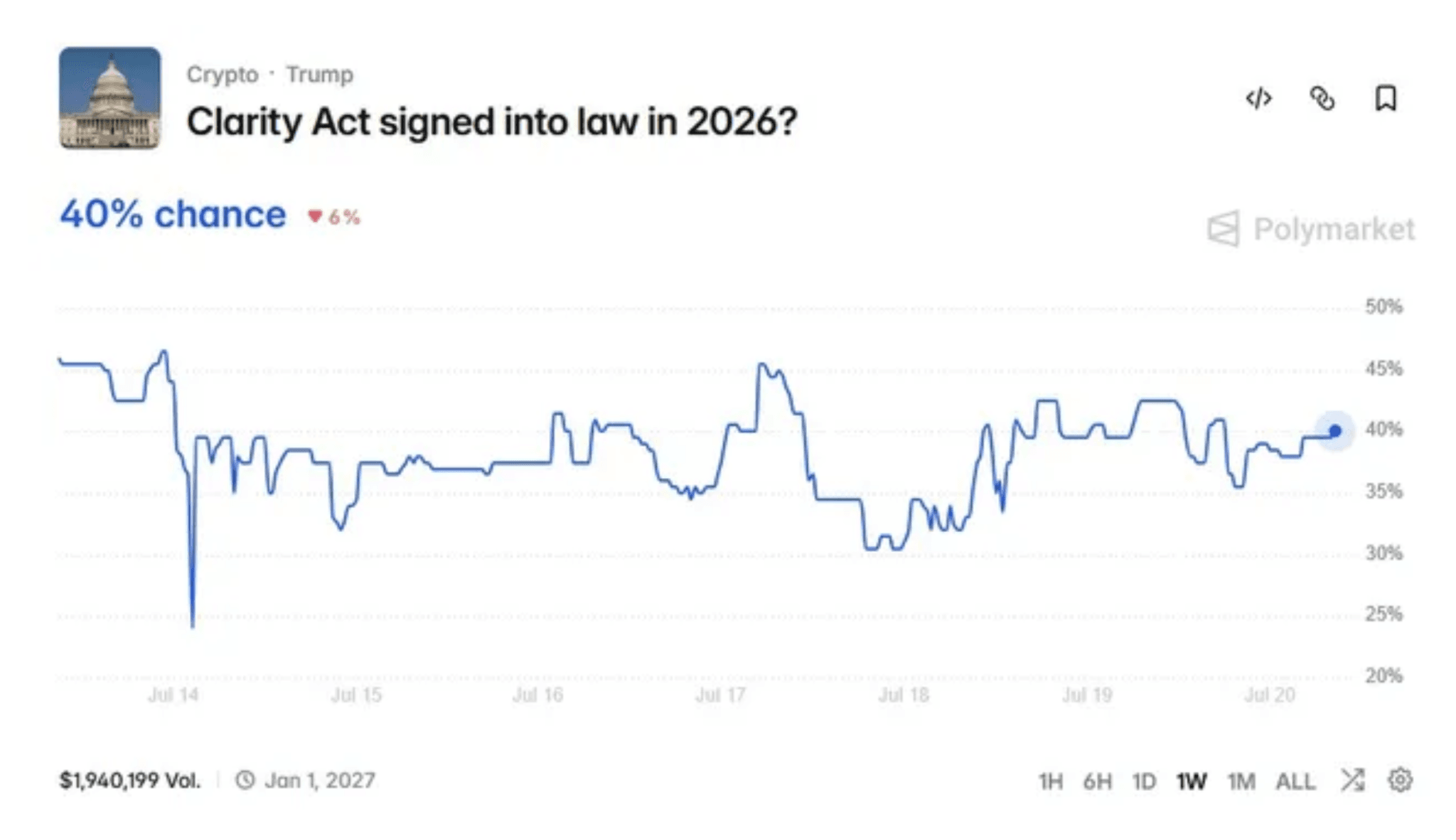
The US digital asset market structure bill known as the CLARITY Act is awaiting further consideration in the Senate. Its progress has been complicated by disagreements over political ethics provisions. The bill passed the Senate Banking Committee in May 2026 by a vote of 15 to 9 and was then sent to the full Senate. It aims to establish a federal regulatory framework for the US digital asset market. The legislation would also further define the respective responsibilities of the Securities and Exchange Commission and the Commodity Futures Trading Commission. Several Democratic senators have called for restrictions on elected officials who hold, issue or promote crypto assets. They argue that such provisions are necessary to address potential conflicts of interest. Lawmakers have also asked President Donald Trump to disclose his latest crypto-related earnings. They want the financial interests of political figures in digital assets to be included in the broader legislative debate. Advancing the bill in the Senate would normally require at least 60 votes. Securing sufficient bipartisan support has therefore become an important condition for the next stage of the process. Prediction markets currently place the probability of the CLARITY Act becoming law in 2026 at around 40%. This is lower than earlier market expectations. Republican Senate leaders have said that a vote is expected before the August recess, although no official date has been announced. In addition to political ethics provisions, lawmakers are still discussing decentralized finance, anti-money laundering enforcement, software developer liability and the regulation of digital asset intermediaries.
Disclaimer: The information provided in this section is for informational purposes only and doesn't represent any investment advice or FameEX's official view.