FameEX Today’s Crypto News Recap | August 10, 2026
2026-08-10 07:05:32

Australia halts Cryptolink ATMs as BIP-110 stalls and Brazil tightens crypto transfer checks; today’s BTC trades above $65K amid Fear sentiment. The crypto market has recently remained range-bound, with performance diverging across sectors. Bitcoin climbed above $65K with a 0.57% gain over the past 24 hours, while Ethereum moved above $1,900 and rose 0.48%. The Crypto Fear and Greed Index currently stands at 30, keeping market sentiment in the Fear zone. Market data also shows that Bitcoin’s concentration ratio has risen to 14.8% and is gradually approaching a historically high-volatility range. This suggests that the potential for larger price swings is building. In the derivatives market, cumulative long liquidation intensity across major crypto exchanges could reach USD 755 million if Bitcoin falls below $62,171. A move above $68K could instead expose approximately USD 752 million in cumulative short liquidation intensity. For Ethereum, a drop below $1,831 could result in USD 542 million in long liquidation intensity, while a move above $2,011 could expose around USD 496 million in short positions. On the capital flow side, U.S. spot Bitcoin ETFs recorded USD 854 million in total net inflows this week. BlackRock’s IBIT led the market with USD 694 million in weekly net inflows. Total net assets held by spot Bitcoin ETFs have now reached USD 79.5 billion. Sector performance remains mixed rather than broadly positive. Meme, Layer 1, and PayFi posted modest gains, while DeFi, AI, and GameFi moved lower to varying degrees. GameFi fell nearly 4% over the past 24 hours. The current market structure combines improving spot ETF flows with cautious investor sentiment and greater leverage concentration in derivatives. Short-term trading conditions remain highly sensitive to key price levels.
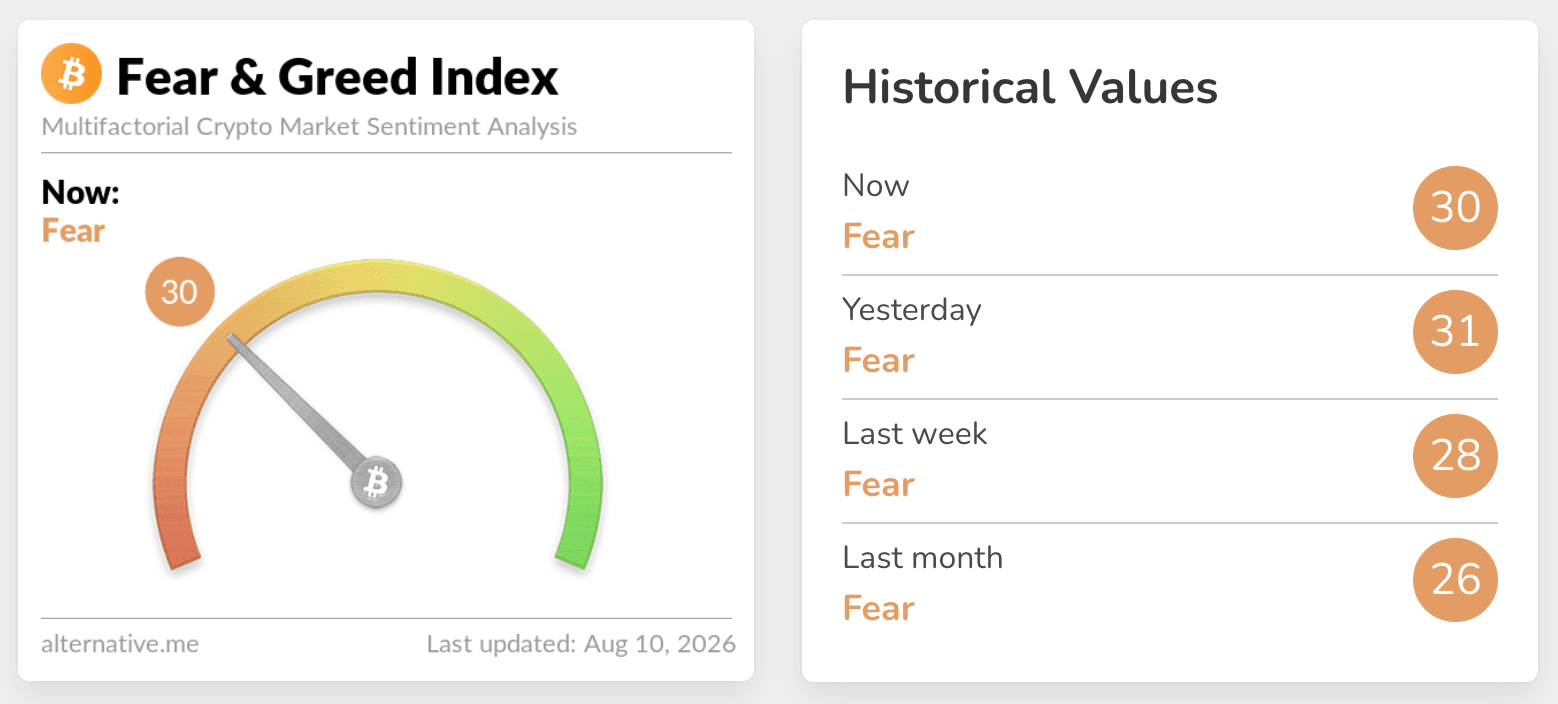
Source: Alternative
Key News Highlights:
Australian Regulator Orders Cryptolink Bitcoin ATMs Offline
Australia’s financial crime regulator AUSTRAC has taken further action against crypto ATM operator Cryptolink by suspending its Virtual Asset Service Provider registration for three months. The company’s Bitcoin ATMs will not be permitted to operate during the suspension period. AUSTRAC said the decision reflects ongoing concerns over Cryptolink’s ability to meet anti-money laundering obligations and manage high-risk transactions. The regulator found deficiencies in several basic reporting requirements, including threshold transaction reports that must be submitted once transactions meet specified limits. Cryptolink also failed to provide certain information requested by AUSTRAC. This raised further concerns about whether its internal compliance framework could adequately manage higher-risk crypto activity. The latest action is not the company’s first regulatory issue. Cryptolink entered into an enforceable undertaking with AUSTRAC in October 2025 after authorities identified delayed transaction reporting and weaknesses in its risk assessments. AUSTRAC also issued an infringement notice of USD 56,340, which Cryptolink subsequently paid. The company currently operates around 96 crypto ATMs across Australia. Most are located in major cities such as Sydney, Melbourne, and Brisbane, where users can exchange cash for Bitcoin. Australia has one of the largest crypto ATM networks in the Asia-Pacific region. Local authorities have stepped up scrutiny of fraud and money laundering risks linked to these machines since late 2024. The three-month suspension highlights the growing regulatory focus on transaction reporting, customer risk controls, and anti-money laundering procedures among crypto ATM operators.
BIP-110 Enforcing Branch Stalls as Gap With Bitcoin Main Chain Widens
Bitcoin’s BIP-110 enforcing branch has struggled to maintain block production since mandatory signaling began. The branch produced only two blocks before stalling at block height 961,633, while the regular Bitcoin network continued to advance. By the time the non-enforcing chain reached block 961,721, the gap between the two branches had widened to 88 blocks. BIP-110 entered its mandatory signaling phase at block 961,632. During the preceding 2,016-block period, only 51 blocks signaled support for the proposal. This represented approximately 2.53% of the total. Under the current design, nodes enforcing BIP-110 reject blocks that do not signal support through the required version bit. Standard Bitcoin nodes do not apply the same restriction and continue to accept both signaling and non-signaling blocks. Mandatory signaling is scheduled to remain in effect through block 963,647. Until the enforcing branch completes the current 2,016-block difficulty period, it must continue mining at Bitcoin’s existing full difficulty. The branch currently has limited hashpower support, which has significantly slowed block production and prevented it from advancing at the pace of the broader Bitcoin network. A pseudonymous mining group known as Roughnecks mined the branch’s first two blocks through Ocean’s DATUM protocol. However, no substantial increase in hashpower has followed. BIP-110 has also remained controversial within the Bitcoin community. Some industry participants acknowledge the proposal’s goal of addressing certain uses of on-chain data but have raised concerns about enforcing these restrictions through consensus rules. With the branch operating under low hashpower and full mining difficulty, future miner participation and progress through the mandatory signaling period remain key developments in the ongoing Bitcoin governance debate.
Brazil Introduces Up to 24-Hour Review Period for High-Risk Crypto Transfers
The Central Bank of Brazil has announced stricter anti-fraud rules for virtual asset transactions. Under the new framework, local Virtual Asset Service Providers will be required to place precautionary holds of up to 24 hours on certain transfers to overseas platforms or self-custody wallets. The requirement applies to individual transactions above $10,000 and to cases where a customer’s total transactions exceed the same threshold within a single day. Transactions below that amount may also be held if a provider’s internal risk management system determines that further review is required. The new rules will take effect on January 1, 2027. Providers will be required to notify customers when a transfer has been placed under review. They must also maintain records of confirmed fraud cases, attempted fraud, and any corrective measures taken afterward. The 24-hour period is a maximum rather than a mandatory waiting time for every affected transaction. Providers may release funds earlier if they complete their review and meet the assessment requirements established by the central bank. The measure is designed to address the speed and cross-border nature of digital asset transfers. Fraudulent funds can often be moved rapidly to overseas services or wallets controlled directly by individuals. Other markets have recently introduced similar safeguards. These include preregistering withdrawal addresses, applying waiting periods to newly added addresses, and strengthening phishing-resistant multifactor authentication. Brazil’s approach places these controls directly within a binding regulatory framework. It also increases the responsibility of virtual asset service providers to review and document potentially suspicious cross-border and self-custody wallet transfers.
Disclaimer: The information provided in this section is for informational purposes only and doesn't represent any investment advice or FameEX's official view.