FameEX Today’s Crypto News Recap | August 12, 2026
2026-08-12 06:50:42

CFTC keeps Kalshi operating in New York, Ravencoin faces chain reorg risk, and SEC weighs crypto rules after CLARITY stalls; today’s BTC trades at $62K–$66K. The crypto market has remained in the range while Bitcoin continues to fluctuate between $62K and $66K. The market sentiment index shows that fear has eased slightly but remains at 27, keeping sentiment firmly in the Fear zone. This reflects continued caution among investors ahead of key economic data releases and amid renewed inflation concerns. Institutional positioning has also shown signs of divergence. Japan-listed Metaplanet, which holds 43,000 BTC, recently transferred 3,881 BTC worth USD 247.3 million. Its overall Bitcoin holdings are currently sitting on an unrealized loss of approximately USD 1.4 billion. In the ETF market, U.S. spot Bitcoin ETFs recorded a modest net inflow of USD 4.8862 million yesterday. BlackRock's IBIT alone posted a daily net inflow of USD 50.1956 million, bringing its cumulative net inflows to USD 6.1172 billion. Spot Ethereum ETFs, by contrast, recorded net outflows of USD 1.7644 million. Derivatives data also shows concentrated liquidation exposure on both sides of the market. If Bitcoin rises above $66,820, cumulative short liquidation intensity across major CEXs could reach USD 1.326 billion. A decline below $60,645 could expose approximately USD 1.048 billion in long liquidations. For Ethereum, a move above $1,974 could trigger USD 596 million in short liquidation intensity, while a drop below $1,788 could put around USD 581 million in long positions at risk. Meanwhile, traditional markets continue to face inflation concerns linked to rising oil prices, while spot gold remains elevated near $4,411.72. Against this backdrop, the crypto market is still waiting for fresh macroeconomic data and policy developments that could provide clearer direction for the current trading range.
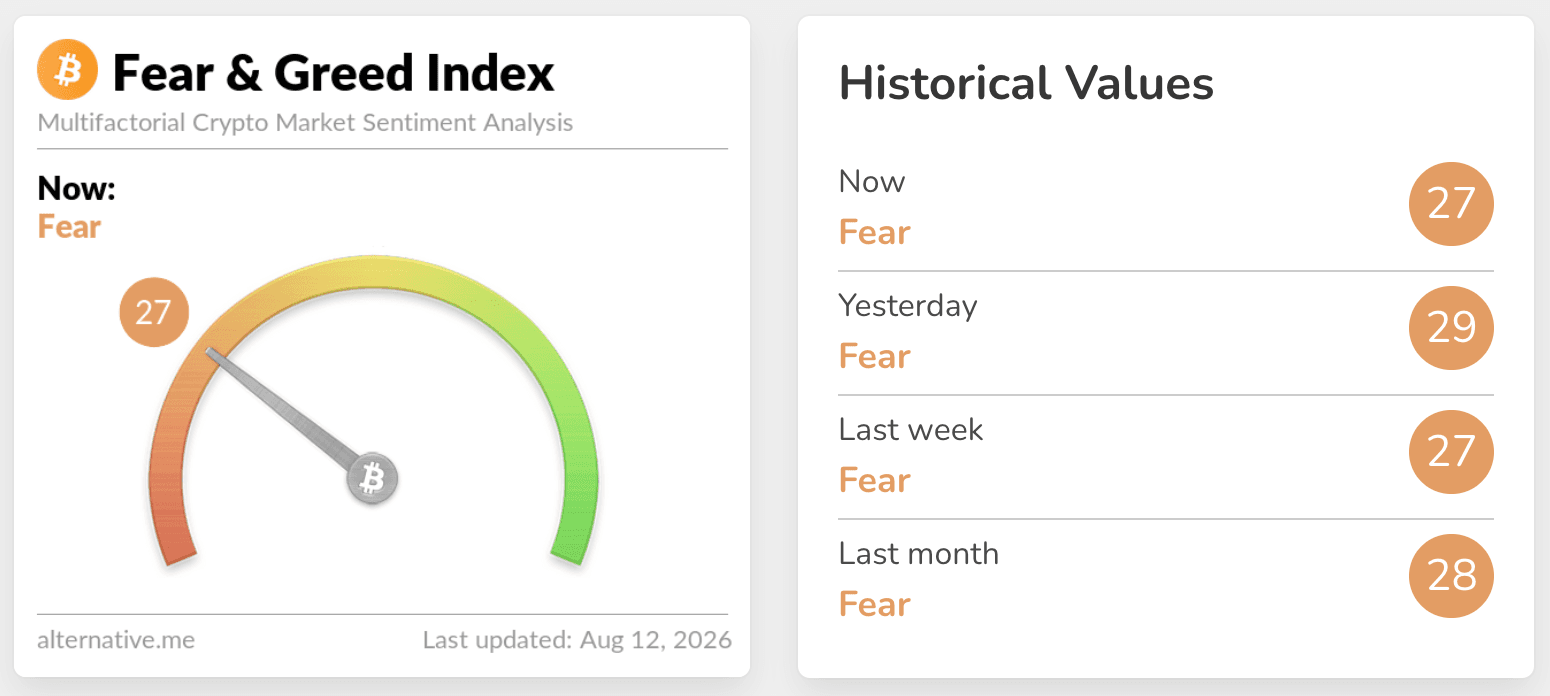
Source: Alternative
Key News Highlights:
CFTC Invokes Emergency Authority to Keep Kalshi Operating During New York Dispute
The U.S. Commodity Futures Trading Commission has invoked its emergency authority and ordered prediction market platform Kalshi to continue normal operations while its legal dispute with New York state remains unresolved. The move further escalates the jurisdictional conflict between federal and state authorities over the regulation of prediction markets. New York previously sought a temporary restraining order that would prevent Kalshi from offering contracts tied to sports, culture, elections, and other events within the state. The CFTC argued that New York's enforcement action and its attempt to restrict Kalshi's operations constituted a market emergency. It therefore directed the platform to continue operating under its existing practices and the relevant Core Principles of the Commodity Exchange Act. The regulator also noted that Kalshi is based in New York, meaning restrictions imposed by the state could potentially affect the platform's ability to offer event contracts nationwide. At the center of the dispute is whether federal law gives the CFTC exclusive authority over federally regulated event contracts and whether individual states can separately restrict such products under gambling laws. New York argues that some of Kalshi's event contracts amount to unlicensed gambling and is seeking restitution, disgorgement, damages, and other penalties. Kalshi maintains that states should not be able to block the operations of a federally regulated contract market through local gambling laws. The CFTC has also argued that the Commodity Exchange Act was designed to support a consistent national framework for U.S. derivatives markets rather than a fragmented system of conflicting state rules. However, the CFTC's latest order does not end New York's lawsuit and does not constitute a final judicial decision on whether federal law overrides state gambling regulations. Similar disputes have also emerged in other states. This has made the legal classification of prediction market event contracts an increasingly important issue in the U.S. regulatory landscape.
Ravencoin Consensus Exploit Raises Reorganization Risk as RVN Hits Record Low
The Ravencoin network has encountered a consensus vulnerability that caused some nodes to accept invalid blocks. The issue has placed several days of confirmed transactions at risk of being reorganized and pushed RVN to an all-time low. According to the project, the first known invalid block appeared at block height 4,487,776. Additional invalid blocks exploiting the same vulnerability were later observed on the mainnet. Because different nodes may now disagree on which blocks are valid, the network has split into competing chains and transaction finality has become less certain. Major mining pools controlling most of Ravencoin's hash rate are building a separate chain that excludes the affected blocks. The miners are attempting to extend the blockchain again from the point immediately before the exploit began. If this competing chain ultimately becomes dominant, Ravencoin could undergo a blockchain reorganization spanning approximately three days. Transactions confirmed after block 4,487,775 could therefore be reversed. Reversed transactions may not automatically return to the mempool or be included in future blocks. To reduce the risk of transactions being rolled back or processed incorrectly before the network stabilizes, Ravencoin has advised trading platforms to suspend RVN deposits and withdrawals. Several major trading platforms subsequently halted RVN transfers, although spot trading remained available on some platforms. RVN briefly fell to around $0.002754, approximately 22% below its earlier 24-hour high of $0.003529. Attention is now focused on whether the miner-backed chain can establish stable consensus and how transactions completed during the affected period will ultimately be handled. The outcome will depend on the network's reorganization process and the successful synchronization of Ravencoin nodes.
SEC to Discuss Tailored Crypto Offering Rules as CLARITY Act Progress Stalls
The U.S. Securities and Exchange Commission has announced an open meeting to discuss a tailored offering framework for certain investment contracts involving crypto assets. The meeting comes as progress on broader crypto market structure legislation has slowed in Congress. The SEC is expected to consider how specific crypto assets could be issued under rules better suited to their characteristics. It may also address challenges that arise when existing securities laws are applied to digital assets. The development follows the Senate's failure last week to advance the CLARITY Act, delaying legislation that was intended to establish a more comprehensive regulatory framework for the digital asset market. One of the bill's main objectives is to provide a clearer division of regulatory responsibilities between the SEC and the CFTC across different types of digital assets and market activities. SEC Chair Paul Atkins previously said that the agency was prepared to develop certain digital asset rules within its existing authority if Congress was unable to complete legislation in time. The SEC has maintained that congressional action remains important for creating a durable and comprehensive market structure. It has therefore continued to support bipartisan efforts to advance the CLARITY Act. At the same time, the agency plans to move forward with rules that can be implemented under its current statutory authority, particularly for crypto-related activities that may involve investment contracts or securities laws. However, SEC rulemaking remains constrained by the limits of its legal mandate and cannot fully replace legislation that formally reallocates responsibilities between the SEC and the CFTC. The CLARITY Act may still advance when the Senate returns from recess, although it would need to clear additional procedural and legislative hurdles. U.S. crypto regulation is therefore progressing along two parallel tracks: agency rulemaking and congressional legislation. The SEC's upcoming meeting will be an important development in determining how the regulator intends to address digital assets within its existing authority.
Itaú Joins Brazil Tokenization Pilot With OpenAssets
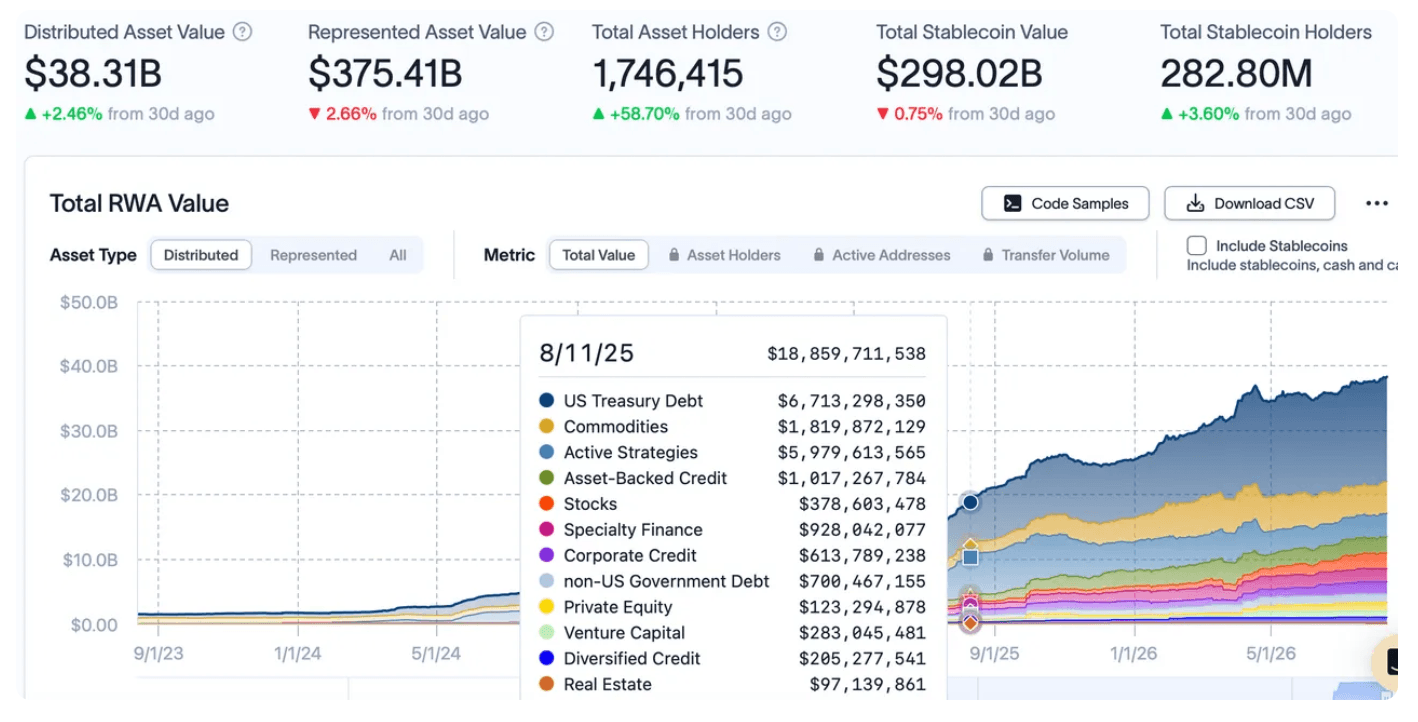
Brazilian private-sector banking giant Itaú has partnered with digital asset infrastructure provider OpenAssets to participate in an industry tokenization pilot led by the Brazilian Financial and Capital Markets Association, or ANBIMA. The initiative will test the use of distributed ledger technology for the issuance and operation of fixed-income securities and investment funds. The project is examining how traditional capital market instruments can be issued, traded, and settled through DLT infrastructure. It also assesses the technical and compliance requirements that financial institutions would need to meet when adopting tokenized asset frameworks. Itaú and OpenAssets will jointly develop technical proofs of concept, with corporate debt instruments and investment funds among the main use cases under review. OpenAssets will provide the tokenization infrastructure, while Itaú will contribute expertise in capital markets, financial products, and institutional processes. The two companies will also evaluate operational, regulatory, and integration requirements to determine how tokenized assets could fit within existing institutional financial frameworks. ANBIMA previously selected 20 use cases from 39 proposals submitted by more than 50 banks, asset managers, and technology companies. The pilot is currently being conducted on a private permissioned DLT network in a simulated environment and does not involve real financial transactions. This structure allows participants to test token issuance, asset transfers, trading, and settlement while examining how traditional financial regulations can interact with distributed ledger infrastructure. According to current market data, the value of tokenized real-world assets deployed on public blockchains has increased from approximately USD 18.9 billion to USD 38.3 billion over the past year. U.S. Treasury securities remain the largest category. Itaú's participation expands the scope of practical tokenization testing among major Brazilian financial institutions and places fixed-income securities and investment funds among the key institutional use cases being explored for blockchain-based capital markets.
Disclaimer: The information provided in this section is for informational purposes only and doesn't represent any investment advice or FameEX's official view.