AGT (Alaya AI) Token Price & Latest Live Chart
2026-04-29 11:58:56

What is AGT (Alaya AI)?
Alaya Governance Token is the core economic and governance credential that supports the operation of the Alaya AI ecosystem. As a BEP20 token built on BNB Smart Chain, AGT was designed to address two structural challenges in AI development: the growing data bottleneck and the unequal distribution of data value and privacy rights. After its official launch in April 2025, AGT became the economic bridge between distributed data contributors around the world and advanced AI model developers that require scalable and high-quality training data. Through blockchain based coordination, the token helps make data contribution more transparent and reward distribution more traceable across the network. Alaya AI itself is positioned as an open and composable Web3 AI data infrastructure network. Its core mission is to use AGT as the incentive and coordination layer that brings global knowledge communities into AI model training, validation, and ongoing optimization. In traditional AI development, high quality data acquisition and labeling are often concentrated in the hands of a few major technology firms. This allows centralized institutions to capture a disproportionate share of data value. AGT was introduced as part of a different model, one that allows ordinary users and small to medium sized AI builders to participate more directly in the creation and distribution of data value.
Through the innovation of AI model tokenization, community members can stake AGT into specific AI model staking pools and directly support the fine tuning and development of models in targeted technical fields. This structure gives early stage AI projects a more flexible way to secure both funding and relevant training data. It also allows token holders to participate in the development path of decentralized AI technologies through an active coordination mechanism rather than a passive holding model. Alaya AI also emphasizes customizable Web3 reward structures that can support data tokenization through custom data pools and tailored data requests. This makes AGT more than a payment asset inside the ecosystem. It functions as the core medium through which data demand, community contribution, and model development are connected within the same network.
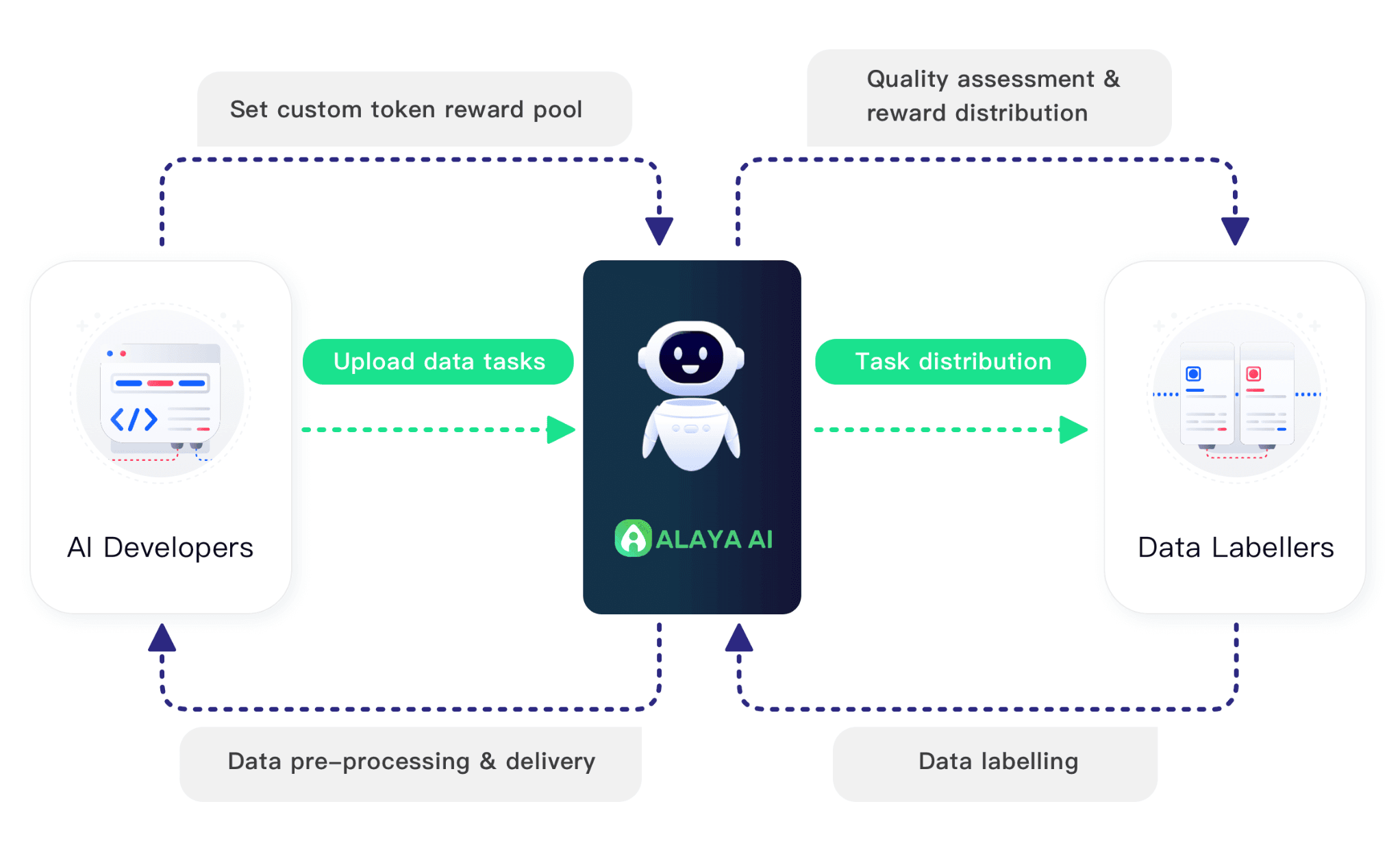
Tokenising data through customisable Web3 incentives, Source: https://www.aialaya.io/#/platform
In addition, AGT plays a critical catalytic role in what can be described as the monetization of knowledge. It converts previously overlooked community labor and fragmented expertise into highly liquid digital value within the Alaya AI system. The latest platform figures from April 2026 show that this incentive structure succeeded in attracting millions of cross border users, while the gamified task interface turned data labeling from a repetitive workflow into a more engaging contribution experience. The utility of AGT extends well beyond simple reward distribution. It also reaches into access control for advanced tasks, targeted participation in model related processes, and the verification of experts in specialized fields. This breadth of utility gives AGT more than exchange value in the global crypto market. It gives the token a strong productive role as a credential for accessing high quality AI training resources and participating in decentralized governance across the Alaya AI ecosystem.
How does AGT (Alaya AI) work?
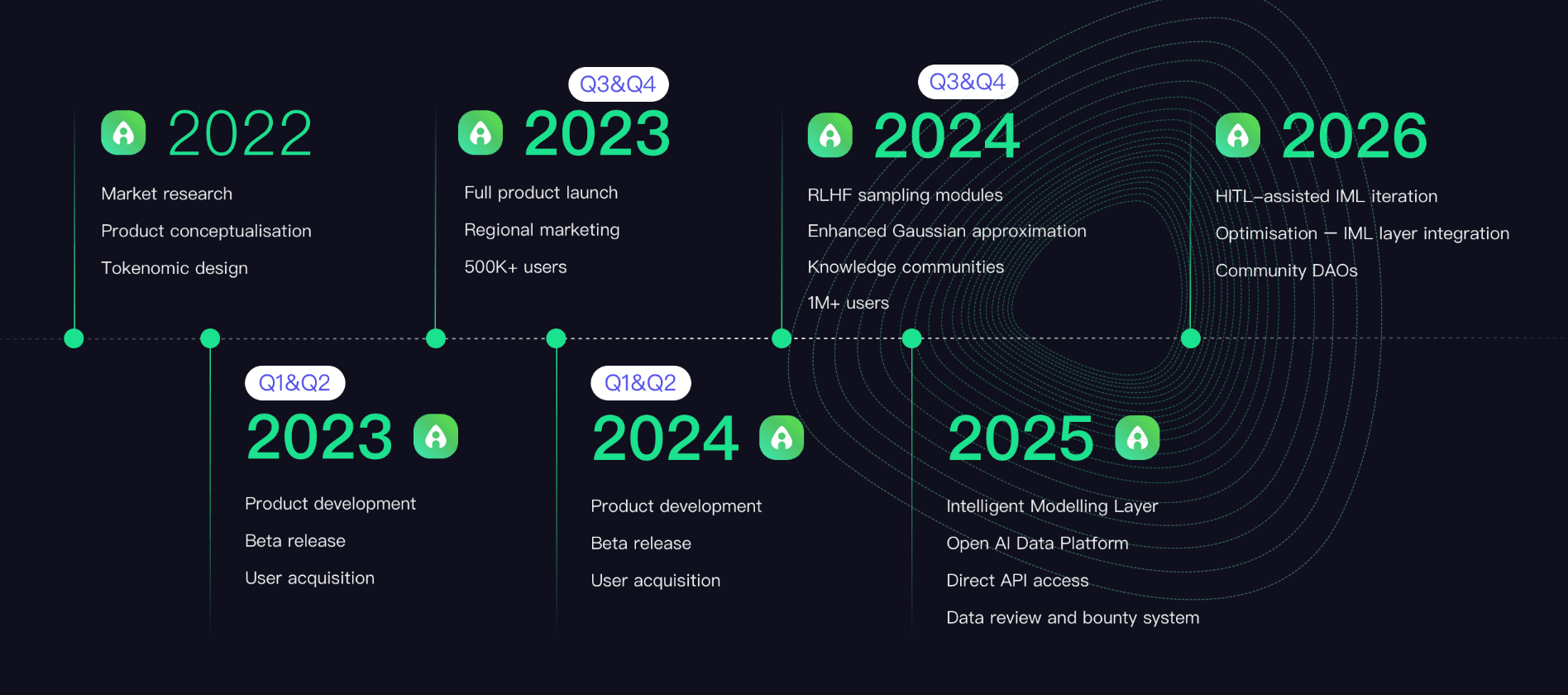
The technical core of Alaya AI is a coordinated system built around a three layer optimization architecture. These layers are defined as the Interaction Layer, the Optimization Layer, and the Intelligent Modelling Layer. In the Interaction Layer, users from around the world connect to the platform through the mobile application or browser based dApp and convert fragmented personal time into primary data outputs for AI training. The Optimization Layer is responsible for automated preprocessing and strict data quality verification. According to the official materials, it applies Gaussian approximation and particle swarm optimization algorithms to process large volumes of collected data and ensure that the final datasets meet precise technical requirements before delivery. At the base of the system, the Intelligent Modelling Layer supports dynamic auto-labeling models. Through deep iteration based on reinforcement learning from human feedback, or RLHF, it integrates human judgment and specialized knowledge into the machine learning pipeline in a more scalable way. AGT moves efficiently across these architectural layers and serves as the common unit for task access, data quality verification, and resource coordination.
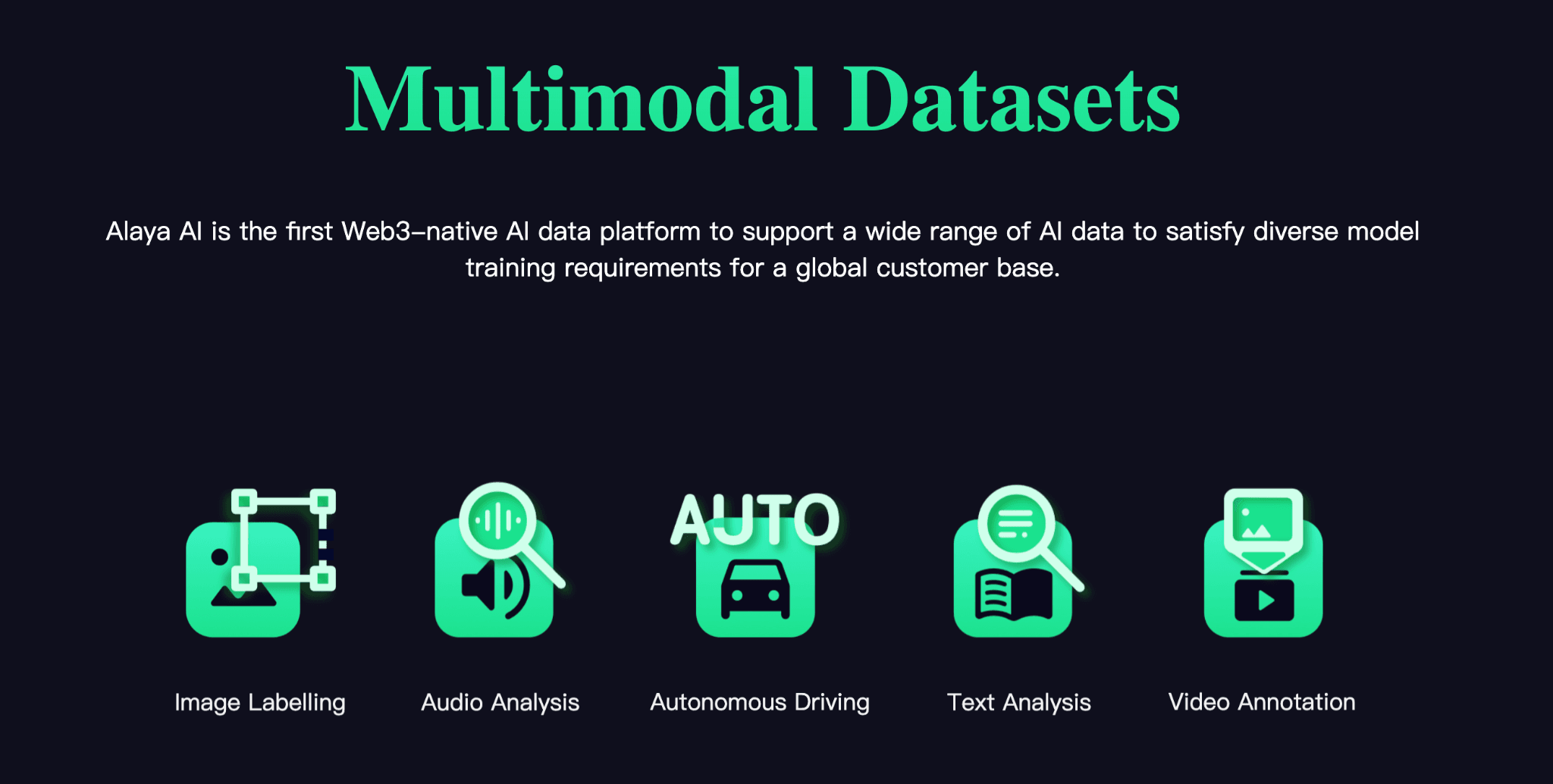
The platform’s data auto-labeling toolset also demonstrates strong automation capabilities, especially in the processing of complex static images and dynamic visual data. Built on OpenCV based computer vision annotation tooling and an enhanced Segment and Track Anything model, the system can automatically identify regions of interest in dynamic environments and maintain continuous object tracking across frames within a short time window. This is particularly meaningful in high barrier domains such as autonomous driving scene analysis and medical image annotation, where precision requirements are high and labeling costs are significant. Under the AGT powered incentive structure, users only need to provide limited manual intervention, while the AI system handles a large share of the segmentation and recognition workload with high accuracy. The official materials state that the platform has maintained a verification rate above 80% across common AI data categories. This not only improves overall data production efficiency, but also reduces procurement costs and turnaround time for AI companies that rely on labeled datasets.
Another meaningful innovation in the operating model is the deep coordination between the dual NFT system and AGT. The platform separates user identity and capability into Alaya NFTs and Medallion NFTs. Alaya NFTs represent tradable player characters with energy mechanics and gameplay attributes. Medallion NFTs represent non-transferable proof of expertise and achievement in specific fields. Users must spend a certain amount of AGT to upgrade these assets and unlock higher level tasks with stronger reward potential or privileged access to specialized annotation workflows. This design improves task allocation precision. The system can prioritize difficult data requests for users whose Medallion NFTs reflect stronger historical accuracy and whose AGT staking depth signals deeper alignment with the platform. Through this blockchain based framework for decentralized identity and capability verification, Alaya AI has built a distributed data sampling network with a high degree of trust while avoiding the dependence on traditional real name credential systems.
AGT (Alaya AI) market price & tokenomics
AGT has a fixed total supply of 5 billion tokens. This limited and transparent supply structure is designed to support long term ecosystem growth and to give the token a durable role within the broader transformation of AI data training and automated processing. Since its official market launch on April 15, 2025, AGT’s market performance has been closely associated with the actual scale of data labeling activity on the Alaya AI platform. This relationship reflects the project’s effort to anchor digital asset value to real data infrastructure usage rather than to narrative alone. The token distribution structure appears to be designed to balance the long term interests of early technical contributors, the core development team, and the broader data provider community. A meaningful share of tokens is also described as being allocated to ecosystem incentives and repurchase reserves. This structure gives the platform sufficient room to attract high quality data suppliers during its expansion phase, while also preserving some flexibility for long term liquidity and incentive management.
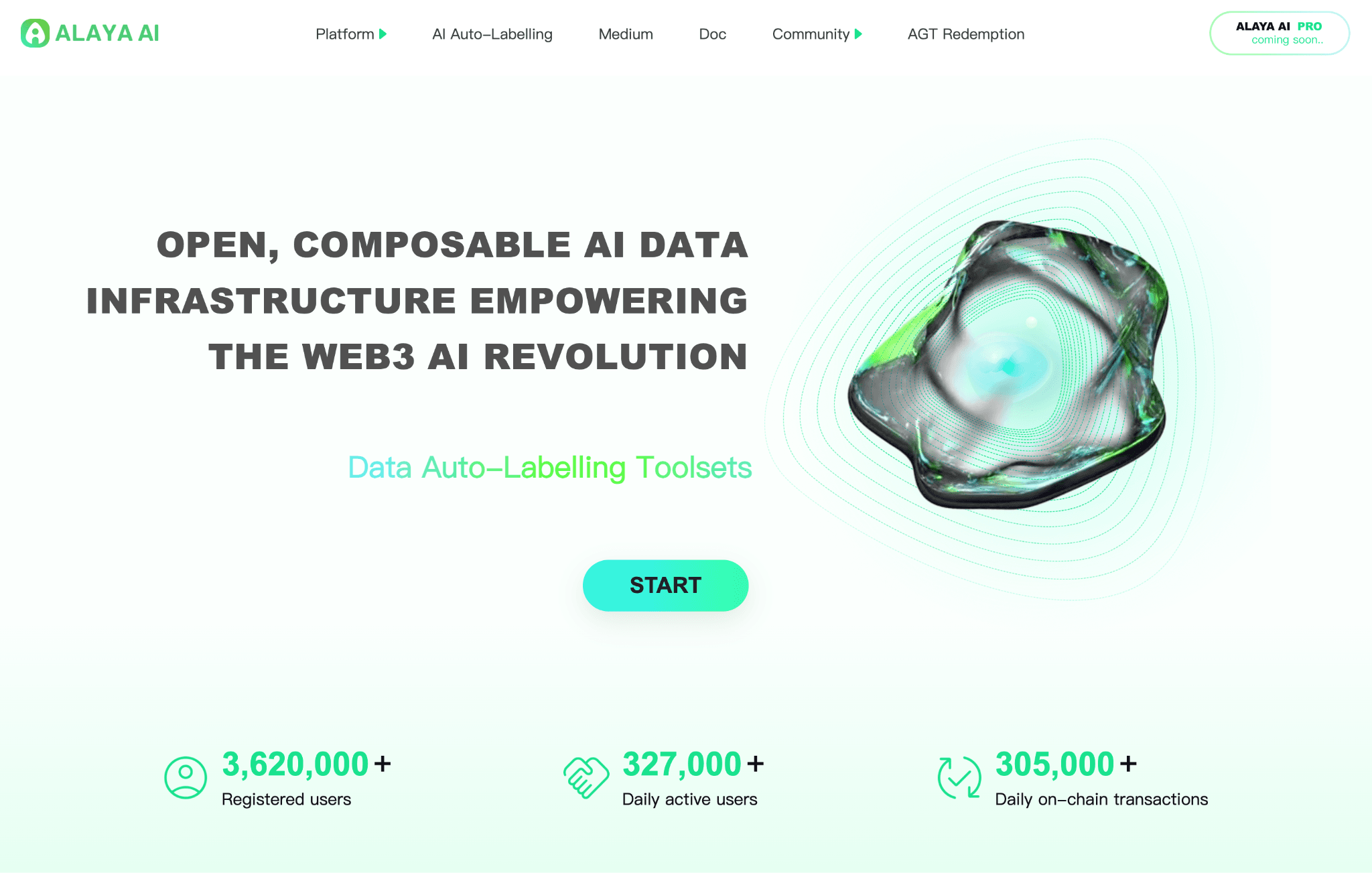
Within its tokenomics, AGT combines the functions of a utility token and a governance token. Users receive AGT rewards when they complete AI training tasks, reach milestone achievements, or participate in community growth campaigns. Those rewards can then be placed into NFT upgrades, which increase a user’s leverage in future high value task participation. By April 2026, the platform indicated that Alaya AI had accumulated more than 3.62 million registered users, over 320,000 daily active contributors, and more than 300,000 daily onchain transactions. AGT’s internal market value is also shaped by its unique AI model tokenization system. By staking AGT into specific AI model development pools, users are effectively using the token as a governance weighted signal to support and prioritize future technical directions. This staking mechanism does not simply generate inflationary token rewards. Instead, it unlocks scarce access to advanced validation tasks and model related service opportunities that can carry higher value compensation.
AGT is also the governance token of the platform and the economic foundation that supports the secure operation of the distributed network. Users who want to participate in data validation and complex annotation tasks must stake AGT to demonstrate commitment. This economic requirement helps discourage malicious data input and supports the commercial reliability and research value of the output datasets. The AGT staking mechanism also works together with the platform’s revenue based repurchase system. Commercial income generated from enterprise data services is intended to be used for AGT repurchases in the open market, after which the repurchased tokens are redistributed into user reward pools. This creates a clearer value loop inside the ecosystem. Staking AGT is therefore not only about potential reward access. It is also an entry requirement for participating in core data validation and auto-labeling model optimization workflows. Advanced participants must commit real economic cost, which aligns their interests more closely with the platform’s data quality objectives. This tightly integrated structure helps prevent blind token inflation and supports ongoing demand for AGT through the expansion of the AI data market itself.
Why do you invest in AGT (Alaya AI)?
The core investment logic behind AGT is rooted in the global AI industry’s growing demand for high-quality data with real professional depth. As the AI agent wave accelerated through 2025 and 2026, traditional large scale datasets gathered through web crawling became increasingly insufficient for domain specific and decision-making systems. Precise labeled data with deep contextual relevance became a core competitive resource for model developers. Through its swarm intelligence inspired structure, Alaya AI transforms distributed expertise from around the world into machine readable labeled assets. That makes AGT the core digital credential for accessing and coordinating this scarce production layer. Market demand for high quality RLHF optimized data continues to exceed available supply, and that long running imbalance provides a strong structural driver for AGT’s importance within the Alaya AI economy.
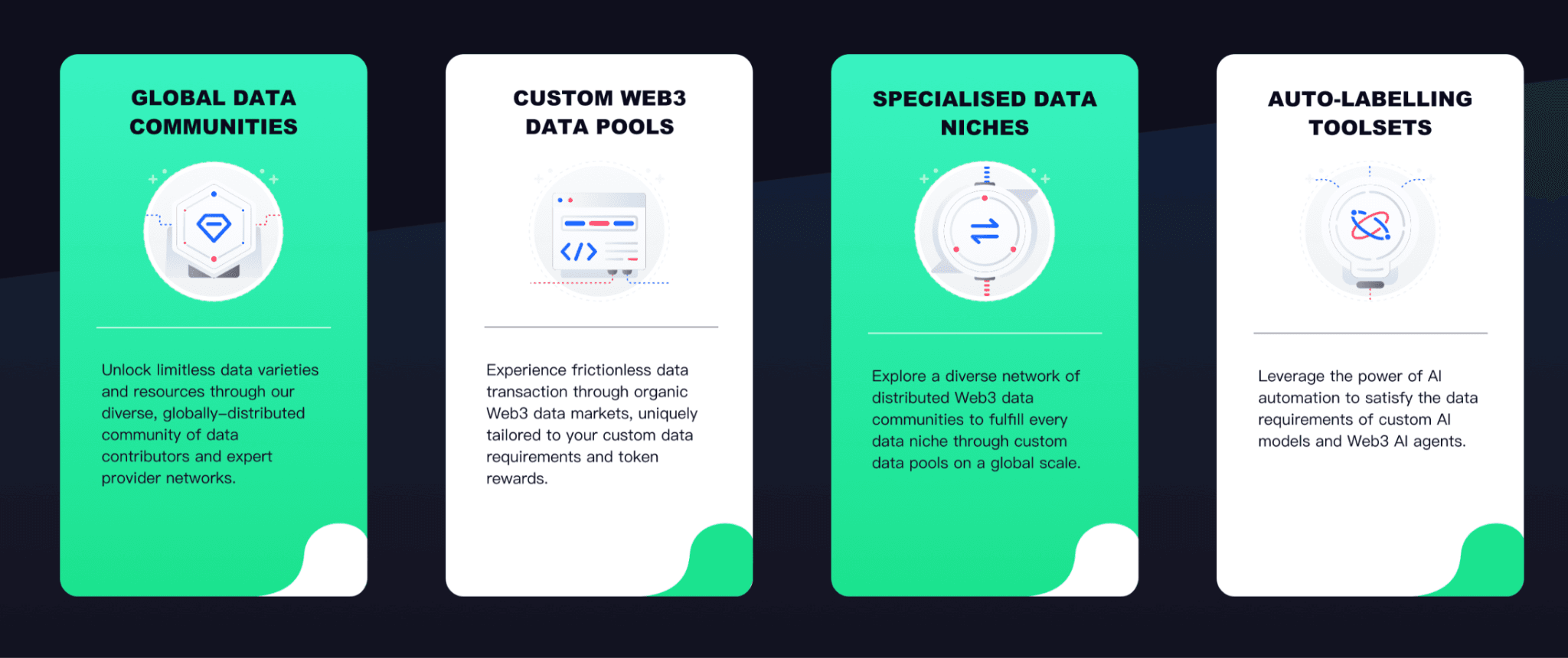
In addition, AGT offers participants direct exposure to the construction of decentralized AI infrastructure. This is different from many speculative digital assets that lack a real execution layer. AGT is supported by concrete data processing workflows and by technical barriers that are difficult to replicate quickly, including its three layer architecture and its auto-labeling system built around particle swarm optimization and adaptive preprocessing. Based on their official website, Alaya AI has positioned itself to support highly specialized verticals such as medical imaging, autonomous driving, and low resource dialect recognition with lower cost and higher quality data solutions. This strategic use of blockchain incentive design to solve industrial AI problems gives AGT a distinctive profile in digital asset allocation and supports its longer term relevance in the future.
Is AGT (Alaya AI) a good investment?
From the perspectives of technical maturity, community activity, and ecosystem penetration, AGT shows several meaningful project strengths. Alaya AI has established a visible position in decentralized data labeling and data sampling, and it has built a highly active global community that spans languages and cultural backgrounds. Its auto-labeling toolset is designed to process large scale static and dynamic visual data efficiently, while maintaining strong verification performance across common AI data categories. Within the Web3 native AI sector, that kind of product depth is relatively uncommon. Because its tokenomics model also includes a structured business revenue repurchase mechanism and multiple layers of token utility and consumption, AGT has a stronger internal economic design than many assets that depend mainly on market sentiment. This gives the ecosystem a higher degree of resilience over time.
However, the project’s future value will still depend on how effectively it expands across industries, especially in terms of real adoption by traditional Web2 AI companies and advanced AI labs. While AGT has already built technical credibility and visibility within Web3 circles, a larger revaluation would depend on whether more leading AI organizations formally integrate Alaya AI into standard data sampling and annotation workflows. As global AI regulation becomes stricter and data privacy frameworks continue to evolve, Alaya AI’s use of privacy preserving approaches such as ZK-encryption and decentralized data infrastructure may become a stronger strategic advantage. That could turn compliance alignment into an important differentiator in the future global data market. In that sense, AGT is better understood as an infrastructure linked asset whose long term strength depends on the success of a decentralized AI data network, rather than as a simple trading narrative.
Explore the latest AGT (Alaya AI) price and live chart, trade AGT on FameEX, and access real-time market data! Get started now with a seamless trading experience!
Disclaimer: The information provided in this article is intended only for educational and reference purposes and should not be considered investment advice. Conduct your own research and seek advice from a professional financial advisor before making any investment decisions. FameEX is not liable for any direct or indirect losses incurred from the use of or reliance on the information in this article.