FameEX Today’s Crypto News Recap | June 23, 2026
2026-06-23 06:49:20

US signs quantum computing orders, lobbyists push for crypto tax clarity, and OpenAI launches Daybreak tools, while Bitcoin fluctuates near $64K today. The crypto market faced clear macro pressure and heightened volatility over the past 24 hours. The Fear and Greed Index fell to 23, placing market sentiment back in the Extreme Fear zone. Global financial markets have recently been affected by rising expectations of further Federal Reserve rate hikes. This has intensified volatility across bond yields and asset prices. Deutsche Bank also warned that another rate increase could weigh on store-of-value assets such as gold. This macro backdrop has also raised concerns in the crypto market over tighter liquidity conditions. On-chain and derivatives data showed that total liquidations across the market reached USD 325 million. This indicates that both leveraged long and short positions were aggressively flushed out. Spot Bitcoin ETFs recorded net outflows of USD 68.17 million yesterday, marking the third consecutive trading day of outflows. This suggests that institutional investors remain cautious and are reducing exposure amid macro uncertainty. Bitcoin is currently trading near $64,000. A move above $67,211 could trigger USD 1.324 billion in short liquidations, while a break below $61,271 would imply USD 1.125 billion in long liquidation risk. At the same time, spot Ethereum ETFs also posted net outflows of USD 66.03 million. ETH has accumulated USD 966 million in short liquidation pressure near the $1,816 upside zone, while the $1,647 support area carries USD 685 million in long liquidation pressure.
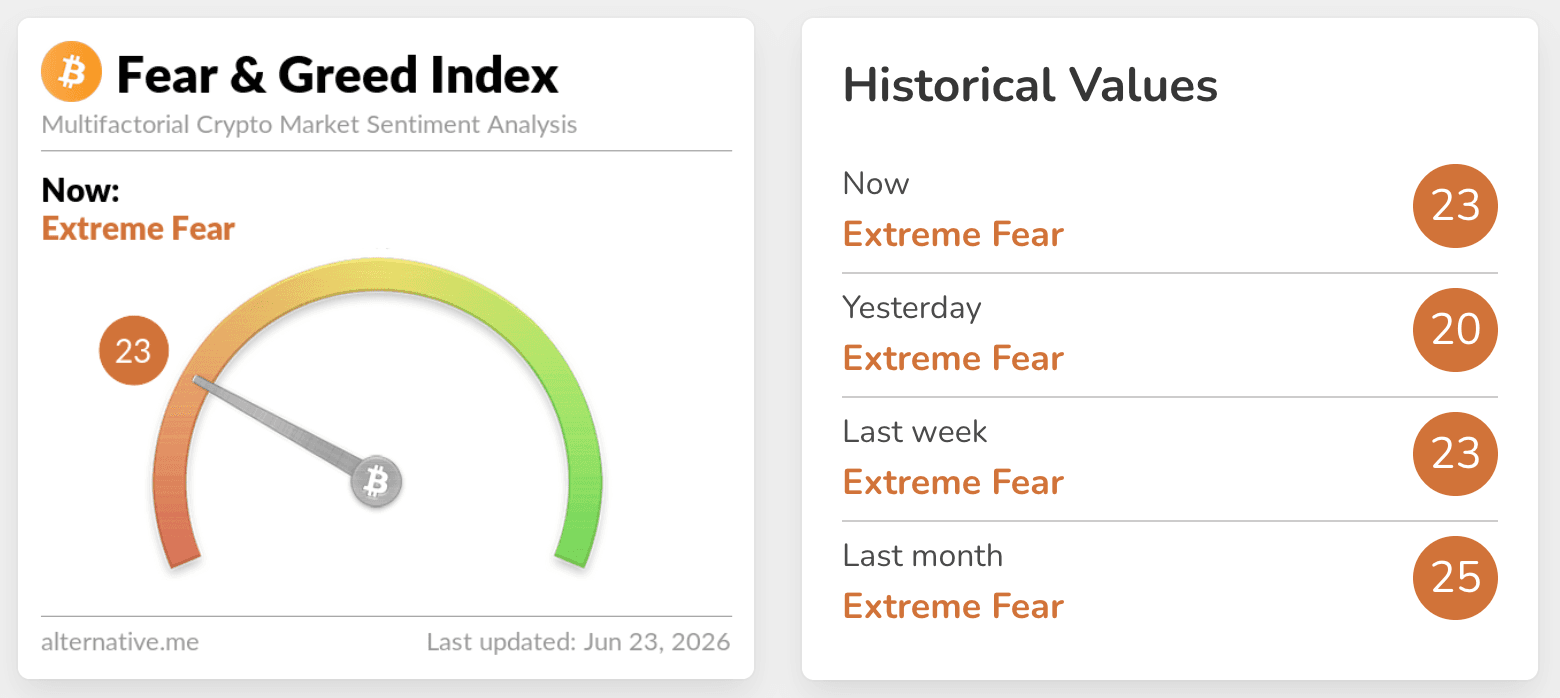
Source: Alternative
Key News Highlights:
US Signs Executive Orders on Quantum Computing and Cryptography
The US government recently signed two major executive orders aimed at advancing quantum computing capabilities and strengthening cryptographic technologies against quantum attacks. The goal is to protect national security and maintain the country’s technological leadership. The orders require relevant agencies to update the National Quantum Strategy within 180 days. They also seek to accelerate the commercialization of quantum computing and deepen industry collaboration. At the same time, the orders establish a coordinated whole-of-government framework to protect sensitive technologies. This framework is designed to prevent adversaries from using quantum information science and technology to threaten national security. Defensive cryptography is another core focus of the executive orders. Government agencies will guide a nationwide migration toward post-quantum cryptography. This is intended to address the future risk that large-scale quantum computers could break traditional encryption systems. As global geopolitical competition intensifies, the US is using these policies to strengthen infrastructure security and data transmission protection. In the crypto sector, blockchain protocols such as Ethereum have also started developing quantum-resistant roadmaps. This shows that both governments and the industry are moving toward a more proactive response to emerging technology risks.

Crypto Lobby Groups Urge Passage of Staking and Mining Tax Bill
Several crypto lobbying groups recently sent a joint letter to the US Congress. They urged lawmakers to pass the Tax Clarity for Mining and Staking Act without additional amendments. The groups emphasized that the bill should move forward in its original form and should not be delayed by revisions that could create a legislative deadlock. Industry representatives noted that the current tax treatment of mining and staking rewards remains highly uncertain. They argue that the existing framework treats unrealized digital asset rewards as taxable income, which can create liquidity pressure for taxpayers. The industry also views this approach as unfair because it applies a more punitive tax standard to crypto assets than to many other financial assets. The bill’s core proposal is to give miners and stakers a choice. They could pay taxes when they receive the assets or when they sell them. This would help avoid an immediate tax burden before the assets are converted into cash. Banking lobby groups have opposed the bill. They argue that it gives crypto assets preferential treatment. Crypto industry representatives maintain that the bipartisan proposal would resolve a long-running tax dispute and provide clearer operating guidance for blockchain developers and miners. They also argue that avoiding repeated amendments is important to prevent policy gridlock and support the compliant development of the US crypto industry.

Bitcoin Perpetual Futures Funding Rate Climbs to 3-Week High
Recent Bitcoin futures market data shows a subtle shift in investor positioning. The annualized funding rate for Bitcoin perpetual futures rose to 7%, reaching its highest level in nearly three weeks. This suggests that leveraged traders still hold a degree of bullish preference despite the pressure across the short-term market. Some participants are trying to capture potential rebound opportunities during volatile trading conditions. However, this optimism contrasts with weaker spot market activity. Continued outflows from spot Bitcoin ETFs have created persistent resistance for any upside move. Data showed that Bitcoin ETFs recorded USD 228 million in net outflows last week. This further confirms that institutional investors are reducing exposure to higher-risk assets amid macro uncertainty. Current order book depth suggests that bulls are still trying to defend against volatility. Even so, the market lacks a clear wave of buying demand strong enough to push Bitcoin above $70,000. Against the backdrop of volatile US equities and Treasury yields, investors are showing a stronger preference for liquid assets. This means Bitcoin needs to show stronger defense around the $65,000 support area before broader buying demand can return.
OpenAI Advances Daybreak Cybersecurity Defense Tools
OpenAI recently introduced its new Daybreak cybersecurity initiative and launched the full version of GPT-5.5-Cyber. The initiative is designed to provide more efficient defensive support for the cybersecurity industry. This technology upgrade does more than improve AI’s ability to detect software vulnerabilities. It also extends into the automated generation and verification of security patches, which is important as defenders face growing patch backlogs. Through deeper integration with the Codex Security plugin, the solution can help development teams identify threat paths and write targeted remediation code. It can also operate within existing security workflows. OpenAI has also launched the Patch the Planet initiative. This program brings together open-source software foundations and leading security experts to address code flaws with broad real-world impact. The goal is not only to accelerate vulnerability remediation cycles. It is also to democratize access to advanced defensive tools. This could help critical infrastructure operators and developers around the world strengthen their security posture. By making these tools more accessible, the initiative aims to build a more resilient digital defense network and reduce real-world risks caused by malicious attacks.
Disclaimer: The information provided in this section is for informational purposes only and doesn't represent any investment advice or FameEX's official view.