FameEX Today’s Crypto News Recap | October 23, 2026
2026-10-23 06:58:54

US restricts DeepSeek as a Circle shareholder sues Trump over USD1, and a16z rebrands as Frontier for AI. Today’s BTC is near $81.6K amid Neutral sentiment. The cryptocurrency market continued its decline from the previous trading session. Bitcoin (BTC) briefly fell below $81K during Asian trading hours before recovering toward $82K. BTC is currently trading near $81.6K, down approximately 1.45% over the past 24 hours. Ethereum (ETH) also remained under pressure, trading near $2,400 with a 24-hour decline of approximately 1.8%. The performance of both assets reflects continued short-term selling pressure across major cryptocurrencies. Market sentiment has weakened as the latest Crypto Fear & Greed Index dropped from 68 to 50, shifting from Greed to Neutral and indicating a decline in investor risk appetite. US spot ETF flows also showed a notable reversal. According to SoSoValue, spot Bitcoin ETFs recorded net outflows of USD 635 million in a single trading session. BlackRock's IBIT accounted for USD 254 million of those outflows. Spot Ethereum ETFs registered net outflows of USD 111 million, with BlackRock's ETHA recording USD 75.4543 million in withdrawals. These figures indicate that both major cryptocurrency ETF markets experienced capital outflows. In the derivatives market, CoinGlass data showed total cryptocurrency liquidations of USD 475 million over the past 24 hours. Long positions accounted for approximately USD 435 million, while short liquidations totaled USD 40.4714 million. This imbalance highlights the concentration of liquidations among leveraged bullish positions. Bitcoin long liquidations reached approximately USD 135 million, while Ethereum long liquidations totaled USD 74.0966 million. The figures reflect widespread forced closures of leveraged long positions during the market decline. CoinGlass liquidation estimates indicate that a Bitcoin move above $85,210 could expose approximately USD 2.167 billion in cumulative short liquidation intensity across major centralized trading platforms. A decline below $77,734 could expose approximately USD 1.428 billion in cumulative long liquidation intensity. For Ethereum, the $2,528 and $2,289 levels represent significant potential short and long liquidation zones. Estimated liquidation intensity at these respective levels stands at approximately USD 1.213 billion and USD 826 million. These concentrations suggest that further price fluctuations could coincide with additional adjustments in leveraged derivatives positions. On the macroeconomic front, US technology stocks declined as investors reassessed artificial intelligence capital expenditures and corporate earnings prospects. The Nasdaq Composite fell 2.6% on Thursday, marking its largest single-day decline since June. The broader shift toward risk aversion also affected equities, bonds, gold and cryptocurrencies. Overall, the current price performance of BTC and ETH reflects a combination of broader risk-asset adjustments, ETF capital outflows and leveraged position liquidations. Near-term market structure remains influenced by global risk sentiment and changes in derivatives positioning.
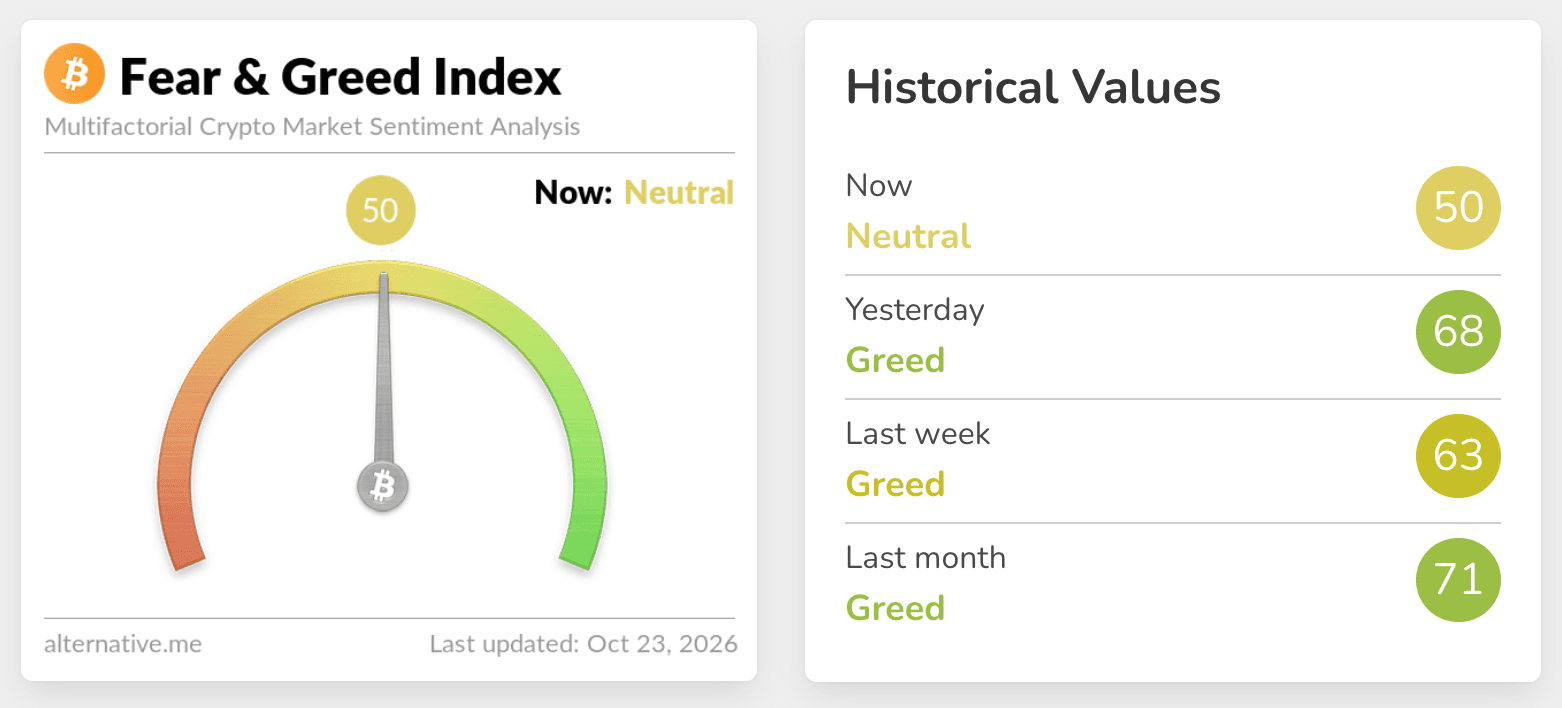
Source: Alternative
Key News Highlights:
US Restricts DeepSeek Use As Switzerland And Asia Expand Digital Asset Cooperation
Several major developments have emerged across technology policy and the digital asset industry. The United States has expanded restrictions on Chinese artificial intelligence technology, while Switzerland, Japan, South Korea and Southeast Asian countries continue to advance blockchain and stablecoin applications. The US Department of Homeland Security has ordered federal civilian agencies to remove DeepSeek-related products from their information systems. The restrictions also cover affiliated companies and certain third-party products and services developed using DeepSeek technology. Affected agencies are prohibited from making additional purchases of these products. US authorities cited concerns over sensitive information and data security. Officials warned that government employees and contractors using these services could expose information about American citizens and federal programs. Meanwhile, the US Treasury Department has proposed new outbound investment restrictions targeting certain foreign artificial intelligence projects and high-risk semiconductor technologies. The proposal extends existing national security policies governing investments in advanced technologies. In China's blockchain sector, Solana Foundation President Lily Liu announced the postponement of the Solana Accelerate event originally scheduled for Shanghai. The decision followed a surge in pre-registrations that exceeded the attendance limit approved by local authorities. Organizers plan to reschedule the event in accordance with local requirements. In the payments sector, South Korea's Shinhan Card signed a cooperation agreement with Japan's SBI affiliates to test yen-denominated stablecoin applications for tourism spending, card payments, wallet transfers and cross-border trade settlement. The participating companies will also evaluate anti-money laundering controls and fraud detection mechanisms. South Korea's Kakao, KakaoBank and KakaoPay have established a dedicated stablecoin task force to develop infrastructure for the issuance, custody and everyday use of won-denominated stablecoins. Initial applications will focus on shopping and digital gifting services. Malaysia's central bank has also launched SSDS+, a next-generation distributed ledger-based securities depository platform. The system supports the issuance, custody and safekeeping of tokenized bonds and Islamic debt securities. It also connects to a payment infrastructure capable of operating around the clock. In international cooperation, Vietnam signed a free trade agreement with members of the European Free Trade Association, including Switzerland. Swiss President Guy Parmelin subsequently proposed stronger cooperation between Switzerland's Crypto Valley and Vietnam's innovation ecosystem. The proposed collaboration covers blockchain, artificial intelligence and quantum technology. Singapore-backed BIT Asset Management has also received approval from the Swiss Financial Market Supervisory Authority to launch a spot Bitcoin ETF. The fund is expected to begin trading on the SIX Swiss Exchange in November and will become Switzerland's first approved ETF to invest directly in Bitcoin. Together, these developments highlight recent policy and industry initiatives across US technology security, Asian stablecoin payment trials, tokenized financial infrastructure and technology cooperation between Europe and Asia.
Circle Shareholder Sues Trump And World Liberty Over USD 2 Billion Stablecoin Deal
A shareholder of stablecoin issuer Circle Internet Financial has filed a lawsuit in the US District Court for the District of Columbia against President Donald Trump, his family's cryptocurrency venture World Liberty Financial, affiliated entities and US Special Envoy to the Middle East Steve Witkoff. The dispute centers on a USD 2 billion cryptocurrency investment transaction conducted using the USD1 stablecoin. According to the report, plaintiff J. Benjamin Greenberg holds 10,000 shares of Circle common stock. He alleges that the defendants used business arrangements involving foreign government interests to secure a major transaction for USD1, the stablecoin issued by World Liberty Financial. The lawsuit claims that these arrangements harmed Circle's commercial interests and weakened the competitive position of its USDC stablecoin. At the center of the case is MGX, an Abu Dhabi-based investment firm that used USD1 to invest USD 2 billion in a major centralized cryptocurrency trading platform in 2025. The plaintiff argues that the transaction provided a competitive advantage to digital asset businesses associated with the Trump family. He also questions whether the foreign financial arrangements complied with constitutional restrictions on benefits received by a sitting US president. The complaint references another related investment arrangement. Previous media reports indicated that an investment vehicle backed by a prominent figure from the United Arab Emirates had agreed to acquire a 49% stake in World Liberty Financial for USD 500 million. Greenberg has asked the court to determine whether the transactions violated the Foreign Emoluments Clause of the US Constitution. He is also seeking an injunction to prevent the defendants from entering into similar financial arrangements without congressional consent. The plaintiff has requested an accounting of the relevant financial transactions and is pursuing compensatory and punitive damages for the alleged harm. A Circle spokesperson stated that the company did not initiate, direct, authorize or participate in the lawsuit. Circle declined to comment further because the case remains pending. White House spokesperson Anna Kelly denied that Trump's cryptocurrency investments presented any conflicts of interest and dismissed the lawsuit as frivolous. World Liberty Financial had not responded to requests for comment at the time of the original report. The case comes ahead of the 2026 US midterm elections, when the Trump family's cryptocurrency business activities continue to attract scrutiny from political figures and the media. However, the allegations of constitutional violations and commercial harm remain claims made by the plaintiff. No court has established that the defendants engaged in unlawful conduct in connection with the disputed transactions.
Bitcoin And Gold Recover Some Losses As Yen Weakens And Oil Prices Remain Elevated
Bitcoin and gold recovered part of their previous session's losses as the Japanese yen surrendered its early gains. Major Asian stock markets and US equity index futures also rebounded. However, crude oil prices remained near $100 per barrel and kept global attention focused on inflation risks and energy costs. Bitcoin recovered toward $82K after briefly falling below $81K overnight. The cryptocurrency also tested levels near its 50-day simple moving average. Ethereum, XRP, Solana and other major digital assets recorded varying degrees of recovery during the same period. Gold rebounded from an early Asian session low of approximately $3,986 per ounce to around $4,020, reflecting renewed demand for certain safe-haven assets following their earlier declines. Japan's Nikkei and South Korea's Kospi also recovered from their session lows. Meanwhile, Nasdaq futures rose approximately 0.17% from around 29,022 to 29,190. In the foreign exchange market, the Japanese yen strengthened to 156.07 against the US dollar during early trading, reaching its strongest level since September 18. The currency later weakened toward 157 per dollar. Higher-than-expected inflation data from Japan prompted markets to reassess the Bank of Japan's future interest rate policy. The yen's temporary appreciation also reflected safe-haven demand and adjustments to yen-funded carry trades. In the energy market, West Texas Intermediate crude oil futures remained near $100 per barrel. Although the Trump administration had introduced measures to support US fuel production, those policies had not yet produced a meaningful decline in oil prices. The broader market movements covered technology stocks, foreign exchange, gold, energy and cryptocurrencies. The corresponding price and capital flow data illustrate the shifts in global financial markets during Asian trading hours.
a16z Crypto Rebrands As Frontier And Expands Investment Focus Into AI And Emerging Technologies
Andreessen Horowitz, one of the most prominent US venture capital firms, has announced that its cryptocurrency-focused investment division, a16z Crypto, will be renamed a16z Frontier. The firm is also expanding its investment scope to include artificial intelligence, autonomous machines and other emerging technologies. According to an official statement from managing partner Chris Dixon, the restructuring does not signal a withdrawal from the cryptocurrency industry. Instead, a16z is extending its blockchain-focused investment strategy into a broader range of frontier technologies. Dixon explained that blockchain is becoming increasingly integrated into traditional finance and fintech. As a result, classifying a company strictly as a cryptocurrency business is no longer sufficient to describe its business model. The new investment framework will place greater emphasis on the products and markets that emerging technologies can create. a16z Frontier will focus on AI-powered products, autonomous machines and networks connecting people with AI agents. The firm will also explore how these technologies can support new forms of transactions and collaboration. Dixon noted that blockchain infrastructure could enable programmable payments and transactions within these networks. Such capabilities would allow AI agents and machines to transfer value directly in digital environments. a16z has previously invested in Solana, Uniswap and numerous other blockchain-related companies. The firm intends to maintain its support for cryptocurrency businesses and continue participating in digital asset regulatory discussions. Its expanded investment strategy follows similar developments among other venture capital firms with established cryptocurrency portfolios. Paradigm raised USD 1.2 billion in July to broaden its investments into artificial intelligence, robotics and other technologies. Framework Ventures raised USD 400 million in June to expand into AI, energy, fintech and tokenization. Haun Ventures also raised USD 1 billion in May and extended its investment focus into artificial intelligence and financial services. Under the new management structure, Chris Dixon will oversee a16z Frontier alongside a16z founders Marc Andreessen and Ben Horowitz, as well as general partners Eddy Lazzarin and Guy Wuollet. The firm stated that its team will continue supporting existing and new portfolio companies in regulatory matters, technical development, market expansion and talent recruitment. It will also pursue emerging technologies and business models that may require longer development cycles. The rebranding reflects a16z's decision to incorporate its existing cryptocurrency investment operations into a broader frontier technology strategy while maintaining blockchain as one of its core investment and research areas.
Disclaimer: The information provided in this section is for informational purposes only and doesn't represent any investment advice or FameEX's official view.