FameEX Today’s Crypto News Recap | November 12, 2026
2026-11-12 07:40:34

Nvidia's board reportedly weighs Jensen Huang's ouster as TradFi NVDA perps fall, while Suiet plans closure and GENIUS Act spurs DeFi debate; today's BTC price is around $73.8K amid fear sentiment. The cryptocurrency market continued to fluctuate within its recent trading range. Bitcoin (BTC) edged lower to around $73.8K, while Ether (ETH) hovered near $2,055. Neither asset has moved decisively beyond its price range this week. Investors remained cautious as markets continued to digest US inflation data, volatility in technology stocks, and institutional fund flows. The Fear and Greed Index currently stands at 28, indicating Fear sentiment. This marks a slight decline from yesterday's reading of 29 and remains well below the Neutral level recorded a week ago. According to CoinGlass, total liquidations across the crypto market reached approximately USD 290 million over the past 24 hours. Long positions accounted for USD 170 million, while short positions represented USD 120 million. These figures show that price volatility affected traders on both sides of the market. Bitcoin spot ETF fund flows also remained in focus. Several funds recorded outflows, although complete figures have yet to be released. Meanwhile, Nvidia's board is reportedly considering the future of CEO Jensen Huang. The reports triggered volatility in technology stocks and on-chain equity perpetual futures. The announced shutdown of Suiet, a wallet in the Sui ecosystem, has also drawn attention to recent operational changes among blockchain projects. In addition, progress on implementing the US GENIUS Act stablecoin regulatory framework has renewed discussions about governance mechanisms and price oracle risks in decentralized finance (DeFi) lending markets.
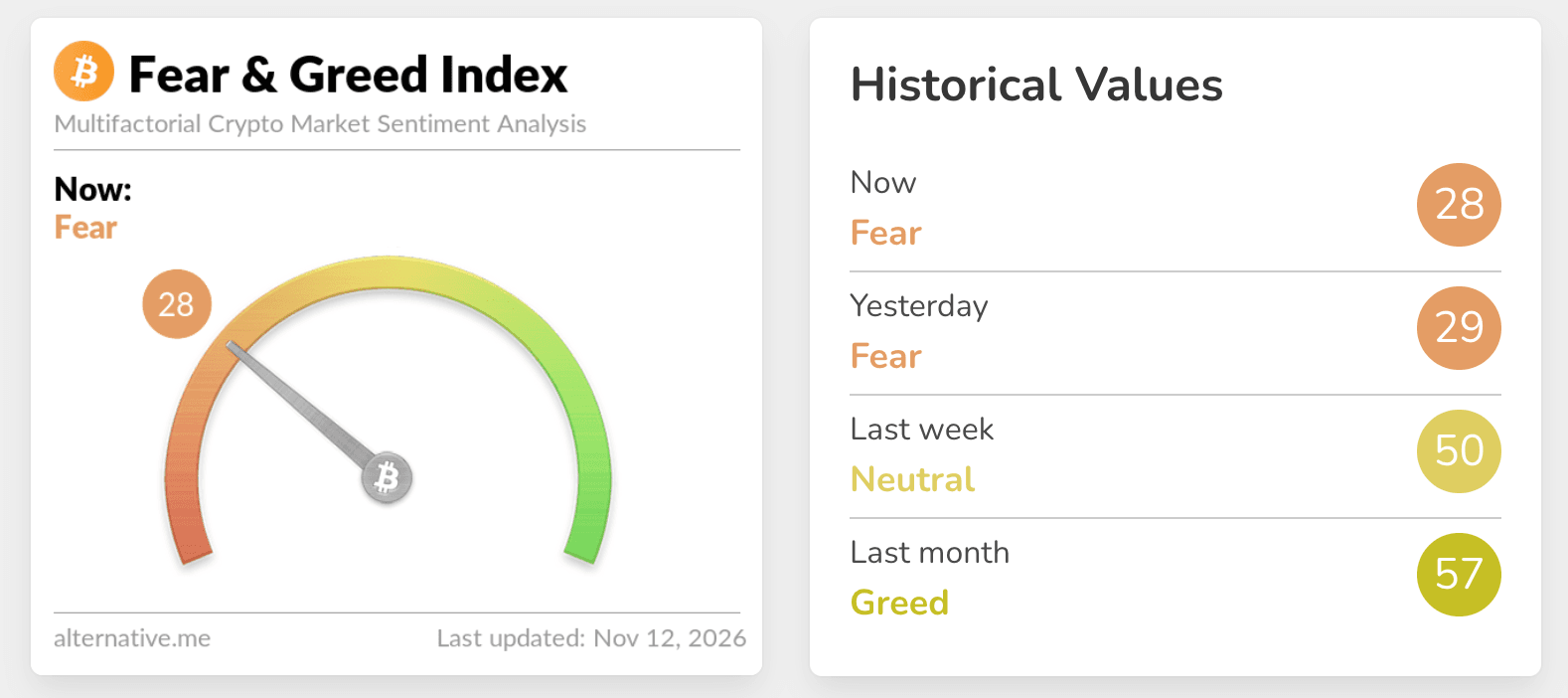
Source: Alternative
Key News Highlights:
Nvidia Board Reportedly Weighs Jensen Huang's Removal Amid Leadership Uncertainty
According to The Wall Street Journal, Nvidia's board is considering whether to remove founder and CEO Jensen Huang following recent reports concerning his personal relationships and potential national security concerns. The report cited people familiar with the matter and indicated that directors could meet as early as Wednesday to discuss Huang's future at the company. The controversy began with reports alleging that Huang had a personal relationship with a businesswoman suspected of having ties to Chinese intelligence operations. The allegations regarding her identity and intelligence connections remain unverified. The New York Times subsequently reported another extramarital relationship involving Huang and a senior Nvidia executive, citing people familiar with the situation. Huang had previously acknowledged being unfaithful to his wife in a letter to employees. He apologized to his family and staff for his conduct. Huang also confirmed that Nvidia's board had launched an independent investigation into the national security concerns raised by media reports and pledged his full cooperation. Nvidia is a major player in the global artificial intelligence chip industry. Its processors are widely used in data centers, AI model training, and other computing infrastructure. Following reports of a possible leadership change, Nvidia shares fell approximately 8% in after-hours trading and reversed part of their gains from the regular session. At the time of reporting, the board had not formally announced Huang's removal. The matter remained under investigation and internal discussion.
Sui Wallet Suiet Announces Shutdown as TVL and Active Users Decline
Suiet, a self-custodial wallet built on the Sui blockchain, has announced that it will discontinue wallet development and maintenance. Its API services are scheduled to end after November 14, making Suiet one of the latest projects to exit the Sui ecosystem. In its official announcement, Suiet confirmed that it would no longer provide product updates but would maintain API services until the specified deadline to allow users to migrate their wallets. As a self-custodial wallet, Suiet does not directly hold users' digital assets. Their assets remain recorded on the Sui blockchain, so the shutdown itself will not delete or transfer their on-chain holdings. However, existing wallet functions such as balance displays, transaction submissions, and connections to decentralized applications may be affected. Suiet advised users to back up their recovery phrases or private keys before services end and restore access through another compatible Sui wallet. The announcement comes amid a continued decline in decentralized finance activity across the Sui ecosystem. According to DefiLlama, Sui's total value locked (TVL) stood at approximately USD 413 million, down more than 22% over the past month. Token Terminal data showed that Sui averaged around 128,000 daily active users in October 2026. This represents a decline of approximately 79% from 601,000 in November 2025. Another Sui-based hardware wallet project, Suiball, announced its closure on November 10. DeFi project Full Sail also discontinued operations following a security incident involving Switchboard. Despite the decline in active users, Sui processed approximately 324 million transactions in October 2026, compared with 101 million in November 2025. The figures indicate that transaction activity and active user numbers have not followed the same trend. Reports also noted that Sui experienced four network outages in 2026, resulting in approximately 22 hours of cumulative downtime. Some disruptions were linked to software bugs and network upgrades. The recent wave of wallet and application shutdowns has brought renewed attention to operating costs, user adoption, and infrastructure stability across the Sui ecosystem.
Nvidia Perpetual Futures Drop 10% as Volatility Hits on-chain Derivatives
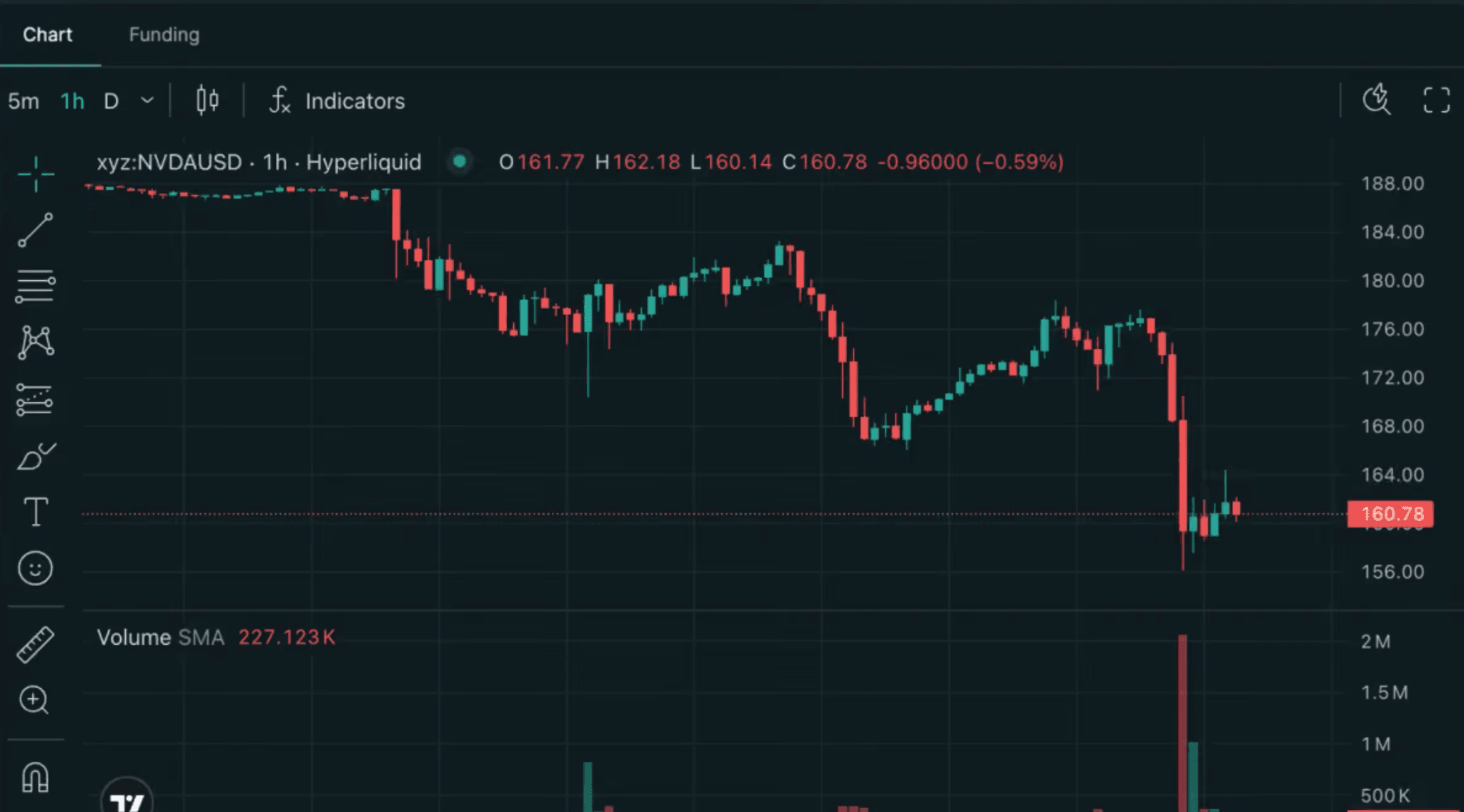
on-chain perpetual futures tracking Nvidia shares fell sharply following reports that the company's board was considering removing CEO Jensen Huang. The price movements showed how the leadership controversy had spread into cryptocurrency derivatives markets. According to The Block, NVDA perpetual futures on a decentralized derivatives trading platform dropped approximately 10% and reached an intraday low of $156.14. At 7:50 p.m. Eastern Time, the contracts were trading around $158.86, representing a 24-hour decline of approximately 6.8%. Meanwhile, Nvidia shares listed on the Nasdaq closed the regular trading session at approximately $173 before falling around 8% in after-hours trading. Unlike traditional US stock markets, on-chain equity perpetual futures can continue trading outside regular market hours. This allows traders to respond to major developments even when the underlying stock market is closed. Market data showed that cumulative trading volume for Nvidia-linked perpetual futures across multiple exchanges had exceeded USD 4 billion, reflecting substantial trading activity in these products. Additional figures indicated that open interest in NVDA perpetual futures on a single decentralized platform had reached approximately USD 535 million. This made the contracts one of the platform's largest markets linked to traditional financial assets. Beyond Nvidia shares, some decentralized derivatives platforms also offer perpetual contracts providing exposure to gold, crude oil, and major stock indices. These products allow traders to open or adjust positions while traditional markets are closed. The Nvidia controversy highlighted the growing connection between traditional equity markets and crypto derivatives, as well as differences in how these markets respond to major corporate developments outside regular trading hours.
GENIUS Act Implementation Advances as DeFi Lending Governance and Oracle Risks Draw Attention
As the United States develops its regulatory framework for payment stablecoins, eligible issuers are required to maintain sufficient reserve assets and comply with capital, risk management, and redemption standards. Under the final rules published by the Office of the Comptroller of the Currency (OCC), the relevant regulations are scheduled to take effect on January 18, 2027. These requirements will further establish operating standards for regulated stablecoin issuers. However, full reserve backing does not necessarily provide stablecoin holders with the same protections once their assets are deposited into decentralized finance (DeFi) lending protocols. In some on-chain lending markets, governance token holders can vote to modify collateral requirements, liquidation thresholds, and interest rates. These changes may occur even after users have deposited assets into lending protocols. DeFi lending platforms also typically rely on price oracles to obtain asset valuations. Incorrect or delayed price data can trigger liquidations that do not reflect actual market prices. Previous incidents include a pricing configuration error at Moonwell that resulted in approximately USD 1.78 million in bad debt. A separate risk parameter issue at Aave triggered approximately USD 27 million in liquidations. When evaluating DeFi lending markets, institutional participants must consider more than collateral assets and market size. They also need to understand who has the authority to modify lending terms after funds have been deposited. Alternative protocol designs seek to reduce reliance on external price oracles by establishing fixed lending rules within smart contracts. However, such structures also have limitations because vulnerabilities in immutable contracts can be difficult to patch directly.
Disclaimer: The information provided in this section is for informational purposes only and doesn't represent any investment advice or FameEX's official view.