FameEX Today’s Crypto News Recap | May 26, 2026
2026-05-26 06:54:06

Satoshi-era Bitcoin miner moved $203M $BTC, ADI Chain integrated with Ledger, and BTC’s 8-month low volatility highlights potential short squeeze risks ahead. Global macroeconomic conditions have recently become increasingly complex and volatile. Bank of America’s research team recently maintained its 12-month gold price target at $6,000 per ounce, even as gold faces short-term pressure from weaker rate-cut expectations and inflation repricing linked to Middle East tensions. The medium-term bullish framework remains intact. This macro uncertainty has directly affected the pricing strategy for global risk assets, as capital continues to move between defensive positioning and yield-seeking behavior. Crypto assets have also remained sensitive to shifts in market sentiment under this backdrop. Investors are closely monitoring changes in the Federal Reserve’s interest rate path and whether global liquidity may experience a structural turn amid weaker economic growth indicators. As central banks continue adjusting asset allocations and investor demand for inflation hedges recovers, macro-level pressure and support are forming a tug-of-war across markets. Against this backdrop, market participants generally remain cautious in asset allocation while seeking relatively stable defensive directions under an uncertain macro outlook.
Crypto Markets Overview
The crypto market is currently showing clear defensive characteristics. The Crypto Fear & Greed Index stands at 34, remaining in the Fear zone and reflecting continued concern over the recent consolidation phase. Data shows that Bitcoin implied volatility has fallen to 36%, marking an 8-month low and suggesting that the market expects short-term price action to remain range-bound. However, potential short squeeze risks are still accumulating. Current derivatives market data shows that if Bitcoin breaks above $80,447, cumulative short liquidation intensity across major CEXs will reach USD 1.245 billion. However, if Bitcoin falls below $73,416, cumulative long liquidation intensity will reach USD 739 million. For Ethereum, if ETH breaks above $2,197, short liquidation intensity will reach USD 648 million, while a drop below $2,002 would bring long liquidation intensity to USD 505 million. Performance across crypto sectors remains divided. The SocialFi sector rose more than 5.5% with support from TON, while the GameFi sector saw a notable pullback. Total market liquidations over the past 24 hours reached USD 191 million, showing that leverage positioning is being reshuffled. Investors should remain aware that sudden price moves in low-liquidity conditions may trigger cascading liquidations.
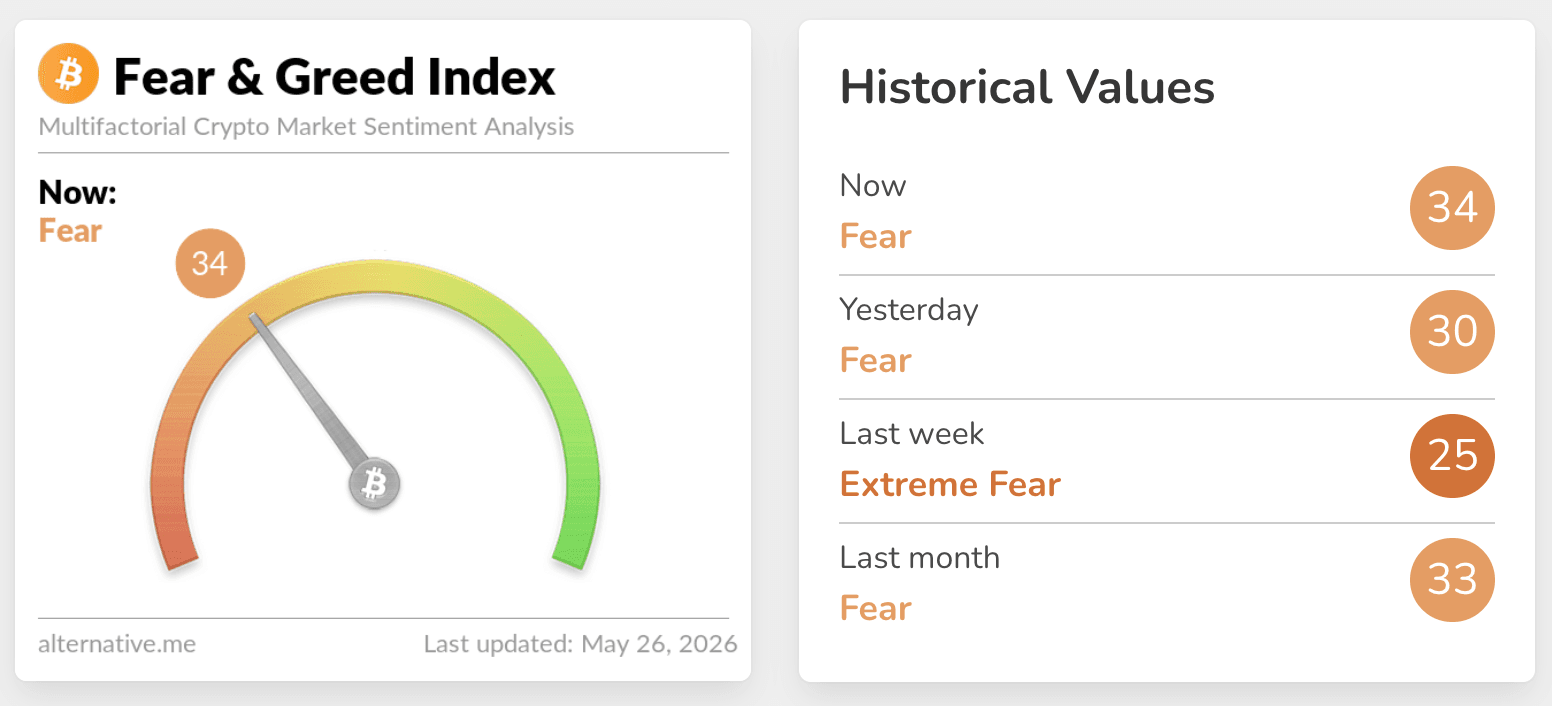
Source: Alternative
Key News Highlights:
Satoshi-Era Bitcoin Miner Transfers USD 203 Million In BTC To OTC Desks
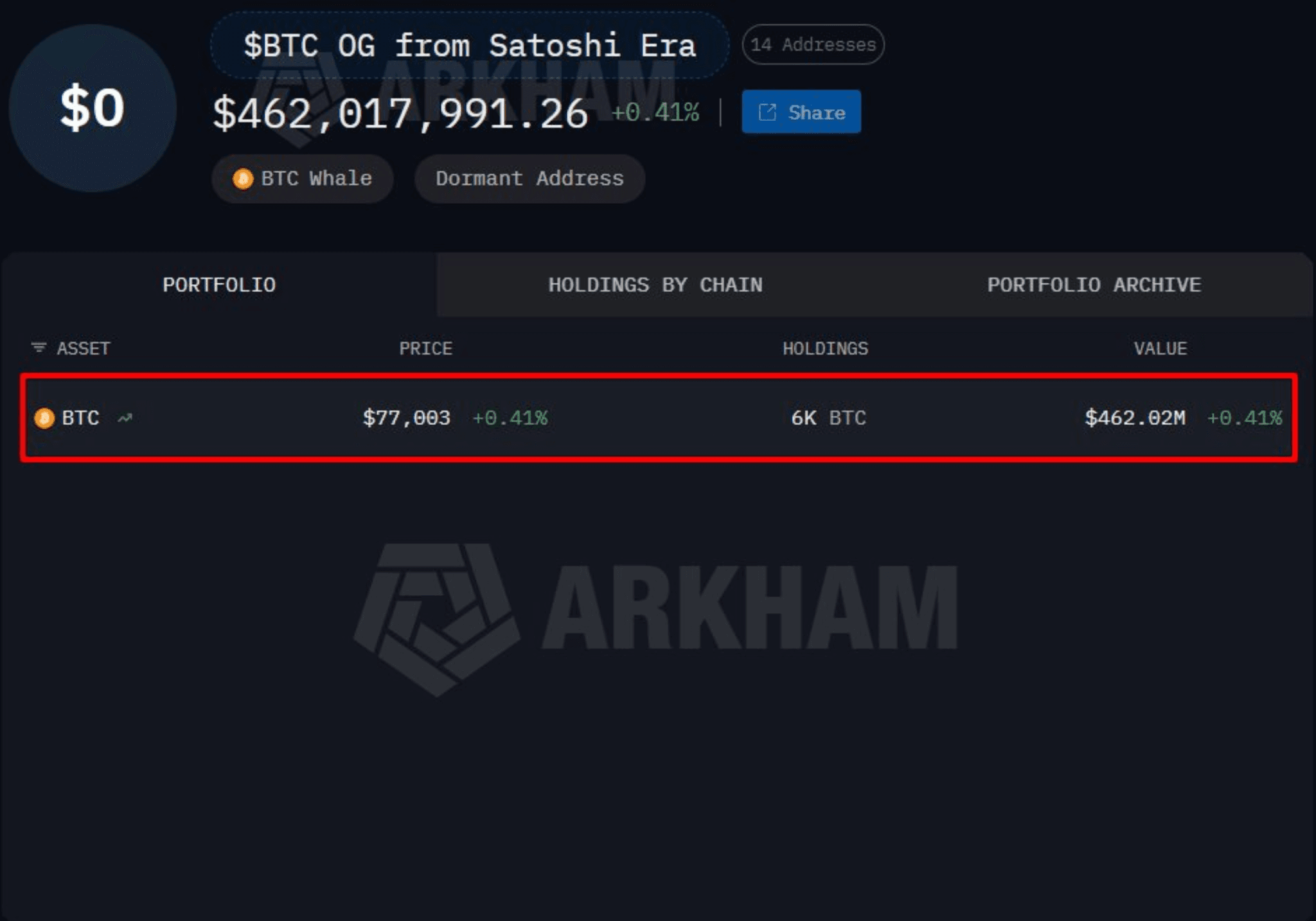
A Bitcoin miner wallet from the Satoshi era recently made a large-scale transfer, moving 2,650 BTC to OTC desks including FalconX and Cumberland. The transfer was valued at around USD 203 million. The move drew significant market attention because long-dormant assets are often viewed as a potential source of sell-side pressure. Although the wallet still holds 6,000 BTC worth around USD 462 million, transfers to institutional OTC desks often suggest that the holder may be adjusting liquidity or preparing to reduce exposure. It is also worth noting that Bitcoin’s current price level is below many estimates of average miner production costs, which makes movements from early miner wallets more sensitive to the market. Data suggests that when Bitcoin trades below production cost, small and mid-sized miners may face financial pressure and could be forced to sell tokens to fund operations. This event once again highlights how on-chain asset movements can influence market sentiment.
ADI Chain Gains Ledger Support And Continues Expanding Its Stablecoin Ecosystem
ADI Chain recently announced native support from Ledger, marking an important step in the expansion of its stablecoin and tokenized asset network. ADI Chain is a UAE-linked Layer 2 network focused on stablecoin applications and real-world asset tokenization. It is backed by Abu Dhabi-based Sirius International Holding. The integration allows users to store and manage their tokens through Ledger Wallet and hardware wallets, aiming to improve the user experience for institutional use cases such as cross-border payments, treasury operations, and trade settlement. The development follows a recent stablecoin transfer worth USD 30 million within the ecosystem. This shows the network’s active positioning in regional financial infrastructure. Although dollar-backed stablecoins still dominate the current market, non-dollar stablecoins continue to develop. Regulatory frameworks such as MiCA are helping standardize this sector and attract more participation from banks and financial institutions. This reflects rising demand across international financial markets for local-currency stablecoin infrastructure.
Bitcoin Volatility Falls To 8-Month Low As Market Watches Short Positioning
Bitcoin volatility recently fell to 36%, reaching its lowest level in eight months. This indicates that professional traders are reducing expectations for sharp price swings. A decline in volatility does not directly point to market direction, but derivatives data show that short positions may have become overly concentrated. This creates conditions for a potential short squeeze. According to the CoinGlass liquidation heatmap, a large concentration of Bitcoin shorts has formed between $78,000 and $83,000. If Bitcoin breaks above $82,000 with stronger volume, it may trigger a chain reaction of leveraged short liquidations and drive a rapid price move. At the same time, data shows that put options are trading at a significant premium over call options, reflecting continued concern among institutional traders over downside risk. Although the market has largely priced in the possibility of a retest of $72,000, the fragility of leveraged capital in the derivatives market remains important. Once the market structure reverses, potential liquidity-driven liquidations may have a notable impact on price action. Investors should continue monitoring trading volume and open interest changes.
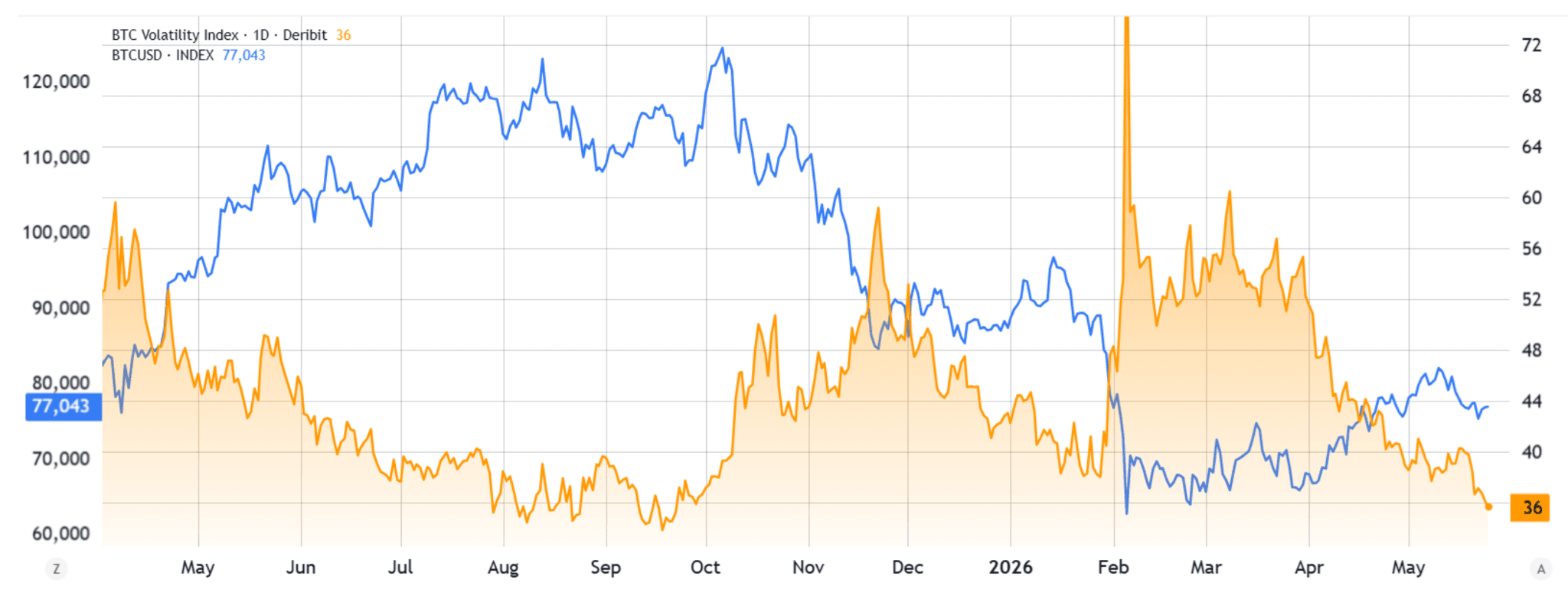
BTCUSD (blue) vs. Deribit Bitcoin volatility index (orange). Source: TradingView
Trending Tokens:
- $RLS (Rayls)
Rayls has attracted significant market attention after its official mainnet launch and has quickly moved to activate its native stablecoin ecosystem. The project is currently building momentum through the USDr Liquidity Campaign, which incentivizes early users to deposit stablecoins and secure a substantial share of RLS token rewards. By using USDr as the native gas token, Rayls provides institutional users with predictable dollar-denominated transaction fees while maintaining a hybrid architecture that combines private banking subnets with public decentralized finance. This strategic design, which targets RWA tokenization and central bank digital currency integration, positions the network as a powerful infrastructure layer for compliant financial operations. Market participants are closely watching the current liquidity window because the campaign uses a structured distribution schedule. This mechanism prioritizes early contributors and supports the long-term stability of the network.
- $VVV (Venice)
Venice is rapidly emerging as a key intersection between artificial intelligence and decentralized privacy infrastructure, drawing market attention through its commitment to data sovereignty. The platform positions itself as a provider of advanced AI services such as generative conversation and image creation while strictly enforcing a policy of not storing user data. By integrating blockchain technology for permissionless payments and using Web3 standards for browser-based and end-to-end encrypted storage, the project offers a secure alternative to centralized AI models. This privacy-first intelligence narrative has resonated strongly with users who place a high value on data security in an era of broad AI adoption. As the platform gains visibility within the Base ecosystem, the market is assessing its potential to scale generative tools without compromising anonymity principles. The project remains a focus for users seeking to combine the utility of large language models with the trustless properties of decentralized systems.
- $SLX (Solstice)
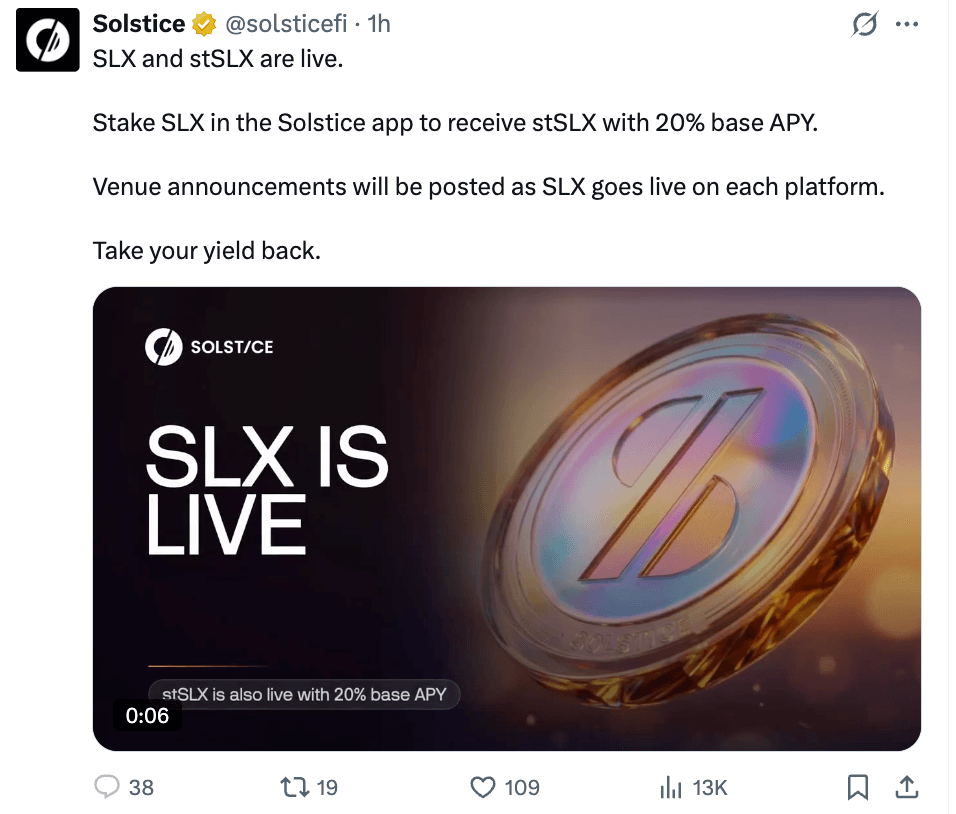
Solstice has generated strong attention within the Solana ecosystem as it proceeds with its token generation event and adjusts its launch date after careful consideration to optimize liquidity conditions. By integrating three core DeFi verticals, including the fully collateralized synthetic dollar asset USX, the delta-neutral yield platform YieldVault, and non-custodial staking infrastructure, the protocol offers a comprehensive suite of institutional-grade asset management tools. The recent launch date adjustment reflects a cautious strategy aimed at ensuring stronger liquidity and market momentum after listing. With institutional resources from Deus X Capital, the project aims to improve capital efficiency and redefine yield optimization through sophisticated non-custodial tools. Investors are closely watching whether the protocol can capture meaningful market share in the yield aggregation sector. The current focus is on how these advanced financial services will perform within the high-throughput environment of the Solana blockchain.
Disclaimer: The information provided in this section is for informational purposes only and doesn't represent any investment advice or FameEX's official view.