FameEX Today’s Crypto News Recap | June 1, 2026
2026-06-01 07:19:56

Vietnam proposes allowing digital assets as loan collateral, and New York court accepts $274B dormant BTC lawsuit; BTC is currently consolidating amidst ETF outflows, with liquidation pressure for both long and short positions. The current cryptocurrency market remains under the influence of macroeconomic volatility, while uncertainty across the broader financial environment continues to rise. European Central Bank officials recently emphasized that, as energy infrastructure and global supply chains remain exposed to geopolitical disruptions such as the Iran conflict, the risk of inflation expectations becoming unanchored is gradually increasing. Persistently higher production costs are forcing policymakers to reassess their policy response. This global inflation pressure has kept capital allocation toward risk assets highly cautious. In the crypto market, spot ETF flows show a clear pattern of institutional defensive positioning. Bitcoin spot ETFs recorded a historic net outflow of USD 1.42 billion last week, reflecting the market’s aversion to short-term risk. Historical data also shows that Bitcoin is entering June, a month that has typically delivered weaker returns. The market structure is now at a key consolidation point, with participants waiting for macroeconomic indicators such as the US Manufacturing Purchasing Managers’ Index to provide further direction. On the technical side, liquidity is concentrated within specific price ranges. If Bitcoin breaks above $77,226, major CEXs could face USD 952 million in short liquidation pressure. If Bitcoin falls below $70,274, around USD 910 million in long positions could come under pressure. Ether shows a similar liquidation structure between $2,110 and $1,912, corresponding to potential liquidation amounts of USD 790 million and USD 765 million, respectively. Taken together, these factors show that investors remain in wait-and-see mode. They are looking for seasonal reversal catalysts and a clearer directional signal after macro conditions stabilize.
Key News Highlights:
Vietnam Proposes Allowing SMEs To Use Digital Assets As Loan Collateral
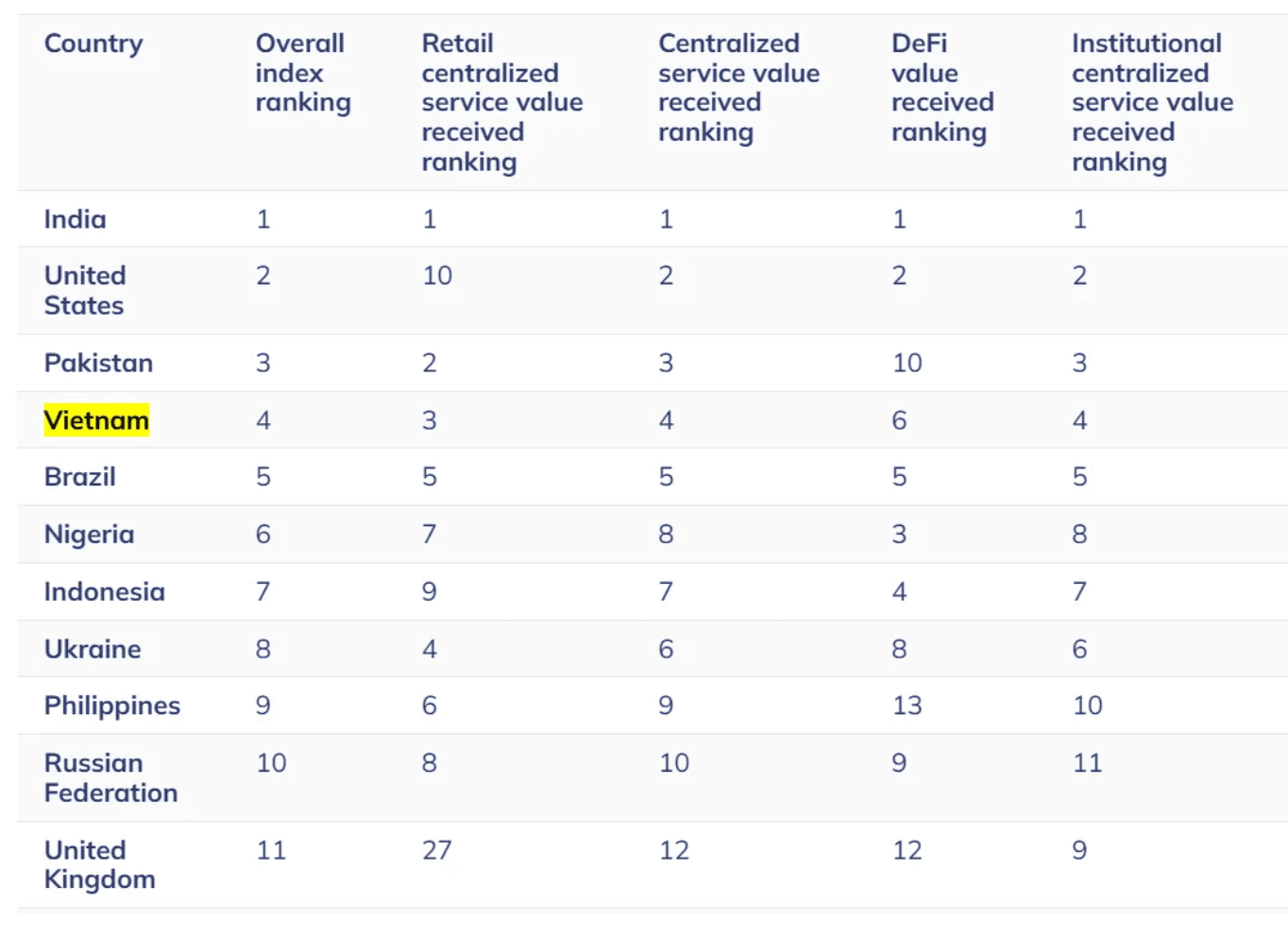
Vietnam’s Ministry of Finance recently proposed amendments to the Law on Support for Small and Medium-Sized Enterprises. The draft would allow SMEs to include digital assets, virtual assets, and intellectual property within the scope of eligible collateral for bank loans. The policy aims to address structural financing barriers faced by Vietnam’s large SME sector. Although SMEs account for more than 98% of all enterprises in Vietnam, they represent only around 20% of total bank credit. A major reason is that the traditional financial system relies heavily on fixed-asset collateral. This makes it difficult for startups that lack land or physical assets, but hold valuable software and patents, to obtain funding. The draft encourages credit institutions to expand loan assessment models based on credit ratings, business plans, and cash flow. It also includes incentives for green and sustainable business projects. As one of the world’s leading countries in crypto asset adoption, Vietnam’s move shows that regulators are attempting to bring digital assets into the formal financial framework. If the amendment is passed and implemented, it could provide technology and digital businesses with more flexible access to financing.
Global cryptocurrency adoption index. Source: Chainalysis
New York Court Accepts Lawsuit Over USD 274 Billion In Dormant Bitcoin Addresses
The New York State Supreme Court recently accepted a high-profile lawsuit involving the ownership of roughly 39,069 dormant Bitcoin addresses. These addresses hold more than 3.7 million BTC, worth up to USD 274 billion at current market prices. The assets also include addresses classified as belonging to Bitcoin creator Satoshi Nakamoto. The plaintiffs cited New York’s abandoned property law and are seeking a declaratory judgment that recognizes their legal ownership of these long-dormant crypto assets. They argue that Bitcoin should be treated as lost property and that they have the right to claim it after discovery. Although the plaintiffs have taken legal action and attempted to send abandonment notices through technical methods, legal analysts note that even a favorable court ruling would only have declaratory legal effect. It would not solve the core technical issue of obtaining private keys. It would also not allow the plaintiffs to directly transfer or control the assets. The key significance of the case lies in the potential creation of a title-defect effect. If these dormant assets are ever moved into regulated trading or custody venues, the plaintiffs could use the legal filing as a basis to raise objections with relevant institutions. This may create restrictions around the potential circulation of these massive holdings.
Bitcoin’s June Seasonal Window And Market Turning Point Analysis
According to a recent market analysis by BIT, Bitcoin is entering a seasonal window that has historically produced weaker returns. Bitcoin has remained volatile so far this year, while data from the past decade shows that June has delivered an average return of only +0.7%. This has traditionally made June a consolidation-heavy period for the market. However, the analysis notes that this year’s market structure may not fully follow historical patterns. Although Bitcoin’s May performance was below its historical average, the probability of a seasonal reversal is now rising. The market is closely watching several key catalysts that are expected to launch soon. These include regulated crypto perpetual futures products in the United States and NasdaqCME crypto index futures scheduled for launch on June 8. Improvements in this financial infrastructure could bring new liquidity and buying support to the market. Macro pressure remains in place, but from a tactical perspective, Bitcoin’s current price action suggests that it may be approaching a short-term bottom. If the market absorbs seasonal selling pressure and receives support from new financial instruments, Bitcoin may look for a rebound opportunity within its broader consolidation range.
Bitcoin Spot ETFs Recorded USD 1.42 Billion In Net Outflows Last Week
According to the latest data from SoSoValue, the Bitcoin spot ETF market experienced significant selling pressure during last week’s trading period. Total net outflows reached USD 1.42 billion, marking the third-highest weekly outflow since these products were launched. By product, BlackRock’s IBIT saw the largest single-product outflow last week, with net outflows of USD 966 million. Its historical total net outflow was adjusted to USD 63.81 billion. Grayscale’s GBTC followed with weekly net outflows of about USD 175 million, bringing its cumulative historical net outflow to USD 26.62 billion. As of the time of reporting, the total net asset value of Bitcoin spot ETFs stood at around USD 94.17 billion. Their net asset ratio, measured as a share of Bitcoin’s total market capitalization, was 6.38%. Historical cumulative net inflows remained at USD 55.66 billion. These figures show that institutional investors have adopted a more conservative capital allocation approach in response to macroeconomic uncertainty and market volatility. By redeeming positions, they are reducing short-term exposure risk. This trend has added a degree of pressure to short-term price support in the crypto spot market.
Disclaimer: The information provided in this section is for informational purposes only and doesn't represent any investment advice or FameEX's official view.