FameEX Today’s Crypto News Recap | November 17, 2026
2026-11-17 07:05:22

Evernorth marks XRP down 60%, Nvidia reportedly rules out Jensen Huang, and Grayscale says stablecoin outflows and AI weakness hurt crypto as BTC is near $65K. The cryptocurrency market continued to experience sharp volatility following the previous week's selloff. Bitcoin (BTC) and Ethereum (ETH) staged modest recoveries after steep declines over the weekend, but both remained near recent lows. BTC traded around $65K, while ETH stood near $1,838. The two assets were down approximately 12% and 10%, respectively, over the past week. BTC has since consolidated near $65K, although price swings remain pronounced following the recent selloff. According to Wintermute's market report, BTC fell 12.7% over the previous week and dropped below its 200-week moving average near $68K. This has kept its medium- to long-term price structure under pressure. In terms of capital flows, US spot Bitcoin ETFs have recorded approximately USD 1.9 billion in net outflows so far in 2026. This marks a sharp contrast to the inflows recorded over the previous two years. Total stablecoin supply also declined by USD 14 billion to USD 16 billion over the past 30 days. The derivatives market saw significant deleveraging as Wintermute reported approximately USD 1.7 billion in liquidations over a 24-hour period during the weekend. Long positions accounted for roughly 80% of the total. For ETH, CoinGlass liquidation estimates suggest that a drop below $1,742 could bring cumulative long liquidation exposure on major centralized exchanges to USD 780 million. A move above $1,924 could result in approximately USD 552 million in cumulative short liquidation exposure. These figures represent estimates under specific price scenarios rather than liquidations that have already occurred. Separately, Castle Labs reported that crypto protocols generated approximately USD 13.7 billion in revenue over the past 12 months. However, most of that revenue was concentrated among a small group of leading protocols, and revenue growth has not necessarily translated into stronger token performance. Market sentiment remained weak, with the Fear and Greed Index at 12, indicating Extreme Fear. Overall, spot ETF flows, changes in stablecoin supply, and leverage adjustments in derivatives markets remain important indicators for assessing the trading structure of BTC and ETH.
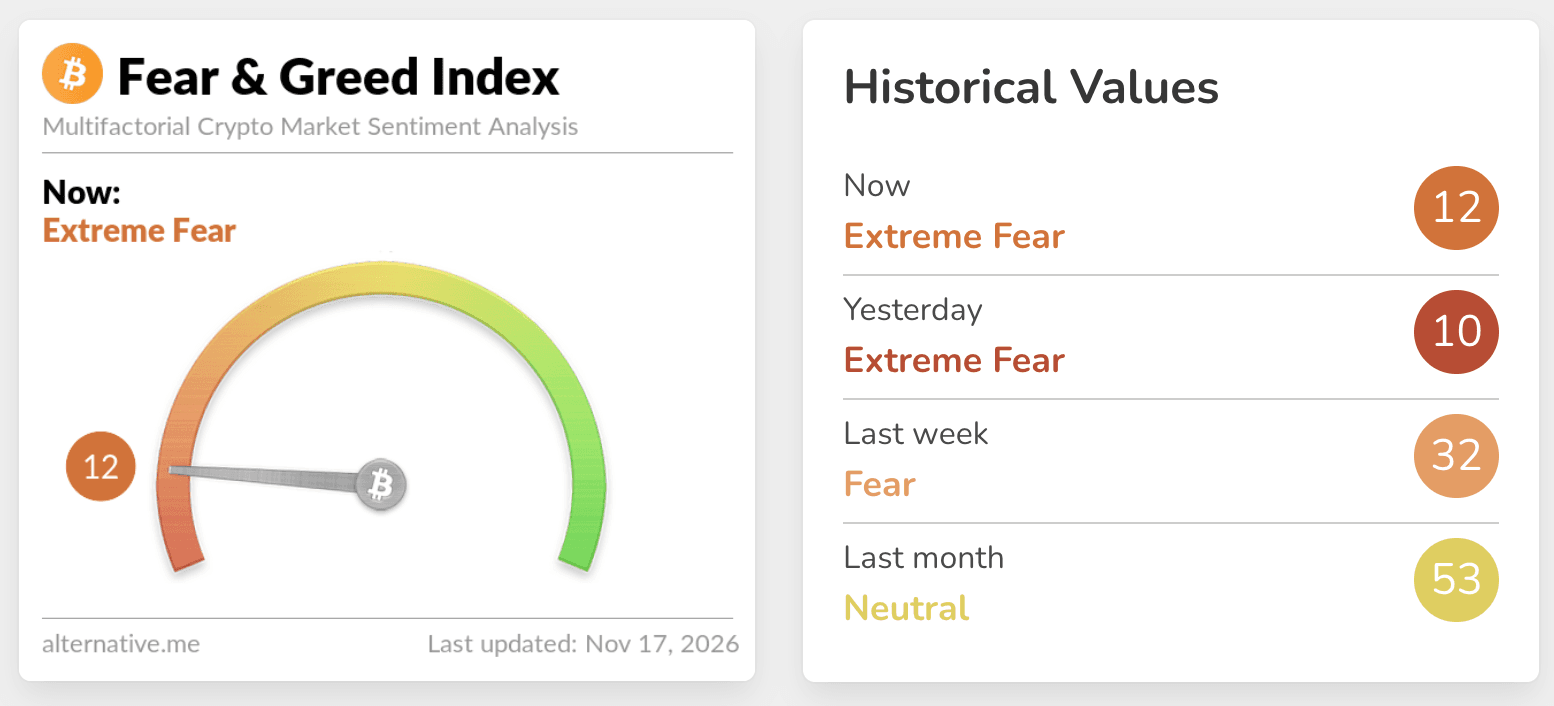
Source: Alternative
Key News Highlights:
Evernorth Records Nearly 60% in XRP Impairments as Book Value Falls to USD 342 Million
Evernorth, an XRP treasury company backed by Ripple, disclosed its latest financial results showing cumulative impairment charges of approximately USD 505 million on its pre-listing XRP holdings. The write-downs represent nearly 60% of the assets' original recorded value. According to a financial filing submitted on November 13, Evernorth held approximately 346 million XRP as of the end of September 2026. The holdings had an original recorded value of USD 847 million, equivalent to an average cost of approximately $2.44 per token. Following multiple impairment charges, their carrying value fell to around USD 342 million, or approximately $0.99 per XRP. The company recognized about USD 271 million in impairments during the first nine months of 2026, in addition to USD 234 million recorded in 2025. This brought cumulative impairments to USD 505 million. Importantly, the reduced carrying value does not necessarily reflect XRP's market price on a particular date. Evernorth's accounting approach requires impairment charges based on lower prices observed during the holding period. The company explained that its continuing related-party relationship with Ripple for accounting purposes makes its XRP holdings ineligible for the newer fair value accounting rules for crypto assets. As a result, Evernorth must continue valuing these holdings at their original cost less cumulative impairments. Under this policy, a subsequent recovery in XRP's market price would not reverse previously recognized impairments. Any gains would only be recognized when the assets are sold. The financial report also showed that Evernorth recorded a net loss of approximately USD 33 million during the first nine months of 2026. A noncash gain of roughly USD 240 million partially offset the impact of the impairment charges on its financial results. The company also disclosed yield-generating arrangements involving a portion of its XRP assets but did not specify the amount deployed or the scale of those activities. The filing provides further insight into Evernorth's XRP holdings, impairment accounting, and financial reporting requirements for publicly listed companies holding substantial cryptocurrency reserves.
NVIDIA Shares Fall Over 4% as Board Reportedly Declines to Consider Jensen Huang's Return as CEO
NVIDIA shares fell more than 4% during US trading as investors continued to monitor the company's leadership transition following co-founder Jensen Huang's resignation as CEO. According to NVIDIA's official announcement on November 12, Huang stepped down as president, CEO, and board member. Former chief financial officer Colette Kress was appointed interim CEO while the board began a formal search for a permanent successor. Reuters and CNBC cited people familiar with the matter who said NVIDIA's board was not discussing Huang's reinstatement as CEO. Instead, the board remained focused on an investigation into his conduct and related security concerns. The reports emerged amid growing public calls for Huang's return. A petition titled Stand With Jensen has attracted more than 180,000 supporters. Several technology industry executives and investors have also publicly supported the campaign. Some participants identified themselves as NVIDIA employees or shareholders, although not all of these claims have been independently verified. US President Donald Trump addressed the matter on November 16 and said he would not oppose Huang's return as NVIDIA's CEO. He also acknowledged that many people wanted to see Huang reinstated. Meanwhile, NVIDIA's board has launched an independent investigation into the allegations and potential security concerns. The claims reported by the media remain subject to further examination and should not be treated as established findings. Colette Kress continues to serve as interim CEO, while the company has yet to announce a permanent successor or the results of the investigation. With NVIDIA's quarterly earnings announcement approaching, investors are monitoring both its artificial intelligence business performance and developments in corporate governance. The board's decisions and leadership transition remain under scrutiny as NVIDIA's management changes continue to draw attention across the technology sector.
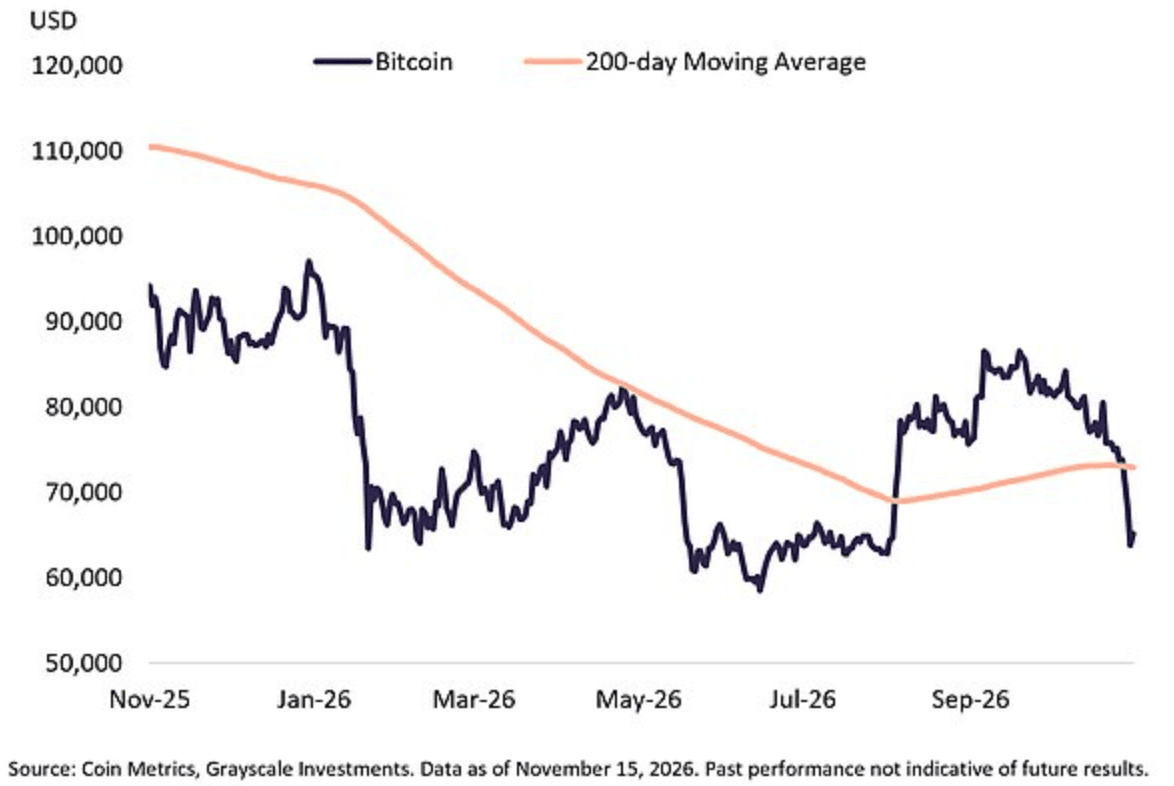
Grayscale Identifies Stablecoin Outflows and Weakness in AI Stocks as Key Drivers of the Recent Crypto Selloff
Grayscale's Head of Research, Zach Pandl, published a market report examining the sharp decline in cryptocurrency prices during the first half of November. The research identified stablecoin outflows and weakness in artificial intelligence-related stocks as two important factors behind the recent downturn. According to Grayscale's official research, Bitcoin fell approximately 17% during the first two weeks of November and briefly reached around $64K. Its market-cap-weighted Crypto Sectors Index declined roughly 18% over the same period. BTC and Solana (SOL) were among the weakest performers on a volatility-adjusted basis across the 20 largest cryptocurrencies by market capitalization. The report emphasized that the market decline was not driven by a single event but reflected a combination of capital flows and broader market developments. First, some investors converted stablecoins into fiat currencies amid growing concerns about the security of funds held on cryptocurrency trading platforms and other services. The research highlighted that USDC supply began declining in early October, while USDT briefly traded below $1. Overall stablecoin supply subsequently contracted further. Second, pressure on NVIDIA and other AI-related stocks may have prompted growth-oriented investment portfolios to reduce their risk exposure. These portfolios often hold both technology equities and digital assets. Grayscale also noted that AI and blockchain increasingly share computing and energy infrastructure. For example, some Bitcoin mining companies also provide computing services to the AI industry. As a result, developments in technology equities may have broader implications for cryptocurrency markets. Bitcoin's decline below its 200-day moving average on November 12 may have triggered selling by trend-following strategies and contributed to liquidations of leveraged perpetual futures positions. The report also suggested that selling pressure was amplified by thinner order book liquidity during the weekend. Outflows from crypto exchange-traded products may have added further pressure to prices, although they were not considered the sole driver of the downturn.
US CFTC Approves Blockchain-Based Derivatives Trading and Clearing Under Existing Regulatory Framework
The US Commodity Futures Trading Commission (CFTC) approved a blockchain-based financial firm for designation as a Designated Contract Market (DCM) and registration as a Derivatives Clearing Organization (DCO). The approval allows the firm to provide derivatives trading and clearing services within the US regulated market framework. According to information released by the CFTC, the authorization covers derivatives trade execution, contract clearing, and settlement infrastructure. The firm will use blockchain technology to support certain core market operations. The approved clearing activities include margined futures as well as fully collateralized futures, options on futures, and swaps. All activities remain subject to the conditions specified in the regulatory approval. A DCM is a regulated marketplace for trading derivatives contracts, while a DCO is responsible for clearing and settlement arrangements. These two regulatory designations cover different stages of derivatives market operations. CFTC Chairman Michael Selig issued a statement on the same day explaining that the approval demonstrates how blockchain technology can be incorporated into market infrastructure under existing US derivatives regulations. He emphasized that the Commodity Exchange Act establishes core regulatory principles for trading venues and clearing organizations without requiring the use of any particular technological architecture. Financial institutions adopting blockchain or other emerging technologies must therefore meet the same regulatory standards as those operating traditional market infrastructure. These requirements include anti-money laundering controls, customer asset protection and segregation, market surveillance, capital requirements, risk management, and system security safeguards. The CFTC also acknowledged that blockchain-based infrastructure may present unique technical and operational challenges. Regulators must continue to assess these issues under applicable laws and regulatory requirements. The approval does not exempt blockchain-based financial services from existing regulatory obligations. Instead, it confirms that eligible firms can operate within the established registration and approval framework. This regulatory decision provides greater clarity on how blockchain-based derivatives trading and clearing infrastructure can operate within the US financial market.
Disclaimer: The information provided in this section is for informational purposes only and doesn't represent any investment advice or FameEX's official view.